Elevate your salad game with this stunning and flavorful Beet, Spinach, Cashew, and Goat Cheese Salad! This video shows you how to combine earthy beets, fresh spinach, crunchy cashews, and tangy goat cheese into a powerhouse of taste and nutrition. Perfect for a light lunch, a sophisticated side dish, or a healthy meal prep option. So easy to make and absolutely delicious!
Title: 💜 Healthy & Delicious Beet, Spinach, Cashew & Goat Cheese Salad! Description: Elevate your salad game with this stunning and flavorful Beet, Spinach, Cashew, and Goat Cheese Salad! This video shows you how to combine earthy beets, fresh spinach, crunchy cashews, and tangy goat cheese into a powerhouse of taste and nutrition. Perfect for a light lunch, a sophisticated side dish, or a healthy meal prep option. So easy to make and absolutely delicious! SEO Keywords (5): Beet Goat Cheese Salad Spinach Cashew Salad Healthy Salad Recipe Easy Gourmet Salad Nutrient-Rich Salad Hashtags (5): BeetSalad GoatCheeseSalad SpinachSalad HealthyEating EasyRecipe
Description: Warm up with this incredibly delicious and easy Miso Momo Dumpling Soup! This video shows you how to combine savory miso, aromatic red curry paste, and tender Momo dumplings for the ultimate comfort food experience. Perfect for a cozy night in, this soup is packed with flavor from garlic, shallots, scallions, and a hint of spice. Learn to make this restaurant-quality dish at home in no time!
Title: 🌶️ Comforting Miso Momo Dumpling Soup – Easy & Flavorful! Description: Warm up with this incredibly delicious and easy Miso Momo Dumpling Soup! This video shows you how to combine savory miso, aromatic red curry paste, and tender Momo dumplings for the ultimate comfort food experience. Perfect for a cozy night in, this soup is packed with flavor from garlic, shallots, scallions, and a hint of spice. Learn to make this restaurant-quality dish at home in no time! SEO Keywords (5): Miso Soup Recipe Momo Dumplings Dumpling Soup Easy Asian Soup Comfort Food Recipe Hashtags (5): MisoSoup MomoDumplings DumplingSoup EasyRecipe ComfortFood 👉 FOLLOW Nepastery.com for more content like this.
Ever wondered if it’s safe to eat cooked rice after it’s been in the fridge for a day? This video dives deep into the science behind Bacillus cereus and cooked rice, exploring the risks and providing expert guidelines for safe storage, cooling, and reheating. Learn how to prevent food poisoning and keep your family safe! #CookedRice #FoodSafety #BacillusCereus #FoodPoisoning #Refrigeration
Okay, let’s dive into the scientific evidence regarding consuming cooked rice after 24 hours, even when refrigerated. This is a crucial food safety topic.
The Primary Risk: Bacillus cereus Spore Germination and Toxin Production
The main concern with cooked rice (and some other starchy foods) is the potential for Bacillus cereus to grow and produce toxins. Here’s the process:
Spores Survive Cooking:Bacillus cereus is a common bacterium found in the environment (including raw rice). Cooking kills the vegetative (actively growing) bacteria, but the spores are often heat-resistant and can survive.
Spore Germination and Growth: When cooked rice is left at room temperature, the spores can germinate and the bacteria can multiply. This is most rapid between 40°F (4°C) and 140°F (60°C).
Toxin Production: As Bacillus cereus multiplies, it produces toxins (cereulide and emetic toxin). These toxins are heat-stable, meaning they won’t be destroyed by reheating.
Illness: Consuming food containing these toxins can cause two main types of illness:
Emetic Syndrome: Primarily characterized by nausea and vomiting, typically starting within 30 minutes to 6 hours after eating contaminated food.
Diarrheal Syndrome: Primarily characterized by abdominal cramps and diarrhea, typically starting within 6 to 15 hours after eating contaminated food.
Scientific Evidence and Studies:
EFSA (European Food Safety Authority) Opinion: EFSA has published scientific opinions on Bacillus cereus in foodstuffs. They highlight that:
Bacillus cereus is frequently detected in cooked rice.
The emetic toxin (cereulide) is particularly concerning because it’s heat-stable and can survive even after cooking or reheating.
Rapid cooling and proper storage are crucial to minimize the risk of toxin production.
UK Food Standards Agency (FSA): The FSA provides guidance on storing cooked rice, emphasizing the importance of rapid cooling and consuming it quickly. Their advice is based on scientific risk assessments.
CDC (Centers for Disease Control and Prevention): The CDC lists Bacillus cereus as a cause of foodborne illness. They provide information on the symptoms, sources, and prevention of Bacillus cereus infections.
Published Research Studies: Numerous research studies have investigated the growth and toxin production of Bacillus cereus in cooked rice under various conditions (temperature, storage time, etc.). These studies consistently show that:
Bacillus cereus can grow rapidly in cooked rice left at room temperature.
Refrigeration can slow down but not completely prevent the growth of Bacillus cereus.
Toxin production is dependent on the strain of Bacillus cereus, the temperature, and the duration of storage.
Examples of Research Findings:
A study published in the “International Journal of Food Microbiology” found that the emetic toxin cereulide could be produced in cooked rice stored at room temperature for as little as 6 hours.
A separate study in the “Journal of Food Protection” investigated the effect of refrigeration on the growth of Bacillus cereus in cooked rice. The results showed that refrigeration (4°C) significantly slowed down bacterial growth, but did not completely inhibit it.
Key Takeaways from the Scientific Evidence:
Time and Temperature are Critical: The longer cooked rice is left at room temperature, the greater the risk of Bacillus cereus growth and toxin production.
Refrigeration Helps, But Is Not a Guarantee: Refrigeration slows down bacterial growth, but it doesn’t eliminate the risk. Spores can still germinate and some toxin production can still occur, albeit at a slower rate.
Reheating Doesn’t Eliminate the Risk: Because the toxins are heat-stable, reheating the rice won’t make it safe to eat if toxins have already formed.
Guidelines for Safe Handling of Cooked Rice:
Based on the scientific evidence, here are the recommended guidelines for safe handling of cooked rice to minimize the risk of Bacillus cereus food poisoning:
Serve Rice As Soon As Possible After Cooking: Don’t let cooked rice sit at room temperature for extended periods.
Cool Quickly: If you’re not serving the rice immediately, cool it down as quickly as possible (ideally within 1 hour). Spread the rice out in a shallow container to allow for faster cooling.
Refrigerate Promptly: Store the cooled rice in the refrigerator at 40°F (4°C) or below.
Limit Storage Time: Consume the refrigerated rice within one day (24 hours). While some guidelines suggest a slightly longer period, the scientific evidence indicates that the risk increases significantly after 24 hours.
Reheat Thoroughly: When reheating, ensure the rice is heated thoroughly to a high temperature (at least 165°F or 74°C) to kill any bacteria that may have grown during refrigeration (although this won’t destroy existing toxins).
Do Not Reheat More Than Once: Reheating rice multiple times can further increase the risk of bacterial growth.
Discard If in Doubt: If you’re unsure how long the rice has been sitting out or if it hasn’t been stored properly, it’s best to discard it.
Contradictory Information and “Rules of Thumb”:
You might find conflicting information online regarding the safe storage time for cooked rice (e.g., some sources saying 2-3 days). However, it’s crucial to rely on the most scientifically sound and conservative guidelines to minimize the risk of food poisoning. The “24-hour rule” is the most cautious approach.
Disclaimer: This information is for educational purposes only and should not be considered medical advice. If you experience symptoms of food poisoning after eating cooked rice, seek medical attention.
Cooked Rice Safety: Is 24-Hour Refrigeration Enough? [ Ever wondered if it’s safe to eat cooked rice after it’s been in the fridge for a day? This video dives deep into the science behind Bacillus cereus and cooked rice, exploring the risks and providing expert guidelines for safe storage, cooling, and reheating. Learn how to prevent food poisoning and keep your family safe! ] [ CookedRice FoodSafety BacillusCereus FoodPoisoning Refrigeration }
Serene Valley of ADUs and Buddha: A Vision for Peaceful Retirement
Imagine a world where the serenity of the Himalayas meets sustainable, modern living. This breathtaking image captures that vision, blending the awe-inspiring power of nature with human ingenuity and spiritual presence. Picture a lush green valley, fed by a crystal-clear river flowing beneath a futuristic, gracefully arched bridge. This is a land where tradition meets innovation.
In the foreground, a vibrant vegetable garden bursts with life, a testament to the region’s fertile land and the self-sufficiency of its inhabitants. Nestled amidst this verdant landscape are charming, single-story homes – modern two-bedroom accessory dwelling units (ADUs) thoughtfully designed for senior citizens. These aren’t just houses; they’re havens of comfort and independence, seamlessly integrated into the surrounding natural beauty. You will find yourself asking “How does this balance exist in our world?”
Look beyond the homes, and you will be greeted with a familiar sight. The majestic, snow-covered peak of Machapuchare rises proudly in the background, a reminder of the enduring power and timelessness of the natural world. And towering above it all, in a breathtaking display of spiritual grace, a colossal 30,000-foot tall golden Shakyamuni Buddha meditates peacefully. His serene presence casts a benevolent light upon the valley, symbolizing peace, enlightenment, and the interconnectedness of all things.
This image invites us to consider how we can build a future that embraces both technological advancement and spiritual well-being. It explores the concept of sustainability. It makes us challenge our assumptions regarding spiritual development. This shows our ability to live in harmony with the environment. This is not a question of either-or, but a vision of a thriving society that honors its past while embracing a brighter tomorrow.
Observe this, and ask questions of your existence.
What kind of message is this work bringing you?
Does it evoke a sense of hope?
Does it trigger a memory?
This image prompts a consideration of how ADUs and senior living can be incorporated into the most beautiful landscapes in the world. From that meditation, the idea of Nepastery was born.
KWATI is a traditional Newari soup made with black beans, lentils, and spices. It’s an essential part of Newari cuisine, often served during special occasions and festivals. This hearty and flavorful soup is known for its unique aroma and warming properties, making it a comforting dish enjoyed by people of all ages. The rich history and cultural significance of KWATI makes it a true culinary treasure.
How KWATI Works
Preparation
KWATI is prepared using a blend of black beans, lentils, and various spices, including ginger, garlic, cumin, coriander, and turmeric. These ingredients are carefully cooked together until they soften and release their flavors, resulting in a rich and aromatic broth.
Simmering
The mixture is then simmered for several hours, allowing the flavors to meld and the broth to thicken. This slow cooking process is crucial to extracting the maximum flavor from the ingredients and creating the unique texture of KWATI. The slow simmering process also enhances the nutritional value of the dish.
Finishing Touches
Once the broth has thickened, the KWATI is seasoned with fresh herbs like cilantro and chives. A dash of lemon juice or vinegar is added to brighten the flavors and create a refreshing acidity. The result is a flavorful and aromatic soup that is ready to be enjoyed.
Benefits of KWATI
Nutritional Value
KWATI is packed with essential nutrients, including protein, fiber, vitamins, and minerals. It is a good source of iron, which is important for red blood cell production and energy levels.
Digestive Health
The high fiber content in KWATI aids in digestion and promotes a healthy gut. This helps to prevent constipation and regulate bowel movements.
Antioxidant Properties
The spices used in KWATI, such as ginger, garlic, and turmeric, have powerful antioxidant properties that can help protect the body from cell damage and reduce inflammation.
Cultural Significance
KWATI is a symbol of Newari culture and tradition. It is a dish that is passed down through generations and is often prepared during special occasions and festivals. The consumption of KWATI reinforces the bond and traditions of the Newari community.
KWATI Use Cases
Breakfast
KWATI is often enjoyed as a hearty and filling breakfast. It provides sustained energy and can help to keep you full until lunchtime. It’s often paired with rice, steamed vegetables, and a variety of chutneys.
Lunch
KWATI can also be enjoyed as a light lunch. The warm broth and flavorful ingredients make it a comforting and satisfying meal option. It is often served with fresh roti or rice and side dishes like pickles and chutneys.
Special Occasions
KWATI is often prepared for special occasions and festivals. It is considered a celebratory dish that brings people together. During festivals, it’s often served with a variety of traditional Newari dishes.
Everyday Meal
KWATI is a versatile dish that can be enjoyed any time of the day. Its simple ingredients and easy preparation make it a great option for everyday meals. It can be served with a variety of accompaniments, depending on your preferences and dietary needs.
Getting Started with KWATI
Gather Ingredients
Gather the necessary ingredients, including black beans, lentils, ginger, garlic, cumin, coriander, turmeric, cilantro, chives, lemon juice, and vinegar.
Prepare Ingredients
Wash and soak the black beans and lentils in water overnight. This will help them cook faster and become more tender. Chop the ginger, garlic, and fresh herbs.
Cook and Simmer
Add the soaked beans, lentils, and spices to a pot with water. Bring to a boil, then reduce heat and simmer for several hours until the beans and lentils are soft and the broth has thickened.
Season and Serve
Add the chopped cilantro, chives, lemon juice or vinegar, and salt to taste. Serve hot and enjoy.
KWATI: The Newari Cuisine Staple #kwati #newar #Newari #nepal #nepali
Many of you have asked which AI software applications we are utilizing. We currently use Gamma.app for content creation and Play.ht for text-to-speech (TTS).
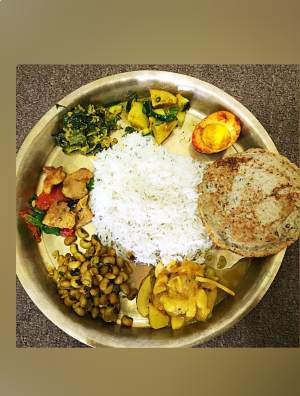
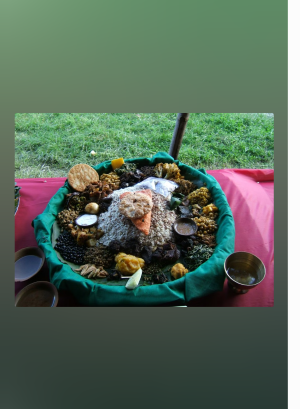
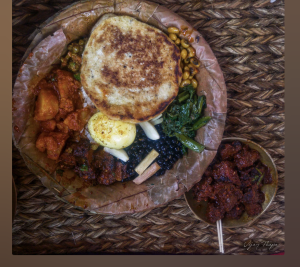
Samay Baji, a cornerstone of Newari cuisine, is more than just a meal—it’s a cultural experience that embodies the rich heritage of the Newar community in Nepal. This traditional feast is a harmonious blend of flavors, textures, and culinary artistry that has been passed down through generations. As we delve into the world of Samay Baji, prepare to embark on a gastronomic journey that will not only tantalize your taste buds but also provide insight into the heart of Newari culture and traditions.
The Essential Components of Samay Baji
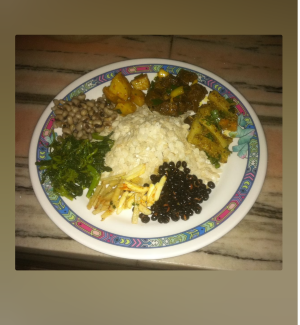
Baji (Beaten Rice)
The foundation of Samay Baji, beaten rice is a crispy, flattened rice that serves as the base for the other components. Its light texture and neutral flavor make it the perfect canvas for the rich flavors that accompany it.
Bhuti (Black Soybeans)
These roasted black soybeans add a crunchy texture and nutty flavor to the dish. They’re not only delicious but also packed with protein and essential nutrients.
Woh (Lentil Pancake)
A savory pancake made from black lentils, woh is crispy on the outside and soft on the inside. It’s often seasoned with ginger, garlic, and cumin, adding depth to the overall flavor profile.
The Art of Preparing Samay Baji
Preparation of Ingredients
The process begins with the careful selection and preparation of each component. Fresh ingredients are sourced, and items like black soybeans are roasted to perfection.
Cooking Individual Elements
Each element is cooked separately, with attention to traditional techniques. The woh is carefully fried, while meats are marinated and grilled to enhance their flavors.
Assembling the Platter
The final step involves artfully arranging all components on a traditional brass or banana leaf platter, creating a visually appealing and balanced presentation.
Cultural Significance of Samay Baji
Festive Celebrations
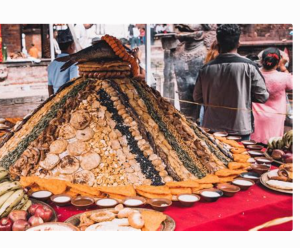
Samay Baji is an integral part of Newari festivals and ceremonies, symbolizing abundance and prosperity. It’s often served during important life events such as weddings, birthdays, and religious ceremonies.
Community Bonding
The shared experience of enjoying Samay Baji fosters a sense of community and togetherness among the Newari people, strengthening social bonds and preserving cultural identity.
Culinary Heritage
As a dish that has been passed down through generations, Samay Baji represents the rich culinary heritage of the Newari people, showcasing their creativity and resourcefulness in using local ingredients.
Health Benefits of Samay Baji
Component Health Benefit
Beaten Rice Low in fat, easily digestible, good source of carbohydrates
Black Soybeans High in protein, fiber, and antioxidants
Lentil Pancake Rich in plant-based protein and dietary fiber
Spices Anti-inflammatory properties, aid digestion
Variations and Regional Adaptations
Kathmandu Valley Style
In the heart of Nepal, Samay Baji often includes buffalo meat and is served with a side of aila (traditional rice wine). The platter is more elaborate, reflecting the urban influence.
Bhaktapur Variation
Known for its unique twist, Bhaktapur’s version often includes bara (black lentil patties) and may feature local specialties like juju dhau (sweet yogurt).
Patan’s Interpretation
Patan’s Samay Baji is noted for its inclusion of kwati (a mix of nine sprouted beans) during certain festivals, adding nutritional value and variety to the dish.
Modern Adaptations
Contemporary versions may include vegetarian or vegan options, catering to changing dietary preferences while maintaining the essence of the traditional dish.
Pairing Samay Baji with Traditional Beverages
Aila (Rice Wine)
This potent traditional rice wine complements the flavors of Samay Baji perfectly. Its slightly sweet and strong taste helps cleanse the palate between bites.
Thon (Millet Beer)
A fermented millet beer that offers a refreshing contrast to the rich flavors of the feast. Its slightly sour taste pairs well with the savory components of Samay Baji.
Masala Tea
For those preferring non-alcoholic options, a spiced masala tea provides a warming and aromatic accompaniment to the meal, aiding digestion and enhancing the overall dining experience.
Preserving the Legacy of Samay Baji
Education
Culinary schools and community centers are incorporating Samay Baji preparation into their curriculum, ensuring that the knowledge and techniques are passed on to future generations.
Documentation
Food historians and cultural preservationists are meticulously documenting the recipes, preparation methods, and cultural significance of Samay Baji to create a comprehensive record for future reference.
Innovation
While respecting tradition, chefs are exploring new ways to present and adapt Samay Baji for modern palates, ensuring its relevance in contemporary Nepali cuisine.
Global Recognition
Efforts are being made to promote Samay Baji internationally, showcasing it as a unique aspect of Nepali culture and cuisine, thereby ensuring its place in the global culinary landscape.
This was generated with the help of AI. This technology is new and constantly improving. Please verify the accuracy before sharing.
Samay Baji: The Quintessential Newari Feast
KEYWORDS: Samay Baji Newari Newar Baji Bhuti Woh Kathmandu Bhaktapur Patan Aila Thon Masala Nepali
This mango, cucumber, avocado, strawberry, and onion salad recipe is a keeper! It’s an easy and excellent salad seasoned with Tajin, salt, pepper, and a squeeze of lemon.
Ingredients:
– Ripe Mango – Persian Cucumber – Ripe Avocado – Strawberries – Red Onion – Tajin Seasoning, Salt, Crushed Red Pepper, Lime
This vibrant salad combines ripe mango, crisp Persian cucumber, creamy avocado, juicy strawberries, and zesty red onion for a refreshing dish. Each bite offers a harmonious blend of sweet, tangy, and savory flavors, creating a symphony for your taste buds. The colors pop like a painting on your plate, inviting you to indulge in the season’s freshest produce. This salad is a celebration of the season’s bounty, offering a delightful combination of textures and tastes that will leave you craving more. Enjoy the vibrant medley of ingredients that come together in perfect harmony, bringing a taste of sunshine to every forkful.
The scent of freshly made Pustakari drifts through the narrow streets, attracting locals and visitors alike. The sweet aroma of sugar bubbling with ghee and thickened milk (ricotta cheese) fills the air, creating a compelling temptation that is hard to resist. As vendors skillfully craft each piece, the rich flavors blend harmoniously, while the crunchy texture of coconut, dates, or nuts adds a delightful contrast. With every bite, a burst of sweetness dances on the taste buds, leaving a lingering essence of tradition and indulgence. In the bustling heart of Kathmandu Valley, Pustakari represents more than just candy—it symbolizes a cherished heritage passed down through generations, inviting everyone to savor a taste of Nepal’s culinary legacy.
Nestled in the heart of Nepal, Newari cuisine offers a tantalizing array of desserts that are as rich in flavor as they are in cultural significance. These sweet treats, passed down through generations, showcase the intricate balance of flavors and textures that define Newari culinary artistry. From the delicate sweetness of Lakhamari to the comforting warmth of Yomari, each dessert tells a story of tradition, celebration, and community. Join us on a mouthwatering journey through the world of authentic Newari desserts, where ancient recipes meet modern palates, and every bite is a testament to the enduring legacy of Newar culture.
Lakhamari: The Crown Jewel of Newari Sweets
Preparation
Begin by mixing flour, ghee, and sugar to create a rich, pliable dough. Let it rest for optimal texture.
Shaping
Skillfully shape the dough into intricate designs, often resembling flowers or geometric patterns.
Frying
Deep fry the shaped dough in ghee until golden brown, creating a crispy exterior and soft interior.
Garnishing
Drizzle with sugar syrup and optionally sprinkle with nuts for added flavor and texture.
Yomari: A Festive Delicacy
The Wrapper
Yomari’s outer layer is made from rice flour, steamed to perfection to create a soft, slightly chewy texture that encases the sweet filling.
The Filling
Traditional fillings include chaku (molasses) and khuwa (reduced milk solids), offering a rich, caramel-like sweetness that complements the rice wrapper.
Cultural Significance
Yomari is central to the Yomari Punhi festival, celebrating the end of the rice harvest and honoring the goddess of grain, Annapurna.
Juju Dhau: The King of Curds
Unique Ingredients
Made from buffalo milk, which gives it a distinctively rich and creamy texture unmatched by regular yogurt.
Traditional Preparation
Fermented in clay pots, which not only imparts a subtle earthy flavor but also helps maintain the ideal temperature for fermentation.
Cultural Importance
Often served during festivals and special occasions, symbolizing purity and auspiciousness in Newari culture.
Serving Suggestions
Typically enjoyed chilled, sometimes garnished with fruits or nuts for added texture and flavor complexity.
Puri: Crispy Pockets of Sweetness
Flour Base
Made with a mixture of all-purpose flour and semolina for the perfect crispy texture.
Sweet Filling
Stuffed with a delectable mixture of khoya (milk solids) and sugar, sometimes flavored with cardamom.
Deep Fried
Fried to golden perfection in ghee, creating a crispy exterior that contrasts beautifully with the soft, sweet interior.
Final Touch
Often dusted with powdered sugar for an extra touch of sweetness and visual appeal.
Dahi Chiura: A Simple Yet Satisfying Treat
Ingredient
Preparation
Cultural Significance
Dahi (Yogurt)
Homemade, creamy
Symbol of purity
Chiura (Beaten Rice)
Lightly roasted
Staple in Newari cuisine
Sugar or Honey
Added to taste
Natural sweetener
Fruits (Optional)
Fresh, seasonal
Adds nutritional value
Khuwa Puri: Milk-Based Delight
Rich Khuwa Filling
The star of this dessert is khuwa, milk solids cooked down to a thick, caramel-like consistency, offering a deeply satisfying sweetness.
Delicate Pastry Shell
The khuwa is encased in a thin, crispy pastry shell, creating a delightful textural contrast that makes each bite a joy.
Aromatic Spices
Often flavored with cardamom and sometimes garnished with pistachios or almonds, adding layers of flavor and aroma to the dessert.
Festive Favorite
Khuwa Puri is a popular choice during festivals and celebrations, symbolizing the sweetness of life and community bonds.
Dhau Puri: Yogurt-Filled Pastry Puffs
Prepare the Dough
Create a delicate pastry dough using all-purpose flour, ghee, and a pinch of salt. Let it rest to develop gluten for the perfect texture.
Make the Filling
Prepare a sweet yogurt filling by mixing thick, strained yogurt with sugar and cardamom powder for flavor.
Shape and Fill
Roll out small circles of dough, place a dollop of the yogurt mixture in the center, and carefully seal to create small pockets.
Fry to Perfection
Deep fry the filled pastries in hot oil until golden brown and crispy. Drain excess oil and serve warm for the best experience.
Chatamari: Sweet Variation of a Savory Classic
The Base
A thin, crispy rice flour crepe forms the foundation of this versatile dish, traditionally savory but delightful in its sweet incarnation.
Sweet Toppings
For the dessert version, the crepe is topped with a mixture of jaggery or sugar, fresh fruits like bananas or strawberries, and sometimes a drizzle of condensed milk.
Cultural Fusion
This sweet adaptation of Chatamari showcases the innovative spirit of Newari cuisine, blending traditional techniques with modern tastes.
Preserving Newari Dessert Traditions
Past
Newari desserts were closely guarded secrets, passed down orally within families and communities, ensuring the preservation of authentic flavors and techniques.
Present
Today, there’s a growing interest in documenting and sharing these recipes, with cookbooks and online resources making Newari desserts more accessible to a global audience.
Future
Efforts are being made to adapt traditional recipes for modern kitchens while maintaining their authenticity, ensuring that future generations can continue to enjoy and appreciate these culinary treasures.
This was generated with the help of AI. This technology is new and constantly improving. Please verify the accuracy before sharing.
 The Essential Components of Samay Baji
 The Art of Preparing Samay Baji
 Cultural Significance of Samay Baji
 Health Benefits of Samay Baji
 Variations and Regional Adaptations
 Pairing Samay Baji with Traditional Beverages