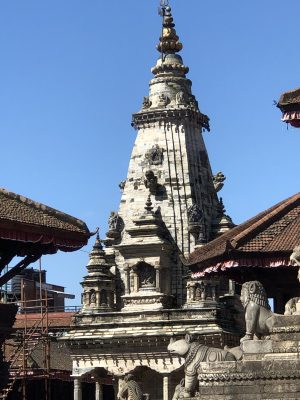
Category: Newar

Newar

  • Sankhu Vajrayogini Temple: A Spiritual Gem in Kathmandu

    Sankhu Vajrayogini Temple: A Spiritual Gem in Kathmandu

    Nestled in the picturesque town of Sankhu, just north of Kathmandu, lies the revered Sankhu Vajrayogini Temple. A powerful symbol of faith and devotion, this temple holds a significant place in the hearts of the Nepali people. Its history dates back centuries, with its origins shrouded in ancient legends and tales of divine intervention. As a promhttps://youtu.be/DdgpmcXKawginent pilgrimage site, it attracts devotees from across Nepal and beyond, seeking blessings, spiritual guidance, and a glimpse into the profound traditions of Buddhism. The temple’s architectural brilliance, intricate carvings, and serene atmosphere offer a sanctuary for contemplation and spiritual awakening.

    History and Significance

    Ancient Origins

    The temple’s origins can be traced back to the 8th century, during the reign of King Gunakamadeva. Legend states that a local shepherd discovered a self-manifested statue of Vajrayogini, the wrathful yet benevolent form of the Buddha, prompting the construction of the temple. It was believed to be a manifestation of the goddess, bringing protection and prosperity to the region.

    Medieval Expansion

    The temple underwent significant expansion and renovations during the medieval period, particularly under the patronage of the Malla kings, who adorned it with exquisite sculptures, intricate carvings, and vibrant murals. This era also witnessed the growth of its influence as a spiritual center, attracting renowned Buddhist scholars and practitioners.

    Modern Renewal

    In recent decades, the temple has witnessed a resurgence of interest, with devotees and tourists alike seeking solace, enlightenment, and a glimpse into the rich cultural heritage of Nepal. The temple’s unique architecture, the powerful presence of Vajrayogini, and its serene atmosphere continue to draw pilgrims from all walks of life.

    Architectural Marvels

    Main Shrine

    The temple’s main shrine is a masterpiece of traditional Nepali architecture, featuring a towering structure with a multi-tiered roof adorned with intricate carvings and gilded ornaments. Its majestic presence dominates the temple complex, serving as a visual testament to the devotion and skill of the artisans who created it.

    Courtyards and Prayer Wheels

    The temple complex is surrounded by serene courtyards, offering space for contemplation and devotion. These courtyards feature prayer wheels, cylindrical drums inscribed with sacred mantras, which devotees spin to accumulate positive karma and promote universal peace. The rhythmic sound of the wheels turning creates a harmonious atmosphere, inviting inner reflection.

    Decorative Motifs

    The temple walls and pillars are adorned with intricate carvings, depicting scenes from Buddhist mythology, the life of Buddha, and the teachings of Vajrayogini. These carvings are a testament to the artistry and craftsmanship of the Nepalese people, showcasing their deep understanding of Buddhist philosophy and aesthetics.

    Rituals and Practices

    Daily Rituals

    Every morning, monks and devotees perform a series of rituals, including the chanting of mantras, the offering of incense and flowers, and the spinning of prayer wheels. These rituals are believed to appease the deity, bring blessings, and cultivate inner peace.

    Special Occasions

    On special occasions, such as the anniversary of the temple’s founding or the birth of Buddha, the temple hosts grand celebrations with elaborate rituals, traditional dances, and offerings. These events are a testament to the deep cultural and spiritual significance of the temple.

    Meditation and Retreats

    The temple also serves as a center for meditation and retreats, offering opportunities for individuals to deepen their spiritual practice, gain insights into Buddhist philosophy, and experience the transformative power of mindfulness.

    Pilgrimage and Offerings

    Devotees from across Nepal and beyond make pilgrimages to the temple, offering prayers, prostrating themselves before the statue of Vajrayogini, and making offerings of incense, flowers, and food. These offerings are believed to appease the deity and bring good fortune.

    Devotional Offerings

    Incense

    Incense, often made from fragrant woods and herbs, is a common offering. The smoke is believed to purify the air and create a sacred atmosphere, transporting prayers to the heavens.

    Flowers

    Flowers, symbolizing beauty, purity, and reverence, are a significant offering. Their vibrant colors and sweet fragrance are believed to please the deity, representing offerings from the heart.

    Butter Lamps

    Butter lamps, fueled by yak butter, are lit to symbolize the awakening of wisdom and to illuminate the path to enlightenment. The flickering flames represent the impermanence of life, reminding devotees to cherish the present moment.

    Food and Sustenance

    Offerings of food, often consisting of fruits, sweets, or rice, are a way of expressing gratitude for the sustenance provided by the deity and to share with the less fortunate.

    Cultural Significance

    Cultural Heritage

    The Sankhu Vajrayogini Temple is not just a place of worship but also a symbol of Nepali cultural heritage. It serves as a repository of ancient traditions, beliefs, and practices, passed down through generations.

    Community Center

    The temple plays a vital role in the local community, serving as a gathering place for cultural events, religious festivals, and social gatherings. It fosters a sense of belonging and strengthens community bonds.

    Tourist Attraction

    The temple has become a major tourist attraction, drawing visitors from around the world who are fascinated by its architectural beauty, spiritual significance, and cultural richness. It provides a glimpse into the diverse heritage of Nepal.

    Art and Craftsmanship

    The temple’s intricate carvings, sculptures, and murals are a testament to the skill and artistry of the Nepalese people. They showcase the country’s rich artistic tradition and provide inspiration for contemporary artists.

    Visiting the Temple

    Getting There

    The temple is conveniently located in Sankhu, a town accessible by bus from Kathmandu. Visitors can take a local bus or taxi to reach the temple.

    Temple Hours

    The temple is open to visitors throughout the day, but specific prayer rituals and ceremonies may take place during certain hours. It is recommended to inquire about timings before visiting.

    Respectful Conduct

    Visitors should dress respectfully, covering their shoulders and knees. Shoes should be removed before entering the temple, and loud talking or inappropriate behavior should be avoided.

    Guided Tours

    For a deeper understanding of the temple’s history, rituals, and cultural significance, visitors can opt for a guided tour with a local expert.

    Preserving the Legacy

    Restoration and ConservationEfforts are underway to preserve the temple’s architectural heritage and maintain its cultural significance for future generations. This includes regular restoration work and conservation measures.
    Community InvolvementLocal communities play a crucial role in preserving the temple, contributing to its maintenance, promoting its cultural significance, and ensuring its continued role as a spiritual center.
    Sustainable TourismPromoting responsible and sustainable tourism is vital for safeguarding the temple’s integrity. This includes educating visitors about respectful behavior, minimizing environmental impact, and supporting local communities.
    Education and AwarenessRaising awareness about the temple’s history, cultural significance, and the importance of its preservation is crucial. Educational programs and initiatives can help foster a deeper appreciation for the temple’s legacy.
  • Kalbhairav Temple, Kathmandu: A Guardian of the City

    Kalbhairav Temple, Kathmandu: A Guardian of the City

    Nestled in the heart of Kathmandu, Nepal, the Kalbhairav Temple stands as a formidable guardian, both revered and feared. This ancient shrine, dedicated to the fierce manifestation of Lord Shiva, holds immense cultural and spiritual significance for the city and its inhabitants. Its imposing presence, adorned with intricate carvings and vibrant colors, attracts devotees and tourists alike, offering a glimpse into the rich history and religious tapestry of Nepal.

    History and Significance

    Ancient Origins

    The temple’s origins are shrouded in myth and legend, dating back centuries. It is believed to be associated with the ancient city of Kathmandu, which was known as “Kantipur,” meaning “City of Light.”

    Guardian Deity

    The deity Kalbhairav, a fierce manifestation of Lord Shiva, is considered a powerful protector, guarding the city from evil and misfortune. It is believed that his presence safeguards the city and its people.

    Religious Significance

    The Kalbhairav Temple holds immense significance for both Hindus and Buddhists, as Kalbhairav is revered by both communities. It is a popular place for worship and pilgrimage.

    Architecture and Design

    Structure

    The Kalbhairav Temple is a classic example of Nepalese architecture, showcasing a blend of traditional and religious elements. The temple’s structure features a square base with a pyramidal roof, adorned with intricate carvings and sculptures.

    Materials

    The temple is primarily constructed from stone and wood, with the intricate carvings crafted from wood and stone. The use of these materials reflects the traditional building techniques of the region.

    Symbolic Elements

    The temple’s design incorporates a variety of symbolic elements, such as the eyes of Kalbhairav, which are believed to be able to see everything. The temple’s intricate carvings and sculptures tell stories and legends from the Hindu mythology.

    Kalbhairav Deity and Rituals

    Fierce Form

    Kalbhairav, a fearsome and powerful form of Lord Shiva, is often depicted with a dark complexion, a fierce expression, and four arms. He is often associated with the wrath of God and the power to destroy evil.

    Rituals and Offerings

    Devotees offer various offerings to Kalbhairav, including flowers, incense, and red vermilion powder. They seek blessings and protection from misfortune and perform rituals such as circumambulation and chanting mantras.

    Significance of Offerings

    Offerings are believed to appease the deity and attract his blessings. The offerings also symbolize devotion and gratitude, acknowledging the power and presence of Kalbhairav in the city.

    Festivals and Celebrations

    Bhairav Jayanti

    This festival, celebrating the birth of Kalbhairav, is observed with great fervor in Kathmandu. The temple is adorned with colorful decorations, and devotees flock to the temple to seek blessings and perform rituals.

    Dashain

    During the major festival of Dashain, the temple is visited by devotees who seek protection from evil. It is a time of great spiritual significance and offerings to the deity are particularly important.

    Other Celebrations

    Various other celebrations are held at the temple throughout the year, each with its own unique rituals and offerings, making the temple a hub of religious activity in the city.

    Surrounding Temples and Shrines

    Taleju Temple

    Located nearby, the Taleju Temple is a magnificent pagoda-style temple dedicated to the goddess Taleju, a revered deity in Nepal. It is known for its intricate carvings and stunning architecture.

    Swayambhunath Stupa

    Also known as the “Monkey Temple,” Swayambhunath Stupa is a UNESCO World Heritage Site that sits atop a hill, offering breathtaking panoramic views of Kathmandu. It is a significant pilgrimage site for Buddhists.

    Pashupatinath Temple

    Located on the banks of the Bagmati River, Pashupatinath Temple is a UNESCO World Heritage Site and one of the most important Hindu temples in Nepal. It is dedicated to Lord Shiva and attracts devotees from around the world.

    Visiting the Temple

    Location

    The Kalbhairav Temple is located in the heart of Kathmandu, Nepal, in a bustling area known as “Basantapur Durbar Square,” which is easily accessible by public transportation or taxi.

    Opening Hours

    The temple is open daily to visitors and devotees. It is recommended to visit during the morning or evening hours to avoid the midday heat and crowds.

    Respectful Conduct

    Visitors are expected to behave respectfully within the temple premises, dress appropriately, and avoid loud conversations or disruptive behavior. It is important to show reverence for the deity and the temple.

    Cultural Experience

    Visiting the Kalbhairav Temple provides a unique opportunity to experience the vibrant culture and religious traditions of Kathmandu. It is a testament to the city’s rich history and spiritual heritage.

    Preservation and Conservation Efforts

    RestorationThe temple has undergone several restoration projects over the years to preserve its historical and architectural significance. These efforts aim to maintain its structural integrity and restore its beauty.
    ConservationConservation efforts focus on protecting the temple’s carvings, sculptures, and other artifacts from damage and deterioration. This includes regular cleaning, maintenance, and the use of protective coatings.
    Community InvolvementLocal communities are actively involved in the preservation and conservation efforts, recognizing the importance of preserving their cultural heritage for future generations. These efforts ensure the temple’s continued existence for generations to come.

    Cultural and Spiritual Importance

    Religious Center

    The Kalbhairav Temple serves as a significant religious center for both Hindus and Buddhists. It is a place where devotees come to seek blessings, offer prayers, and connect with their spirituality.

    Cultural Heritage

    The temple is an integral part of Kathmandu’s cultural heritage, showcasing the city’s rich history and traditions. It is a testament to the enduring influence of religion and spirituality in the region.

    Visiting Kalbhairav Temple: A Cultural Journey

    A visit to the Kalbhairav Temple offers a captivating journey into the heart of Kathmandu’s culture and spirituality. As you stand before the temple, marveling at its intricate carvings and the reverence of devotees, you’ll gain a deeper understanding of the city’s rich history and the enduring power of faith. Whether you’re seeking spiritual solace, cultural immersion, or simply a glimpse into the fascinating world of Nepalese traditions, the Kalbhairav Temple is a destination that will leave a lasting impression. It’s a testament to the enduring power of ancient traditions and the importance of preserving cultural heritage for generations to come.

  • Indra Jatra: The Festival of Lord Indra

    Indra Jatra: The Festival of Lord Indra

    Indra Jatra, also known as Yenya, is a vibrant and ancient festival celebrated in Kathmandu, Nepal, dedicated to Lord Indra, the king of the gods in Hindu mythology. This annual festival, taking place in the month of Bhadra (August/September) according to the Nepali calendar, is a time for cultural celebration, religious rituals, and community gatherings. It’s a spectacle of vibrant colors, enchanting music, and traditional dances that fill the streets of Kathmandu with an atmosphere of joy and festivity.

    History and Significance

    Origins

    The origins of Indra Jatra can be traced back to the ancient Licchavi period (4th to 9th centuries AD), with its roots in the worship of Indra, the rain god. The festival is believed to have started as a ritual to appease Indra and ensure a bountiful harvest. Over time, the celebration has evolved into a multifaceted cultural event.

    Religious Importance

    Indra Jatra holds significant religious importance in Nepal, particularly for the Newar community, as a time to honor and seek blessings from Lord Indra. The festival is also associated with the worship of Kumari, the living goddess, whose chariot is also pulled during the procession.

    Cultural Significance

    Indra Jatra is a key celebration of Newar culture, showcasing their rich traditions, vibrant art forms, and deep religious beliefs. The festival provides a platform for the community to come together, share their heritage, and express their cultural identity.

    The Three Chariots

    Indra’s Chariot

    The chariot of Lord Indra, the main deity of the festival, is the largest and most ornate. It is believed to have been built by the Newar artisans centuries ago. The chariot carries an image of Indra, often depicted riding an elephant, and is adorned with elaborate decorations, representing his divine power and authority.

    Bhairava’s Chariot

    Bhairava, a fierce and powerful deity, also has his own chariot in the procession. This chariot is smaller than Indra’s but equally impressive in its design and decoration. Bhairava is a protector deity, and his presence in the procession adds a sense of strength and guardianship.

    Ganesh’s Chariot

    Ganesh, the elephant-headed god of wisdom and prosperity, is represented by a smaller chariot. He is considered the remover of obstacles and is believed to bring blessings and good fortune. The chariot is often adorned with symbols representing his attributes and powers.

    The Chariot Procession

    Starting Point

    The chariot procession begins from the Hanuman Dhoka Palace, a historic landmark in Kathmandu. The chariots are pulled by ropes, with hundreds of people participating in this ritual.

    Route

    The chariots are pulled through the narrow streets of Kathmandu, following a specific route that leads to the heart of the city. This journey is a spectacle of color, music, and religious fervor.

    Destination

    The procession ends at the end of Indra Jatra, which culminates in the return of the chariots to their respective temples. The procession is a powerful symbol of community unity, religious devotion, and cultural heritage.

    Rituals and Traditions

    Pulling the Chariots

    The act of pulling the chariots is considered a sacred ritual. It requires the collective effort of hundreds of people, who pull the ropes with devotion and enthusiasm. This ritual symbolizes the community’s participation in the festival and their reverence for the deities.

    Cultural Performances

    During the procession, traditional dancers, musicians, and singers perform along the route, adding to the vibrant atmosphere of the festival. These performances showcase the rich artistic heritage of the Newar community and provide entertainment for the crowds.

    Offering Prayers

    People gather along the route to offer prayers and seek blessings from Lord Indra. They also pay homage to the other deities represented in the procession, seeking their grace and protection. The offerings include flowers, incense, and other traditional items.

    Feasting and Celebration

    Indra Jatra is also a time for feasting and celebration. People gather in their homes and communities to enjoy special dishes and traditional sweets. The festival is an occasion for social interaction and bonding, reinforcing community spirit.

    Mythological Significance

    Lord Indra

    Indra Jatra is primarily dedicated to Lord Indra, the king of the gods in Hindu mythology. He is known for his strength, power, and ability to control the rain. The festival is believed to be a way to honor Indra and seek his blessings for a prosperous year, particularly in terms of agriculture.

    Indra’s Descent

    According to mythology, Indra descends to Earth during Indra Jatra, bringing with him rain and fertility. This descent is symbolized by the pulling of the chariots through the city streets. The festival is a celebration of Indra’s presence on Earth and his blessings upon humanity.

    Cultural Importance

    Preservation of HeritageIndra Jatra is a living testament to the rich cultural heritage of the Newar community in Kathmandu. It showcases their traditions, art forms, and religious beliefs.
    Community UnityThe festival brings together people from all walks of life, fostering a sense of community and shared identity. The shared celebration strengthens social bonds and reinforces the importance of cultural preservation.
    Tourism and Cultural ExchangeIndra Jatra attracts tourists from all over the world, providing a glimpse into Nepali culture and traditions. The festival serves as a platform for cultural exchange and promotes understanding between different communities.

    Celebration and Community Involvement

    Music and Dance

    Traditional Newar music and dances play a vital role in Indra Jatra. The rhythms and melodies fill the air, adding to the festive atmosphere. The dances tell stories and express cultural narratives, captivating the audience and contributing to the festival’s artistic brilliance.

    Traditional Food

    Indra Jatra is a time for indulging in special dishes and traditional sweets. Families and communities gather to share meals, creating a sense of togetherness and celebration. These foods are often passed down through generations, representing the unique culinary heritage of the Newar community.

    Family and Community

    Indra Jatra is a festival that unites families and communities. People come together to participate in the processions, enjoy the performances, and celebrate the traditions. The festival fosters a sense of belonging and shared cultural identity.

    Joyful Festivities

    Indra Jatra is an energetic and joyful celebration. The colorful decorations, the rhythmic music, the vibrant dances, and the shared sense of community create an atmosphere of pure joy and festivity.

  • Hanuman Dhoka Durbar Square: A Glimpse into Kathmandu’s History

    Hanuman Dhoka Durbar Square: A Glimpse into Kathmandu’s History

    Hanuman Dhoka Durbar Square, located in the heart of Kathmandu, Nepal, is a captivating testament to the rich history and culture of the Kathmandu Valley. This ancient complex, once the seat of the Malla Kings and later the Shah dynasty, boasts a magnificent array of temples, courtyards, and palaces, offering a window into Nepal’s vibrant past. Hanuman Dhoka Durbar Square is a UNESCO World Heritage Site, renowned for its architectural splendor, religious significance, and captivating stories that echo through the ages.

    Historical Significance of Hanuman Dhoka Durbar Square

    Ancient Origins

    The history of Hanuman Dhoka Durbar Square dates back to the 15th century, when King Jayasthiti Malla established it as the seat of the Malla dynasty. During their reign, the square flourished as a center of political power, cultural exchange, and religious practices.

    The Rise of the Shah Dynasty

    In the 18th century, Prithvi Narayan Shah, the founder of the Shah dynasty, conquered Kathmandu and established the square as the capital of the unified Kingdom of Nepal. The Shah rulers further expanded and embellished the square, adding new structures and leaving their mark on its history.

    Witness to Historical Events

    Hanuman Dhoka Durbar Square has been witness to numerous significant historical events, including royal coronations, religious festivals, and political upheavals. The square served as a central stage for the unfolding drama of Nepal’s past, its stones whispering tales of kings and queens, battles and triumphs.

    Architectural Styles and Features

    Pagoda and Shikhara Styles

    The architecture of Hanuman Dhoka Durbar Square showcases a harmonious blend of traditional Nepali styles, particularly the Pagoda and Shikhara styles. The Pagoda style, with its tiered roofs and elaborate carvings, is evident in the Taleju Temple, while the Shikhara style, characterized by its tall, pointed spire, is reflected in the Kal Bhairav temple.

    Intricate Carvings and Sculptures

    The square is adorned with intricate carvings and sculptures, often depicting mythological figures, scenes from Hindu epics, and symbolic motifs. These intricate details add to the aesthetic appeal and historical significance of the square, offering a glimpse into the artistic skill of Nepalese artisans.

    Courtyards and Open Spaces

    Hanuman Dhoka Durbar Square is a harmonious fusion of architecture and open spaces. The courtyards and plazas within the square provide a sense of grandeur and serenity, offering a welcome respite from the bustling city outside. These spaces have played a significant role in the social and cultural life of Kathmandu.

    The Taleju Temple and its Importance

    A Sacred Shrine

    The Taleju Temple, dedicated to the goddess Taleju Bhawani, is one of the most revered temples in Hanuman Dhoka Durbar Square. It is believed that the goddess Taleju Bhawani, who is said to have been a patron deity of the Malla Kings, bestowed victory upon them in their battles. The temple’s presence is a constant reminder of the divine protection the rulers received.

    Architectural Splendor

    The Taleju Temple is an exquisite example of the Pagoda architectural style. Its tiered roofs, adorned with ornate carvings and gilded ornaments, are a sight to behold. The temple’s intricate details and vibrant colors make it a testament to the artistic skill of the ancient Nepalese artisans.

    Religious Significance

    The Taleju Temple is a sacred shrine for both Hindus and Buddhists. It is a popular place for worship and pilgrimage, drawing devotees from across Nepal and beyond. During festivals like Dashain, the temple is adorned with colorful lights and garlands, creating a vibrant and festive atmosphere.

    The Kumari Chowk and the Living Goddess

    The Kumari

    Kumari Chowk is home to the Kumari Ghar, the residence of the living goddess Kumari. The Kumari is a prepubescent girl who is believed to be the embodiment of the goddess Taleju Bhawani. She is chosen according to strict criteria, including having specific physical characteristics and displaying certain signs of divinity. The Kumari is revered as a divine being and is worshipped by both Hindus and Buddhists.

    Symbol of Purity

    The Kumari is a powerful symbol of purity, innocence, and divine power. Her presence in Kumari Chowk is a testament to the enduring belief in the living goddess, a tradition that has been passed down through generations.

    The Kumari Ghar

    The Kumari Ghar, the residence of the living goddess, is a two-story building adorned with intricate carvings and red brick walls. The Kumari lives in a serene and secluded environment, receiving visits from devotees and dignitaries seeking her blessings. Her daily routine is carefully planned and structured to maintain her purity and divinity.

    The Kal Bhairav Statue and its Legend

    The Guardian Deity

    The Kal Bhairav statue, located at the entrance to Hanuman Dhoka Durbar Square, is a terrifying yet awe-inspiring figure. He is considered the guardian deity of the square, said to protect the city from evil spirits and misfortune. The statue is believed to be a manifestation of Shiva, the destroyer in the Hindu trinity, and is revered as a protector of the city.

    The Legend of Kal Bhairav

    According to legend, the Kal Bhairav statue was created after a king, fearing the wrath of the goddess Taleju Bhawani, sought to appease her by sacrificing a human. The goddess, appeased by the king’s devotion, took on the form of a ferocious deity, the Kal Bhairav, to protect the city and ward off evil.

    A Powerful Symbol

    The Kal Bhairav statue serves as a powerful reminder of the importance of righteousness and the consequences of evil. It is a symbol of divine retribution and a reminder that justice will be served. The statue’s presence adds a sense of mystique and reverence to the square, making it a place of both fear and awe.

    The Basantapur Durbar and its History

    Built byKing Prithvi Narayan Shah
    Construction PeriodLate 18th Century
    PurposeRoyal Residence and Administrative Center
    Key FeaturesGrand courtyards, richly decorated rooms, ornate windows and doors
    SignificanceSymbol of the Shah dynasty’s power and influence

    The Mohan Chowk and its Cultural Significance

    Royal Courtyard

    Mohan Chowk, situated within Hanuman Dhoka Durbar Square, was once a vibrant royal courtyard where kings held court, received dignitaries, and celebrated festivals. Today, it serves as a vibrant hub for cultural activities, street performances, and traditional Nepalese arts.

    Cultural Performances

    Mohan Chowk is a popular venue for traditional Nepalese dances and music performances, attracting locals and tourists alike. The open space provides a perfect stage for showcasing the rich cultural heritage of Nepal, with its vibrant costumes, intricate movements, and melodic sounds.

    Street Food Delights

    The vibrant atmosphere of Mohan Chowk is also complemented by the tantalizing aromas of street food stalls. Visitors can sample a variety of traditional Nepalese delicacies, including momos, chowmein, and samosas, experiencing the authentic flavors of the local cuisine.

    Cultural Exchange

    Mohan Chowk plays an important role in cultural exchange, serving as a meeting point for people from all walks of life. Tourists and locals mingle, sharing stories, traditions, and experiences, creating a vibrant and welcoming atmosphere.

    Preservation Efforts and UNESCO World Heritage Status

    Preservation Efforts

    Recognizing the historical and cultural significance of Hanuman Dhoka Durbar Square, preservation efforts are underway to safeguard this precious heritage site. Conservationists and experts meticulously work to restore and maintain the structures, ensuring their integrity for future generations.

    UNESCO World Heritage Status

    In 1979, Hanuman Dhoka Durbar Square was designated a UNESCO World Heritage Site, recognizing its exceptional universal value and its contribution to human history and culture. This designation underscores the importance of preserving this remarkable site for future generations.

    Visiting Hanuman Dhoka Durbar Square

    Visiting Hanuman Dhoka Durbar Square is an enriching experience for travelers seeking a glimpse into Nepal’s rich history and culture. Visitors can explore the intricate architecture, marvel at the religious shrines, and immerse themselves in the vibrant atmosphere of the square. It is a place that offers a unique blend of ancient tradition and modern life, captivating the senses and leaving a lasting impression on all who visit.

  • Tokha Jhor Jharana Waterfall, Kathmandu, Nepal

    Tokha Jhor Jharana Waterfall, Kathmandu, Nepal

    The Tokha Jhor Jharana waterfall is located in the northern hills of Kathmandu, near Tokha. It is fed by a stream from Shivapuri National Park and is approximately 12 kilometers (7.5 miles) from Thamel, Kathmandu. The car journey takes around 40 minutes. There is a small temple of Shiva near the waterfall, which is open on Saturdays and Mondays. Visitors can reach the waterfall by taking a stone stairway of about 400 steps. It takes 10 to 20 minutes to see the waterfall, depending on one’s speed. This place is well-known for its breathtaking beauty, with crystal-clear waters cascading down rugged cliffs into a pristine pool below. You will experience the soothing sounds of the waterfall for great relaxation. Additionally, you can journey up the western side of the stupa to enjoy the breathtaking views of Kathmandu Valley.

    Keywords: Tokha, Jhor, Jharana, Waterfall, Kathmandu, Nepal, Beautiful, Breathtaking views, Environment, Fall, Forest, Forest Landscape, Forest Trees, Fresh, Green, Hills, Sky, Mountains, Natural, Natural Beauty, Nature, Outdoor, Rainforest, River, River water, Rock, Scenic, Tokha, Travel, Waterfall, Waterfalls

  • Shree Pancha Mahalaxmi Temple – Hindu temple in Sanku, Changunarayan, Nepal

    Shree Pancha Mahalaxmi Temple – Hindu temple in Sanku, Changunarayan, Nepal

    The temple, also known as the Viral Temple on social media, is dedicated to the goddess Laxmi, the goddess of wealth and prosperity. It is located in a beautiful area with stunning views, about 21 kilometers (13 miles) from Thamel. It takes about 45 minutes by car to reach. The temple’s architecture is amazing and nicely decorated. One side of the temple overlooks a river, while the other side faces a mountain. Visitors can also explore a nearby cave and Shisha Mahal. Despite some issues like the poor condition of the road leading to the temple and the collapsed bridge needed to reach the temple, many people still visit the temple because overall, it’s a great place to explore.

    They have plenty of outside parking spaces, but it takes about 15 minutes to walk the steep uphill path to get to the main temple. Unfortunately, they don’t have any picnic spots or dedicated relaxing spaces for visitors, as most South Indian temples do.

  • Swasthani Mata Temple: A Sacred Pilgrimage in Sankhu

    Swasthani Mata Temple: A Sacred Pilgrimage in Sankhu

    Nestled in the tranquil town of Sankhu, just north of Kathmandu, Nepal, the Swasthani Mata Temple stands as a beacon of devotion and ancient wisdom. This revered temple, dedicated to the goddess Swasthani, draws countless pilgrims seeking blessings, healing, and spiritual enlightenment. The temple’s rich history, intricate architecture, and vibrant festivals weave a tapestry of cultural and religious significance, making it a compelling destination for those seeking a deeper understanding of Nepali culture.

    Historical Significance of Swasthani Mata Temple

    Ancient Origins

    The temple’s exact origins are shrouded in the mists of time, but it is believed to have been established centuries ago, perhaps as early as the 14th century. The temple’s dedication to Swasthani, an embodiment of the feminine divine, reflects a long-standing tradition of goddess worship in Nepal.

    Growth and Expansion

    Over the centuries, the temple has undergone several phases of construction and renovation. The existing structure, a beautiful example of traditional Nepali architecture, is likely a result of these gradual expansions, reflecting the enduring devotion of the local community.

    Modern Importance

    In recent decades, the Swasthani Mata Temple has become an even more significant pilgrimage site, attracting visitors from far and wide. The temple’s popularity is a testament to the power of faith and the enduring appeal of ancient traditions.

    Architectural Features of the Temple

    Traditional Nepali Style

    The temple showcases the classic features of Nepali pagoda architecture, with its tiered roof adorned with ornate carvings and vibrant colors. The roof’s upward curve symbolizes the ascent toward spiritual enlightenment.

    Sacred Details

    Every element of the temple holds symbolic significance. The intricately carved wooden doors depict scenes from Hindu mythology, while the colorful murals narrate tales of devotion and spiritual awakening.

    Serene Courtyard

    Surrounding the main temple structure is a peaceful courtyard, often shaded by ancient trees. This tranquil space provides a sanctuary for meditation and contemplation, fostering a connection with the divine.

    Festivals and Celebrations at Swasthani Mata Temple

    Swasthani Brata Katha

    The most important festival celebrated at the temple is the Swasthani Brata Katha, a month-long observance dedicated to the goddess Swasthani. Devotees perform rituals, listen to sacred narratives, and offer prayers for health, prosperity, and a happy marriage.

    Diwali

    The festival of lights, Diwali, is also celebrated enthusiastically at the temple. The temple is illuminated with thousands of diyas (oil lamps), creating a mesmerizing spectacle of light and devotion.

    Other Festivals

    Throughout the year, the temple hosts several other festivals and celebrations, attracting pilgrims and locals alike. These events provide opportunities for spiritual growth, community bonding, and cultural immersion.

    Myths and Legends Associated with the Temple

    The Origin Story

    According to legend, the goddess Swasthani appeared to a devoted sage, granting him boons and blessings. In gratitude, the sage built the temple in her honor, establishing it as a sacred site for seeking grace.

    The Tale of Sati

    The temple is also associated with the story of Sati, a devoted wife who sacrificed herself to protect her husband’s honor. The temple’s devotees believe that Swasthani embodies Sati’s unwavering love and devotion.

    The Power of Faith

    These myths and legends serve as powerful reminders of the importance of faith, devotion, and spiritual practices. They inspire countless pilgrims to seek the goddess’s blessings and guidance in their lives.

    Importance of the Temple in the Local Community

    Spiritual Center

    The temple serves as a spiritual center for the people of Sankhu and surrounding areas. It provides a place for worship, prayer, and meditation, fostering a sense of community and shared faith.

    Social Hub

    The temple also serves as a social hub, where people gather for festivals, community events, and religious gatherings. This fosters a sense of belonging and strengthens bonds within the community.

    Cultural Preservation

    The temple plays a vital role in preserving Nepali culture and traditions. Through its festivals, rituals, and architecture, it passes on the rich heritage of Nepal to future generations.

    Visiting the Temple: Tips and Guidelines

    Dress Code Wear modest clothing, covering shoulders and knees.

    Footwear Remove shoes before entering the temple.

    Behavior Maintain silence and respect while inside the temple.

    Offerings Offer flowers, incense, or fruits as a gesture of devotion.

    Photography Ask permission before taking photos inside the temple.

    Conclusion and Key Takeaways

    Spiritual Serenity

    The Swasthani Mata Temple offers a sanctuary for peace, tranquility, and spiritual connection. It is a place where devotees can seek solace, guidance, and a deeper understanding of the divine.

    Cultural Heritage

    The temple is a testament to the rich cultural heritage of Nepal. Its architecture, festivals, and legends reflect a deep connection to ancient traditions and beliefs.

    Community Center

    The temple plays a vital role in the local community, serving as a spiritual center, a social hub, and a place for cultural preservation.

    Devotion and Faith

    The temple inspires devotion and faith in the goddess Swasthani, reminding us of the power of belief, love, and self-sacrifice.

  • Gunyo Cholo Ceremony: A Nepalese Cultural Tradition

    Gunyo Cholo Ceremony: A Nepalese Cultural Tradition

    The Gunyo Cholo ceremony is a vibrant and deeply meaningful cultural tradition in Nepal, rooted in the rich heritage of the Himalayan nation. This annual event celebrates the transition of young girls into womanhood, marking a significant milestone in their lives with a series of sacred rituals and festivities. At the heart of the Gunyo Cholo lies a profound appreciation for Nepal’s ancestral customs, underscoring the importance of preserving the nation’s cultural identity in the face of modernization.

    Origins and Significance of the Gunyo Cholo Ceremony

    Centuries-Old Tradition

    The Gunyo Cholo ceremony has been a cherished part of Nepalese culture for generations, with its origins tracing back to ancient times. It is deeply woven into the fabric of Nepalese society, reflecting the country’s reverence for the sacred and its commitment to upholding traditional values.

    Honoring Womanhood

    At its core, the Gunyo Cholo ceremony is a celebration of womanhood, recognizing the transformative journey of young girls as they transition into adulthood. The rituals and festivities that take place during this event symbolize the strength, resilience, and wisdom that women possess, making it a profoundly meaningful experience for both the participants and their communities.

    Community Cohesion

    The Gunyo Cholo ceremony also serves as a powerful unifying force within Nepalese communities. It brings together families, friends, and neighbors to share in the joy and reverence of this cultural tradition, fostering a deep sense of belonging and strengthening the bonds that tie the community together.

    Key Rituals and Practices of the Gunyo Cholo Ceremony

    Purification Rituals

    The Gunyo Cholo ceremony begins with a series of purification rituals, where the young girls undergo a cleansing process to prepare them for the sacred rites that follow. These rituals are believed to remove any impurities or negative energies, ensuring that the girls are ready to embrace their new status as women.

    Dressing the Gunyo Cholo

    A centerpiece of the ceremony is the dressing of the gunyo cholo, a traditional Nepalese garment worn by the girls. This process is performed with great care and reverence, as the girls are adorned in vibrant, intricately designed fabrics that symbolize their newfound status.

    Ceremonial Blessings

    The ceremony culminates in a series of ceremonial blessings, where elders and community leaders bestow their wisdom and good wishes upon the young girls. These blessings are believed to confer protection, prosperity, and guidance as the girls embark on their journey into womanhood.

    The Importance of Preserving Nepalese Cultural Heritage

    Tradition

    The Gunyo Cholo ceremony is a testament to the enduring strength of Nepalese cultural traditions, which have been passed down through generations. Preserving these customs is crucial in maintaining the unique identity and diversity of Nepal’s rich heritage.

    Community

    Events like the Gunyo Cholo ceremony play a vital role in bringing Nepalese communities together, fostering a sense of belonging and shared identity. Safeguarding these traditions ensures that the bonds that tie communities together remain strong and vibrant.

    Identity

    Nepal’s cultural heritage, embodied in ceremonies like the Gunyo Cholo, is a source of immense pride and a vital component of the nation’s identity. Preserving these traditions is essential in ensuring that future generations of Nepalis can continue to connect with their roots and share in the richness of their ancestral legacy.

  • Bhaktapur Kathmandu Nepal

    Bhaktapur Kathmandu Nepal

    Introduction to Bhaktapur

    Bhaktapur, often referred to as the “City of Devotees,” is one of the three major cities that make up the Kathmandu Valley in Nepal. Steeped in rich history and cultural heritage, Bhaktapur is a captivating destination that offers visitors a glimpse into the country’s ancient traditions and architectural marvels. From its well-preserved Newari architecture to its vibrant festivals and age-old crafts, Bhaktapur is a true gem that continues to enchant and inspire all who visit.

    Historical Significance

    Vibrant Past

    Bhaktapur’s history dates back to the 12th century when it served as the capital of the Malla Kingdom. During this time, the city flourished as a center of art, culture, and commerce, with the construction of numerous ornate temples, palaces, and public squares that still stand today.

    Cultural Crossroads

    Strategically located at the intersection of major trade routes, Bhaktapur was a hub for the exchange of ideas, goods, and cultural influences. This rich history is reflected in the city’s architecture, which blends Newari, Hindu, and Buddhist elements, creating a truly unique and captivating aesthetic.

    Resilience

    Despite facing numerous challenges over the centuries, including natural disasters and political upheavals, Bhaktapur has remained a resilient and vibrant city, preserving its cultural heritage and traditions for future generations to enjoy.

    Architectural Marvels

    Newari Architecture

    Bhaktapur is renowned for its well-preserved Newari architecture, which is characterized by ornate wooden carvings, intricate brick work, and sloping tile roofs. These structures, many of which date back to the 15th and 16th centuries, are a testament to the skill and craftsmanship of the Newari people.

    Temple Complexes

    The city is home to numerous temple complexes, such as the Nyatapola Temple, which stand as impressive examples of Nepalese religious architecture. These structures, adorned with intricate carvings and ornaments, are not only places of worship but also important cultural landmarks that attract visitors from around the world.

    Urban Planning

    Bhaktapur’s urban layout, with its winding alleys, courtyards, and public squares, reflects a well-thought-out planning system that prioritized community life and social interaction. This careful design has helped preserve the city’s unique character and atmosphere, making it a truly immersive and unforgettable experience for visitors.

    Durbar Square

    Royal Palace

    The centerpiece of Bhaktapur’s Durbar Square is the impressive 15th-century royal palace, which served as the seat of power for the Malla kings. This grand structure, adorned with intricate carvings and ornaments, is a testament to the architectural and artistic prowess of the Newari people.

    Taleju Temple

    Towering over the Durbar Square, the Taleju Temple is one of the most important religious sites in Bhaktapur. This five-roofed pagoda-style temple, dedicated to the Hindu goddess Taleju, is a stunning example of Nepalese religious architecture and a must-see for visitors to the city.

    Public Courtyards

    Surrounding the royal palace and temples are a series of public courtyards and squares, where locals and visitors alike gather to socialize, shop, and participate in the city’s vibrant cultural events and festivals. These spaces are the heart of Bhaktapur, showcasing the community’s rich traditions and way of life.

    Pottery and Crafts

    Pottery

    Bhaktapur is renowned for its traditional pottery-making, a craft that has been passed down through generations of Newari artisans. Visitors can witness skilled potters creating intricate, hand-crafted pieces using centuries-old techniques, and even try their hand at the potter’s wheel.

    Woodcarving

    The city’s Newari artisans are also renowned for their exceptional woodcarving skills, producing elaborately decorated doors, windows, and other architectural elements that adorn the city’s historic buildings and temples.

    Thanka Painting

    Bhaktapur is home to a thriving tradition of Thanka painting, a unique form of Tibetan Buddhist art that features intricate, colorful depictions of deities, mandalas, and spiritual symbols. These paintings are not only works of art but also important religious objects.

    Metalwork

    The city’s artisans also excel in the art of metalwork, crafting a wide range of decorative and functional items, from incense burners and bells to intricate statues and jewelry. These pieces showcase the incredible skill and attention to detail of Bhaktapur’s craftspeople.

    Festivals and Celebrations

    Bisket Jatra

    Bhaktapur’s most famous festival, Bisket Jatra, is a vibrant celebration that marks the Newari New Year. The festival features colorful processions, traditional dances, and the dramatic “Tug of War” event, which symbolizes the battle between good and evil.

    Gai Jatra

    The Gai Jatra festival, also known as the “Festival of Cows,” is a celebration of life and death. During the festival, participants dress up in masks and costumes, and parade through the streets to honor those who have passed away in the previous year.

    Dashain

    Bhaktapur also plays host to the Dashain festival, one of the most important Hindu festivals in Nepal. During this time, the city comes alive with vibrant celebrations, elaborate rituals, and the exchange of blessings and gifts between family and community members.

    Newari Culture

    Vibrant Traditions

    The Newari people, who make up the majority of Bhaktapur’s population, have a rich and vibrant cultural heritage that is deeply rooted in the city’s history. From their distinctive architectural styles to their traditional festivals and celebrations, the Newari people have played a vital role in shaping the unique character of Bhaktapur.

    Language and Cuisine

    The Newari language, a unique and complex tongue, is the primary language spoken in Bhaktapur. The city is also renowned for its traditional Newari cuisine, which features a wide variety of savory and sweet dishes, many of which are prepared using ancient recipes and techniques.

    Community Life

    At the heart of Newari culture is a strong sense of community and shared identity. Bhaktapur’s residents take great pride in their heritage and work together to preserve their traditions, ensuring that the city’s unique character and way of life are passed down to future generations.

    Sustainable Tourism

    Responsible Travel

    Bhaktapur has embraced a model of sustainable tourism, which aims to preserve the city’s cultural and environmental resources while providing economic opportunities for its residents. Visitors are encouraged to engage in eco-friendly practices, such as using public transportation and supporting local businesses.

    Community Involvement

    The local community plays a central role in Bhaktapur’s sustainable tourism efforts, with residents actively participating in the preservation and promotion of their cultural heritage. This involvement helps ensure that the benefits of tourism are shared equitably and that the city’s unique character is maintained.

    Conservation Initiatives

    Bhaktapur has also implemented a range of conservation initiatives, such as the restoration of historic buildings and the promotion of traditional crafts and techniques. These efforts help to safeguard the city’s heritage while also creating economic opportunities for local artisans and businesses.

    Challenges and Preservation

    Natural Disasters

    Bhaktapur has faced numerous challenges over the years, including the devastating earthquakes that have struck the Kathmandu Valley. These natural disasters have caused significant damage to the city’s historic buildings and infrastructure, underscoring the need for ongoing preservation and restoration efforts.

    Urbanization and Development

    As Bhaktapur’s popularity as a tourist destination has grown, so too have the pressures of urban development and modernization. Striking a balance between progress and the preservation of the city’s cultural heritage is an ongoing challenge that requires careful planning and community engagement.

    Conservation Efforts

    Fortunately, Bhaktapur has a strong commitment to preservation, with local authorities, heritage organizations, and community members working together to safeguard the city’s historic buildings, traditional crafts, and cultural practices. These conservation efforts are crucial to ensuring that Bhaktapur’s unique identity and legacy are passed down to future generations.

    Conclusion and Recommendations

    Enduring Legacy

    Bhaktapur is a city that has endured the test of time, preserving its rich cultural heritage and architectural wonders for centuries. Its enduring legacy is a testament to the resilience and ingenuity of the Newari people, who have dedicated themselves to safeguarding their unique identity and way of life.

    Visitor Recommendations

    For visitors to Bhaktapur, we recommend taking the time to immerse yourself in the city’s vibrant culture, exploring its historic sites, and engaging with the local community. Participate in traditional festivals, witness the creation of handcrafted arts and crafts, and savor the flavors of Newari cuisine to truly experience the magic of this captivating destination.

    Sustainable Future

    As Bhaktapur continues to navigate the challenges of modernization and development, it is crucial that the city maintains its commitment to sustainable and responsible tourism practices. By working together with the local community, policymakers, and conservation organizations, Bhaktapur can ensure that its rich cultural heritage and unique identity are preserved for generations to come.

    Many of you have asked which AI software applications we are utilizing. We currently use Gamma.app for content creation and Play.ht for text-to-speech (TTS).

  • Patan Museum | Patan Durbar Square #Patan #Kathmandu #Nepal

    Patan Museum | Patan Durbar Square #Patan #Kathmandu #Nepal

    The Patan Museum, located in Patan Durbar Square in Kathmandu, Nepal, is undergoing rebuilding and restoration. This cultural gem is worth visiting multiple times, as it offers a unique experience. Locals often find themselves returning, while tourists from neighboring countries consider it a must-visit destination in Nepal. For international tourists, it provides a once-in-a-lifetime cultural experience. The accompanying images were captured in May 2017 after the earthquake.


    Many of you have asked which AI software applications we are utilizing. We currently use Gamma.app for content creation and Play.ht for text-to-speech (TTS).