Category: Food

  • Yomari: The Sacred Dumpling of Newar Cuisine
    Yomari: The Sacred Dumpling of Newar Cuisine

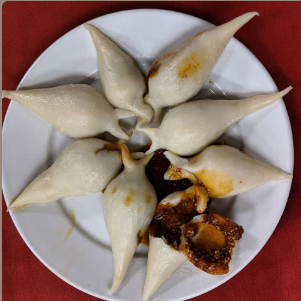
    Yomari, a sacred dumpling of profound cultural significance, stands as a culinary emblem of the Newar community in Nepal. This cone-shaped delicacy, crafted from rice flour and filled with sweet or savory ingredients, is not merely a food item but a representation of centuries-old traditions and spiritual beliefs. Originating in the Kathmandu Valley, Yomari has transcended its role as a simple dish to become a central figure in Newari festivals and religious ceremonies, particularly during the winter months.

    The intricate preparation and unique shape of Yomari symbolize the coming together of skill, devotion, and cultural heritage. As we delve deeper into the world of this extraordinary dumpling, we’ll uncover its rich history, cultural importance, and the meticulous artistry involved in its creation.

    The Origins and Cultural Significance of Yomari

    Ancient Origins

    Yomari’s history dates back to ancient times in the Kathmandu Valley, with its exact origins shrouded in legend and myth.

    Religious Integration

    Over centuries, Yomari became integrated into Hindu and Buddhist practices, symbolizing prosperity and good fortune.

    Festival Centerpiece

    The dumpling evolved into the star of Yomari Punhi, a winter solstice festival celebrating the end of the rice harvest.

    Modern Cultural Icon

    Today, Yomari remains a beloved symbol of Newari culture, celebrated both within Nepal and by the global Newar diaspora.

    The Art of Crafting Yomari

    Dough Preparation

    Rice flour is mixed with water to create a soft, pliable dough that will form the outer shell of the Yomari.

    Filling Creation

    Traditional sweet fillings like chaku (molasses) and khuwa (reduced milk) or savory options such as meat and lentils are prepared.

    Shaping the Dumpling

    The dough is expertly shaped into a cone, filled, and then sealed with intricate folds to create the distinctive fish-tail pattern.

    Steaming to Perfection

    The shaped Yomari are carefully steamed until the dough becomes translucent and the filling is heated through.

    Yomari Varieties: Sweet and Savory Delights

    Sweet Yomari

    The most traditional and popular variety, sweet Yomari is typically filled with chaku (molasses) and sesame seeds. This combination creates a rich, caramel-like flavor that’s both comforting and indulgent. Another beloved sweet filling is khuwa, a type of reduced milk solids, often mixed with coconut for added texture and flavor.

    Savory Yomari

    While less common, savory Yomari offer a delicious alternative. These can be filled with spiced ground meat, typically buffalo or chicken, mixed with aromatic herbs and spices. Vegetarian options include lentil fillings seasoned with cumin, garlic, and ginger, providing a hearty and satisfying taste.

    Modern Innovations

    Contemporary Newar chefs have begun experimenting with new Yomari fillings, including chocolate, fruit preserves, and even fusion flavors that blend traditional Newari tastes with international cuisines. These innovations keep the tradition alive while appealing to younger generations and global palates.

    The Yomari Punhi Festival: A Celebration of Harvest

    Timing and Significance

    Yomari Punhi takes place on the full moon day of December, marking the end of the rice harvest season. It’s a time of thanksgiving to the gods for a bountiful crop and a prayer for prosperity in the coming year.

    Rituals and Offerings

    Families prepare Yomari as an offering to Annapurna, the goddess of grains. The first Yomari is traditionally offered to the gods before being shared among family members and guests.

    Community Celebrations

    The festival brings communities together, with neighbors sharing Yomari and participating in traditional dances and songs. It’s a time of joy, gratitude, and reinforcing social bonds.

    Cultural Preservation

    Yomari Punhi plays a crucial role in preserving Newari culture, passing down culinary traditions and cultural values from one generation to the next.

    Yomari in Newar Mythology and Folklore

    The Divine Origin

    According to legend, Yomari was first created by a couple who offered it to a deity disguised as a beggar. Pleased with the offering, the deity blessed the couple and their village with prosperity, establishing Yomari as a sacred food.

    Symbol of Fertility

    The shape of Yomari is often associated with fertility symbols in Newar culture. Its cone-like form is said to represent the union of male and female energies, making it a popular offering during marriage ceremonies.

    Harbinger of Good Fortune

    Newar folklore suggests that the consumption of Yomari during Yomari Punhi brings good luck and financial success in the coming year. Many businesses choose this auspicious time to start new ventures.

    Connection to Nature

    The fish-tail design of Yomari is believed to symbolize the connection between humans and nature, particularly the rivers that sustain the Kathmandu Valley’s agriculture.

    Nutritional Value and Health Benefits of Yomari

    NutrientAmount per ServingHealth Benefit
    CarbohydratesHighEnergy source
    ProteinModerateMuscle building
    IronModerateBlood health
    CalciumLow to ModerateBone strength
    FiberLow to ModerateDigestive health

    Yomari Beyond Borders: Global Recognition and Adaptation

    International Exposure

    As Nepalese cuisine gains global recognition, Yomari is finding its way onto international menus and food festivals, introducing this unique dumpling to food enthusiasts worldwide.

    Fusion Creations

    Innovative chefs are experimenting with Yomari, creating fusion versions that blend traditional Newari flavors with international cuisines, appealing to a diverse palate.

    Cultural Preservation

    Newar communities in diaspora use Yomari as a means to maintain their cultural identity and pass on traditions to younger generations born outside Nepal.

    Culinary Tourism

    Yomari-making classes and food tours in Nepal are attracting tourists interested in experiencing authentic Newari culture through its iconic cuisine.

    The Future of Yomari: Preservation and Innovation

    Traditional Preservation

    Efforts to document and preserve traditional Yomari recipes and techniques ensure that the authentic version of this cultural icon remains alive for future generations.

    Culinary Innovation

    Young Newar chefs are reimagining Yomari with new flavors and presentations, keeping the dish relevant in the modern culinary landscape while respecting its cultural roots.

    Sustainable Practices

    There’s a growing focus on using locally-sourced, organic ingredients for Yomari, aligning this traditional food with contemporary sustainability concerns.

    Global Recognition

    Efforts are underway to gain UNESCO Intangible Cultural Heritage status for Yomari and its associated traditions, which would bring global attention to this unique aspect of Newar culture.

    Yomari: A Taste of Newar Heritage

    Culinary Artistry

    The intricate shape and delicate texture of Yomari showcase the culinary expertise passed down through generations of Newar families, representing a living tradition of food as art.

    Spiritual Nourishment

    Beyond its role as food, Yomari serves as a spiritual offering, bridging the material and divine worlds in Newar culture, and symbolizing the community’s deep connection to their faith and traditions.

    Cultural Ambassador

    As Yomari gains recognition beyond Nepal’s borders, it serves as a delicious ambassador of Newar culture, inviting people from around the world to experience the rich heritage and flavors of this unique community.
  • योमरी: न्युारी संस्कृतिको मिठो परिचय

    योमरी: न्युारी संस्कृतिको मिठो परिचय

    योमरी नेपालको न्युारी समुदायको एक परम्परागत र अत्यन्त लोकप्रिय मिठाई हो। यो चामलको पिठोबाट बनाइएको खोल भित्र गुलियो चाखलागी भरिएको हुन्छ। यसको विशेष कोन आकारले यसलाई अद्वितीय बनाउँछ। योमरी केवल एक मिठाई मात्र होइन, यो न्युारी संस्कृति र परम्पराको एक महत्वपूर्ण हिस्सा हो। यो विशेष गरी योमरी पुन्हि त्योहारमा बनाइन्छ, जुन मंसिर महिनामा मनाइन्छ। यो मिठाई न केवल स्वादिष्ट छ, बल्कि यसको गहिरो सांस्कृतिक महत्व पनि छ।

    योमरीको इतिहास र महत्व

    प्राचीन उत्पत्ति

    योमरीको उत्पत्ति न्युारी समुदायमा सदियौं पहिले भएको मानिन्छ। यो मूल रूपमा देवी-देवताहरूलाई चढाइने प्रसादको रूपमा विकसित भएको थियो।

    सांस्कृतिक महत्व

    समय बित्दै जाँदा, योमरी न्युारी संस्कृतिको एक अभिन्न अंग बन्यो। यो विशेष अवसरहरू र धार्मिक समारोहहरूमा बनाइन्छ।

    आधुनिक लोकप्रियता

    आज, योमरी नेपालभर लोकप्रिय छ र यसलाई न्युारी समुदाय बाहिरका मानिसहरूले पनि रुचाउँछन्। यो अब एक राष्ट्रिय मिठाईको रूपमा मान्यता प्राप्त छ।

    योमरीको सामग्री र बनाउने तरिका

    मुख्य सामग्रीहरू

    योमरी बनाउन चाहिने मुख्य सामग्रीहरूमा चामलको पिठो, चिनी, तिल र खुवा पर्दछन्। यी सामग्रीहरू स्थानीय रूपमा उपलब्ध र पारम्परिक न्युारी भान्सामा प्रयोग हुने हुन्।

    तयारी प्रक्रिया

    योमरी बनाउन पहिले चामलको पिठोलाई पानीसँग मिसाएर नरम गुँध्नु पर्छ। त्यसपछि यसलाई कोन आकारमा बनाइन्छ र भित्र गुलियो भरिन्छ। अन्तमा यसलाई वाफमा पकाइन्छ।

    विशेष कौशल

    योमरीलाई सही आकार दिन र भरिएको सामग्री नचुहिने गरी बन्द गर्न विशेष कौशल चाहिन्छ। यो कला पुस्तौं देखि हस्तान्तरण हुँदै आएको छ।

    योमरीका विभिन्न प्रकारहरू

    चाकु योमरी

    यो सबैभन्दा लोकप्रिय प्रकारको योमरी हो। यसमा चाकु (कालो गुड) र तिलको मिश्रण भरिन्छ। यो मिठो र पौष्टिक हुन्छ।

    खुवा योमरी

    यसमा खुवा (दूधबाट बनेको मिठाई) भरिन्छ। यो मिठो र क्रिमी स्वादको लागि प्रसिद्ध छ।

    आलु योमरी

    यो नमकिन प्रकारको योमरी हो जसमा मसलेदार आलुको भर्ता भरिन्छ। यो एक स्वादिष्ट विकल्प हो जसले परम्परागत मिठो योमरीलाई भिन्न स्वाद प्रदान गर्छ।

    योमरी पुन्हि: विशेष त्योहार

    त्योहारको महत्व

    योमरी पुन्हि न्युारी समुदायको एक महत्वपूर्ण त्योहार हो जुन मंसिर महिनाको पूर्णिमामा मनाइन्छ। यो दिन कृषि कार्यको समाप्ति र नयाँ फसलको उत्सवको रूपमा मनाइन्छ।

    योमरीको भूमिका

    यस त्योहारमा योमरी केन्द्रीय भूमिकामा हुन्छ। घरघरमा ठूलो मात्रामा योमरी बनाइन्छ र परिवार तथा साथीभाइसँग बाँडिन्छ।

    सांस्कृतिक कार्यक्रमहरू

    त्योहारको अवधिमा विभिन्न सांस्कृतिक कार्यक्रमहरू आयोजना गरिन्छ। यसमा पारम्परिक नृत्य, संगीत र धार्मिक अनुष्ठानहरू समावेश हुन्छन्।

    योमरीको पौष्टिक मूल्य

    पोषक तत्वमात्रा (प्रति 100 ग्राम)
    क्यालोरी250-300
    कार्बोहाइड्रेट45-50 ग्राम
    प्रोटिन5-7 ग्राम
    चिल्लो पदार्थ8-10 ग्राम
    फाइबर2-3 ग्राम

    योमरी र आधुनिक नेपाली भान्सा

    परम्परागत रेसिपी

    योमरीको मूल रेसिपी सदियौंदेखि अपरिवर्तित रहेको छ, जसले यसको सांस्कृतिक महत्वलाई कायम राखेको छ।

    नवीन प्रयोगहरू

    आधुनिक शेफहरूले योमरीमा नयाँ स्वादहरू र प्रस्तुतिहरू थप्दै छन्, जस्तै चकलेट भरेको योमरी वा आइसक्रीमसँग सर्भ गरिएको योमरी।

    अन्तर्राष्ट्रिय प्रभाव

    योमरी अब विश्वभरका नेपाली रेस्टुरेन्टहरूमा पाइन्छ, जसले यसलाई अन्तर्राष्ट्रिय स्तरमा लोकप्रिय बनाएको छ।

    योमरीसँग सम्बन्धित अन्य न्युारी खानाहरू

    बारा

    बारा एक लोकप्रिय न्युारी खाना हो जुन दालको पिठोबाट बनाइन्छ र तेलमा तारिन्छ। यो प्रायः योमरीसँगै सर्भ गरिन्छ।

    छोइला

    छोइला मसलेदार मासुको परिकार हो जुन प्रायः योमरीको साथमा खाइन्छ। यसले मिठो योमरीसँग स्वादिष्ट संयोजन बनाउँछ।

    क्वाँती

    क्वाँती विभिन्न दालहरूको सूप हो जुन पौष्टिक र स्वादिष्ट हुन्छ। यो पनि योमरीसँग राम्रोसँग मिल्छ।

    योमरी बनाउने टिप्स र ट्रिक्स

    सही पिठोको छनौट

    राम्रो योमरीको लागि उच्च गुणस्तरको चामलको पिठो प्रयोग गर्नुहोस्। पिठो धेरै मसिनो र ताजा हुनुपर्छ।

    उचित तापमान

    योमरीलाई सही तापमानमा पकाउनु महत्वपूर्ण छ। धेरै तातो वा चिसो नहुने गरी मध्यम आँचमा पकाउनुहोस्।

    भरिने सामग्रीको सन्तुलन

    योमरीमा भरिने सामग्रीको मात्रा सही हुनुपर्छ। धेरै भर्दा फुट्न सक्छ, कम भर्दा स्वाद कम हुन सक्छ।

    आकार दिने तरिका

    योमरीलाई सही आकार दिन अभ्यास चाहिन्छ। हातलाई नरम र चलाख राख्नुहोस् र धैर्यताका साथ काम गर्नुहोस्।

    योमरीको भविष्य र संरक्षण

    नयाँ पुस्तामा सीप हस्तान्तरण

    योमरी बनाउने कला नयाँ पुस्तामा हस्तान्तरण गर्न विभिन्न कार्यक्रमहरू आयोजना गरिँदैछन्। यसले परम्परालाई जीवित राख्न मद्दत गर्नेछ।

    आधुनिक भान्सामा स्थान

    योमरी अब आधुनिक नेपाली रेस्टुरेन्टहरूमा पनि प्रमुख मेनुको रूपमा देखा पर्न थालेको छ, जसले यसको लोकप्रियता बढाउँदैछ।

    सांस्कृतिक महोत्सवहरू

    योमरी र यससँग सम्बन्धित संस्कृतिलाई बढावा दिन विभिन्न महोत्सवहरू आयोजना गरिन्छन्, जसले यसको महत्व र परम्परालाई संरक्षण गर्न मद्दत गर्छ।

  • Newari Bara Woh: A Culinary Gem of Nepal

    Newari Bara Woh: A Culinary Gem of Nepal

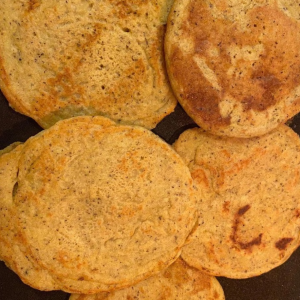
    Nestled in the heart of Nepali cuisine, Newari Bara Woh stands as a testament to the rich culinary heritage of the Newari community. This beloved dish, also known simply as “Bara,” is a savory lentil pancake that has been delighting palates for generations. Originating from the Kathmandu Valley, Bara Woh has become an integral part of Newari festivals, celebrations, and everyday meals, embodying the essence of Newari culture and tradition.

    The Art of Crafting Bara Woh

    Soaking and Grinding

    The process begins with soaking black lentils overnight, allowing them to soften. The next day, the lentils are ground into a smooth paste using a traditional stone grinder or modern appliances.

    Seasoning the Batter

    The ground lentil paste is then seasoned with a blend of spices, including cumin, ginger, and garlic. Salt is added to taste, creating a perfectly balanced flavor profile.

    Shaping and Cooking

    The seasoned batter is shaped into small, round patties and fried in oil until golden brown and crispy on the outside, while remaining soft and fluffy on the inside.

    Nutritional Value and Health Benefits

    Protein-Rich

    Bara Woh is an excellent source of plant-based protein, making it a nutritious option for vegetarians and vegans. The black lentils used in the dish are packed with essential amino acids, supporting muscle growth and repair.

    Fiber and Minerals

    The lentils in Bara Woh provide a good amount of dietary fiber, promoting digestive health. They are also rich in iron, potassium, and magnesium, contributing to overall well-being and energy levels.

    Spice Benefits

    The spices used in Bara Woh, such as cumin and ginger, offer additional health benefits. These ingredients are known for their anti-inflammatory properties and potential to aid digestion.

    Cultural Significance in Newari Traditions

    Festival Favorite

    Bara Woh plays a central role in many Newari festivals, including Sithi Nakha and Yenya (Indra Jatra). It is offered to deities and shared among community members as a symbol of unity and celebration.

    Ritual Significance

    In certain Newari rituals, Bara Woh is used as an offering to ancestors and gods. Its circular shape is believed to represent the cycle of life and the continuity of traditions.

    Social Bonding

    Preparing and sharing Bara Woh is a communal activity that strengthens social bonds within Newari families and neighborhoods. It often brings multiple generations together in the kitchen.

    Symbol of Hospitality

    Offering Bara Woh to guests is considered a gesture of warmth and hospitality in Newari culture. It is often served alongside other traditional dishes to welcome visitors and celebrate special occasions.

    Regional Variations of Bara Woh

    RegionVariationUnique Ingredients
    KathmanduClassic BaraBlack lentils, ginger, garlic
    BhaktapurWoAdded green lentils, buffalo meat
    PatanBara TwayServed with spicy sauce (tway)

    Pairing Bara Woh: A Culinary Adventure

    Local Brews

    Pair Bara Woh with traditional Newari rice beer (thon) or the popular Nepali beer Gorkha for a perfect blend of flavors. The crispy texture of Bara complements the refreshing taste of these local beverages.

    Hearty Soups

    Enjoy Bara Woh alongside a bowl of kwati, a nutritious soup made from nine different beans. This combination offers a balance of textures and a protein-rich meal that’s both satisfying and delicious.

    Spicy Chutneys

    Enhance the flavor of Bara Woh by serving it with an array of spicy chutneys. Popular options include tomato achar, sesame chutney, or the fiery Newari specialty, bara ko achar.

    Tangy Pickles

    Complement the savory taste of Bara Woh with a selection of tangy Newari pickles. Try gundruk (fermented leafy greens) or lapsi ko achar (hog plum pickle) for an explosion of flavors.

    Modernizing Bara Woh: Contemporary Twists

    Fusion Flavors

    Innovative chefs are experimenting with fusion versions of Bara Woh, incorporating international flavors like pesto, sun-dried tomatoes, or even truffle oil to create unique taste experiences.

    Gourmet Presentations

    Upscale restaurants are elevating Bara Woh with artistic plating techniques, turning this humble street food into a fine dining experience. Mini Bara sliders and Bara Benedict are becoming popular brunch items.

    Health-Conscious Variations

    To cater to health-conscious diners, chefs are creating gluten-free and baked versions of Bara Woh, using alternative flours and cooking methods while maintaining the dish’s authentic flavors.

    Global Recognition

    As Nepali cuisine gains international attention, Bara Woh is finding its way onto menus worldwide, introducing this Newari delicacy to a global audience and sparking cross-cultural culinary innovations.

    Preserving the Legacy of Bara Woh

    Cultural Education

    Newari community centers and schools are implementing programs to teach younger generations the art of making Bara Woh, ensuring that this culinary tradition continues to thrive.

    Culinary Tourism

    Food tours and cooking classes focused on Newari cuisine, including Bara Woh, are gaining popularity, allowing tourists and locals alike to experience the rich cultural heritage behind this iconic dish.

    Recipe Documentation

    Efforts are being made to document traditional Bara Woh recipes and techniques, preserving the authentic methods for future generations and culinary historians.

    Festival Promotion

    Newari festivals featuring Bara Woh are being promoted more widely, encouraging cultural exchange and appreciation for this beloved dish both within Nepal and internationally.


    This was generated with the help of AI. This technology is new and constantly improving. Please verify the accuracy before sharing.

  • Himalayan Mo Mo: A Delicious Dumpling Culinary Journey!

    Embark on a mouth-watering culinary journey to the heart of the Himalayas as we explore the delicious world of Mo Mo dumplings! Discover the unique flavors and cultural significance behind these beloved steamed (or fried!) morsels, from their juicy fillings and delicate wrappers to the savory dipping sauces that complete them. This short video offers a taste of Himalayan tradition and a new appreciation for this iconic dish. Have you tried Mo Mos before? Let us know your favorite type in the comments! Don’t forget to like and subscribe for more global food adventures!

    A Culinary Journey: Nepali Momos

    Nepali momos are a staple in Nepali cuisine and a delight for food lovers worldwide. These steamed dumplings filled with minced meat, vegetables, and Nepali spices offer a unique and satisfying dining experience. In this presentation, we will explore the history, ingredients, and art of preparing Nepali momos.

    Ingredients for Nepali Momos

    Dough
    The dough is made from all-purpose flour, water, and a pinch of salt. It should be kneaded until smooth and elastic for rolling.

    Filling
    The traditional filling comprises minced meat (buff, pork, or chicken), ginger, garlic, onions, and a blend of Nepali spices. Additionally, chopped vegetables such as cabbage, carrots, and green onions are used for texture and flavor. Green chilies can be added for a spicy kick.

    Other Essentials
    Oil for steaming and dipping sauces such as tomato chutney, achar (pickled vegetables), or a blend of soy sauce, vinegar, and chili oil.

    Preparing the Momo Dough

    Combining Ingredients
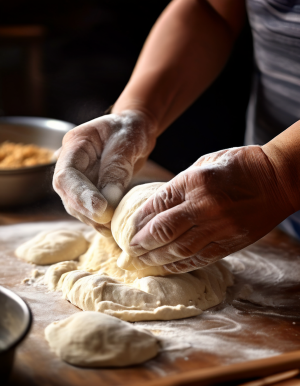
    Mix all-purpose flour, water, and a pinch of salt in a bowl. Gradually add water while kneading until the dough is smooth and pliable.

    Kneading
    Knead the dough vigorously for at least 10 minutes to achieve a smooth and elastic texture.

    Resting
    Cover the kneaded dough with a damp cloth and let it rest for at least 30 minutes to allow the gluten to relax, making it easier to roll out.

    Filling the Momo Dumplings

    Meat Filling
    Combine minced meat (pork or beef), ginger, garlic, onions, green chilies, and Nepali spices—season with salt and pepper.

    Vegetable Filling
    For a vegetarian option, use a mixture of finely chopped vegetables such as cabbage, carrots, green onions, and peas. Season with soy sauce, ginger, garlic, and other desired spices.

    Mixing the Filling
    Thoroughly mix the meat or vegetable filling until all the ingredients are well combined and evenly distributed.

    Shaping the Momos

    Rolling the Dough
    Divide the rested dough into small balls and roll out each ball into a thin circle using a rolling pin.

    Filling the Dumplings
    Place a small spoonful of filling in the center of each rolled-out dough circle, being careful not to overfill.

    Sealing the Edges
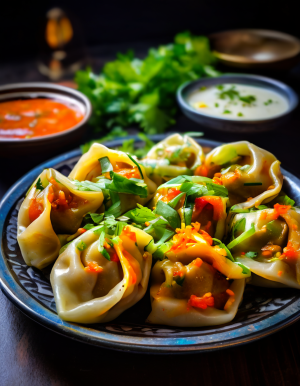
    Gently fold the edges of the dough circle over the filling, pleating them to create a half-moon shape. Press down firmly along the edges to seal the momo.

    Steaming the Momos

    Steaming
    Place the shaped momos in a steamer basket over a pot of boiling water, making sure they are not overcrowded.

    Cooking Time
    Steam the momos for 15-20 minutes, or until the dough is cooked through and the filling is heated.

    Checking Doneness
    To check if the momos are cooked, gently poke one with a fork. The dough should be firm and springy.

    Serving Nepali Momos

    Dipping Sauces
    Nepali momos are traditionally served with a variety of dipping sauces such as tomato chutney, achar, or a blend of soy sauce, vinegar, and chili oil.

    Garnishes
    Momos are often garnished with fresh cilantro, green onions, or sesame seeds for added flavor and freshness.

    Presentation
    To present the steamed momos beautifully, arrange them on a platter alongside the dipping sauces and garnishes, or serve them in individual bowls or bamboo steamers.

    Variations of Nepali Momos

    Fried Momos: Instead of steaming, momos can be pan-fried for a crispy and flavorful experience.
    Jhol Momo: This variation features momos served in a flavorful broth, often with a spicy tomato-based sauce.
    Kothey Momo: These are smaller, pan-fried momos, often served as street food with a variety of dipping sauces.
    Momo Chaat: A popular street food variation that combines momos with a mix of chutneys, spices, and other toppings.

    Tips for Perfect Nepali Momos

    – Dough Consistency: Knead the dough to the right consistency for easy rolling and shaping.
    – Filling Proportion: Avoid overfilling the momos to prevent bursting during steaming.
    – Steaming Technique: Steam the momos over high heat for even and quick cooking.
    – Dipping Sauce Choices: Experiment with different dipping sauces to find your favorite combinations.

    Conclusion and Recap

    Nepali momos, with their delightful flavors and versatility, are a true culinary treasure. From preparing the dough to the artistry of shaping and steaming, making momos is a rewarding culinary experience.

    SEO Keywords:
    Mo Mo, Himalayan Cuisine, Dumplings, Nepali Food, Tibetan Food

    Hashtags:
    #MoMo #HimalayanFood #Dumplings #CulinaryJourney #Foodie


    This was generated with the help of AI. This technology is new and constantly improving. Please verify the accuracy before sharing.

  • Newari Bara WOH – Food Nepal Nepali – The Way I Like It

    Newari Bara WOH – Food Nepal Nepali – The Way I Like It

  • Breakfast Burrito

    Breakfast Burrito

    My breakfast burrito is not just for breakfast anymore. Eating any time of the day is ideal because it’s so delicious!

    Main Ingredients:

    – Avocado Oil Spray or Cooking Oil

    – One flour tortilla

    – One egg

    – One boiled and mashed potato

    – One small tomato

    – Shredded Mexican-style cheese

    – Spices: Salt, cumin (or ground pepper), and hot sauce

    #Food #Breakfast #Lunch #Dinner #Burrito #AvocadoOil #Tortilla #Egg #Potato #Tomato #Salt #Cumin #hotsauce

    Breakfast Burrito