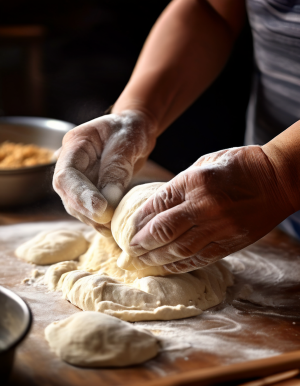
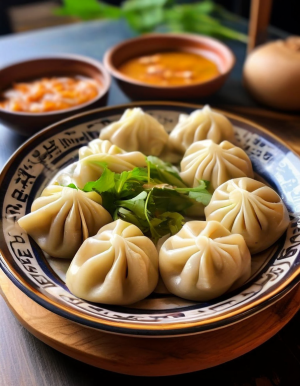
योमरी नेपालको न्युारी समुदायको एक परम्परागत र अत्यन्त लोकप्रिय मिठाई हो। यो चामलको पिठोबाट बनाइएको खोल भित्र गुलियो चाखलागी भरिएको हुन्छ। यसको विशेष कोन आकारले यसलाई अद्वितीय बनाउँछ। योमरी केवल एक मिठाई मात्र होइन, यो न्युारी संस्कृति र परम्पराको एक महत्वपूर्ण हिस्सा हो। यो विशेष गरी योमरी पुन्हि त्योहारमा बनाइन्छ, जुन मंसिर महिनामा मनाइन्छ। यो मिठाई न केवल स्वादिष्ट छ, बल्कि यसको गहिरो सांस्कृतिक महत्व पनि छ।
योमरीको इतिहास र महत्व
प्राचीन उत्पत्ति
योमरीको उत्पत्ति न्युारी समुदायमा सदियौं पहिले भएको मानिन्छ। यो मूल रूपमा देवी-देवताहरूलाई चढाइने प्रसादको रूपमा विकसित भएको थियो।
सांस्कृतिक महत्व
समय बित्दै जाँदा, योमरी न्युारी संस्कृतिको एक अभिन्न अंग बन्यो। यो विशेष अवसरहरू र धार्मिक समारोहहरूमा बनाइन्छ।
आधुनिक लोकप्रियता
आज, योमरी नेपालभर लोकप्रिय छ र यसलाई न्युारी समुदाय बाहिरका मानिसहरूले पनि रुचाउँछन्। यो अब एक राष्ट्रिय मिठाईको रूपमा मान्यता प्राप्त छ।
योमरीको सामग्री र बनाउने तरिका
मुख्य सामग्रीहरू
योमरी बनाउन चाहिने मुख्य सामग्रीहरूमा चामलको पिठो, चिनी, तिल र खुवा पर्दछन्। यी सामग्रीहरू स्थानीय रूपमा उपलब्ध र पारम्परिक न्युारी भान्सामा प्रयोग हुने हुन्।
तयारी प्रक्रिया
योमरी बनाउन पहिले चामलको पिठोलाई पानीसँग मिसाएर नरम गुँध्नु पर्छ। त्यसपछि यसलाई कोन आकारमा बनाइन्छ र भित्र गुलियो भरिन्छ। अन्तमा यसलाई वाफमा पकाइन्छ।
विशेष कौशल
योमरीलाई सही आकार दिन र भरिएको सामग्री नचुहिने गरी बन्द गर्न विशेष कौशल चाहिन्छ। यो कला पुस्तौं देखि हस्तान्तरण हुँदै आएको छ।
योमरीका विभिन्न प्रकारहरू
चाकु योमरी
यो सबैभन्दा लोकप्रिय प्रकारको योमरी हो। यसमा चाकु (कालो गुड) र तिलको मिश्रण भरिन्छ। यो मिठो र पौष्टिक हुन्छ।
खुवा योमरी
यसमा खुवा (दूधबाट बनेको मिठाई) भरिन्छ। यो मिठो र क्रिमी स्वादको लागि प्रसिद्ध छ।
आलु योमरी
यो नमकिन प्रकारको योमरी हो जसमा मसलेदार आलुको भर्ता भरिन्छ। यो एक स्वादिष्ट विकल्प हो जसले परम्परागत मिठो योमरीलाई भिन्न स्वाद प्रदान गर्छ।
योमरी पुन्हि: विशेष त्योहार
त्योहारको महत्व
योमरी पुन्हि न्युारी समुदायको एक महत्वपूर्ण त्योहार हो जुन मंसिर महिनाको पूर्णिमामा मनाइन्छ। यो दिन कृषि कार्यको समाप्ति र नयाँ फसलको उत्सवको रूपमा मनाइन्छ।
योमरीको भूमिका
यस त्योहारमा योमरी केन्द्रीय भूमिकामा हुन्छ। घरघरमा ठूलो मात्रामा योमरी बनाइन्छ र परिवार तथा साथीभाइसँग बाँडिन्छ।
सांस्कृतिक कार्यक्रमहरू
त्योहारको अवधिमा विभिन्न सांस्कृतिक कार्यक्रमहरू आयोजना गरिन्छ। यसमा पारम्परिक नृत्य, संगीत र धार्मिक अनुष्ठानहरू समावेश हुन्छन्।
योमरीको पौष्टिक मूल्य
पोषक तत्व
मात्रा (प्रति 100 ग्राम)
क्यालोरी
250-300
कार्बोहाइड्रेट
45-50 ग्राम
प्रोटिन
5-7 ग्राम
चिल्लो पदार्थ
8-10 ग्राम
फाइबर
2-3 ग्राम
योमरी र आधुनिक नेपाली भान्सा
परम्परागत रेसिपी
योमरीको मूल रेसिपी सदियौंदेखि अपरिवर्तित रहेको छ, जसले यसको सांस्कृतिक महत्वलाई कायम राखेको छ।
नवीन प्रयोगहरू
आधुनिक शेफहरूले योमरीमा नयाँ स्वादहरू र प्रस्तुतिहरू थप्दै छन्, जस्तै चकलेट भरेको योमरी वा आइसक्रीमसँग सर्भ गरिएको योमरी।
अन्तर्राष्ट्रिय प्रभाव
योमरी अब विश्वभरका नेपाली रेस्टुरेन्टहरूमा पाइन्छ, जसले यसलाई अन्तर्राष्ट्रिय स्तरमा लोकप्रिय बनाएको छ।
योमरीसँग सम्बन्धित अन्य न्युारी खानाहरू
बारा
बारा एक लोकप्रिय न्युारी खाना हो जुन दालको पिठोबाट बनाइन्छ र तेलमा तारिन्छ। यो प्रायः योमरीसँगै सर्भ गरिन्छ।
छोइला
छोइला मसलेदार मासुको परिकार हो जुन प्रायः योमरीको साथमा खाइन्छ। यसले मिठो योमरीसँग स्वादिष्ट संयोजन बनाउँछ।
क्वाँती
क्वाँती विभिन्न दालहरूको सूप हो जुन पौष्टिक र स्वादिष्ट हुन्छ। यो पनि योमरीसँग राम्रोसँग मिल्छ।
योमरी बनाउने टिप्स र ट्रिक्स
सही पिठोको छनौट
राम्रो योमरीको लागि उच्च गुणस्तरको चामलको पिठो प्रयोग गर्नुहोस्। पिठो धेरै मसिनो र ताजा हुनुपर्छ।
उचित तापमान
योमरीलाई सही तापमानमा पकाउनु महत्वपूर्ण छ। धेरै तातो वा चिसो नहुने गरी मध्यम आँचमा पकाउनुहोस्।
भरिने सामग्रीको सन्तुलन
योमरीमा भरिने सामग्रीको मात्रा सही हुनुपर्छ। धेरै भर्दा फुट्न सक्छ, कम भर्दा स्वाद कम हुन सक्छ।
आकार दिने तरिका
योमरीलाई सही आकार दिन अभ्यास चाहिन्छ। हातलाई नरम र चलाख राख्नुहोस् र धैर्यताका साथ काम गर्नुहोस्।
योमरीको भविष्य र संरक्षण
नयाँ पुस्तामा सीप हस्तान्तरण
योमरी बनाउने कला नयाँ पुस्तामा हस्तान्तरण गर्न विभिन्न कार्यक्रमहरू आयोजना गरिँदैछन्। यसले परम्परालाई जीवित राख्न मद्दत गर्नेछ।
आधुनिक भान्सामा स्थान
योमरी अब आधुनिक नेपाली रेस्टुरेन्टहरूमा पनि प्रमुख मेनुको रूपमा देखा पर्न थालेको छ, जसले यसको लोकप्रियता बढाउँदैछ।
सांस्कृतिक महोत्सवहरू
योमरी र यससँग सम्बन्धित संस्कृतिलाई बढावा दिन विभिन्न महोत्सवहरू आयोजना गरिन्छन्, जसले यसको महत्व र परम्परालाई संरक्षण गर्न मद्दत गर्छ।
Standing majestically at 29,029 feet (8,848 meters), Mount Everest reigns as the highest peak on Earth, a colossal monument to nature’s grandeur and human ambition. Straddling the border between Nepal and Tibet, this formidable giant has captivated the hearts and minds of adventurers, scientists, and dreamers for generations. Its snow-capped summit, piercing the jet stream, represents the ultimate challenge for mountaineers and a symbol of Earth’s most extreme environments.
Known as “Sagarmatha” in Nepal and “Chomolungma” in Tibet, Everest is more than just a mountain—it’s a testament to the indomitable human spirit and the raw power of our planet’s geology. This presentation will take you on a journey through the faces of Everest, exploring its history, challenges, and the profound impact it has on those who dare to conquer its heights.
The Geological Marvel
Formation
Everest began its ascent about 60 million years ago when the Indian and Eurasian tectonic plates collided, pushing up the Himalayan range.
Growth
Over millions of years, the peak continued to rise as the plates pushed against each other, lifting sedimentary rock that once formed the bottom of ancient seas.
Present Day
Everest is still growing at a rate of about 4 millimeters per year, a testament to the ongoing geological processes shaping our planet.
Future
Scientists predict Everest will continue to grow for the foreseeable future, potentially reaching even greater heights in millennia to come.
The Everest Experience: Climbing Routes
Southeast Ridge (Nepal)
The most popular route, first conquered by Sir Edmund Hillary and Tenzing Norgay in 1953. Climbers ascend through the Khumbu Icefall, Western Cwm, and the notorious Hillary Step.
North Ridge (Tibet)
A technically challenging route with a longer approach. Climbers face the daunting Three Steps near the summit, including the formidable Second Step at 28,140 feet.
Other Routes
Less frequented paths include the West Ridge, Southwest Face, and Kangshung Face, each presenting unique challenges and breathtaking views of the Himalayan landscape.
Everest Base Camps: Gateways to the Summit
South Base Camp (Nepal)
Located at 17,598 feet (5,364 m), this bustling temporary city hosts hundreds of climbers and support staff during peak season. It’s a vibrant hub of activity, complete with medical facilities, communication centers, and a unique mountaineering culture.
North Base Camp (Tibet)
Situated at 16,900 feet (5,150 m), this camp is accessible by vehicle, offering a different experience. It’s less crowded but equally crucial for acclimatization and preparation before the ascent.
Life at Base Camp
Climbers spend weeks at base camp, acclimatizing to the altitude, training, and forming bonds with fellow adventurers. The camps pulse with anticipation, anxiety, and the shared dream of reaching the world’s highest point.
The Sherpa People: Guardians of Everest
Heritage
The Sherpa people, native to the Khumbu region of Nepal, have a deep spiritual and cultural connection to Everest, which they call “Chomolungma” – Goddess Mother of the World.
Expertise
Renowned for their strength and ability to work in high-altitude conditions, Sherpas are invaluable guides and porters for Everest expeditions, often making multiple ascents in a single season.
Contribution
Sherpas are responsible for setting ropes, ladders, and camps along the route, ensuring the safety of climbers and often performing daring rescues in extreme conditions.
Community
The Everest climbing industry has significantly impacted Sherpa culture and economy, bringing both opportunities and challenges to their traditional way of life.
Extreme Weather: Everest’s Formidable Climate
Temperature
Summit temperatures can plummet to -60°F (-51°C) in winter, with average summer temperatures around -2°F (-19°C). Even on the warmest days, the summit never rises above freezing.
Wind
Fierce jet stream winds can exceed 200 mph (320 km/h) at the summit. These hurricane-force gusts create deadly wind chill factors and can easily blow climbers off the mountain.
Precipitation
Everest receives about 32 inches (810 mm) of snow annually, mostly during the summer monsoon season. Sudden snowstorms can create avalanche conditions and obscure visibility.
Oxygen
At the summit, there’s only about a third of the oxygen available at sea level. This “death zone” above 26,000 feet (7,924 m) presents extreme challenges to human physiology.
Decades of expeditions have left tons of garbage, discarded equipment, and human waste on Everest’s slopes, earning it the unfortunate nickname “the world’s highest garbage dump.”
Cleanup Initiatives
Recent years have seen increased efforts to clean up the mountain, with mandatory garbage deposits for climbers and organized cleanup expeditions removing tons of waste.
Climate Change Impact
Rising temperatures are causing glaciers to retreat, exposing more terrain and potentially uncovering long-buried waste and bodies. This also increases the risk of avalanches and rockfalls.
Sustainable Practices
Implementation of stricter environmental regulations, improved waste management systems, and promotion of eco-friendly climbing practices aim to preserve Everest’s fragile ecosystem for future generations.
Everest provides invaluable insights into plate tectonics, mountain formation, and the Earth’s crust. Rock samples from the summit contain marine fossils, evidence of the peak’s oceanic past.
Climate Research
Weather stations on Everest collect crucial data on high-altitude climate patterns, helping scientists understand global climate systems and the impacts of climate change on mountainous regions.
Medical Research
The extreme conditions on Everest offer unique opportunities to study human physiology at high altitudes, contributing to advancements in treating altitude sickness and understanding the body’s adaptation to low-oxygen environments.
The Future of Everest: Challenges and Opportunities
Managing Crowds
With increasing numbers of climbers each year, there’s a growing need for better crowd management to ensure safety and preserve the mountain’s environment. Stricter permit regulations and climbing schedules may be implemented.
Technological Advancements
Future expeditions may benefit from improved weather forecasting, advanced GPS tracking, and better communication systems, enhancing safety and success rates for climbers.
Sustainable Tourism
The development of more eco-friendly practices and infrastructure aims to balance the economic benefits of Everest tourism with environmental preservation, ensuring the mountain’s majesty for generations to come.
Mount Everest: The Roof of the World #Everest #mteverest #mounteverest
The Newars: Ancient Custodians of Nepal’s Cultural Heritage
The Newars, an indigenous ethnic group of Nepal’s Kathmandu Valley, are the historical inhabitants of the region and the creators of its rich cultural and artistic legacy. With a history spanning over two millennia, the Newars have played a pivotal role in shaping Nepal’s identity through their unique customs, intricate architecture, and vibrant festivals. This ancient community, known for their entrepreneurial spirit and artistic prowess, continues to be an integral part of Nepal’s social fabric, preserving traditions while adapting to the modern world.
Historical Origins and Development
Ancient Beginnings
The Newars trace their origins to the ancient Kirat and Licchavi periods, with evidence of their presence in the Kathmandu Valley dating back to at least 300 BCE. During this time, they developed a sophisticated urban culture and established the foundations of their unique society.
Malla Dynasty Golden Age
The Malla Dynasty (13th-18th centuries) marked a golden age for Newar culture. This period saw the flourishing of art, architecture, and literature, with the construction of magnificent palaces, temples, and public spaces that still define the valley’s landscape today.
Modern Adaptations
Despite political changes and modernization, the Newars have maintained their distinct identity while adapting to contemporary society, blending traditional practices with modern lifestyles and continuing to contribute significantly to Nepal’s cultural and economic spheres.
Newar Language: Nepal Bhasa
Ancient Roots
Nepal Bhasa, the traditional language of the Newars, belongs to the Tibeto-Burman language family and has a rich literary history dating back to the 12th century. It has its own script, known as Ranjana, which is still used in religious and ceremonial contexts.
Literary Tradition
The language has a vast corpus of literature, including poetry, prose, and religious texts. Notable works include the “Naradsmriti” and “Amarkosh,” which have significantly contributed to the preservation of Newar culture and knowledge.
Modern Challenges
Despite its historical importance, Nepal Bhasa faces challenges in the modern era. Efforts are being made to revitalize the language through education programs, publications, and media to ensure its survival and continued relevance in Newar communities.
Newar Architecture: A Living Heritage
Distinctive Style
Newar architecture is characterized by its unique blend of indigenous, Tibetan, and Indian influences. Multi-tiered pagoda-style temples, intricate wood carvings, and brick-and-timber constructions are hallmarks of this architectural tradition. The use of terracotta, carved wood, and metal work showcases the Newars’ exceptional craftsmanship.
Iconic Structures
The Kathmandu Valley is dotted with iconic Newar structures, including the Nyatapola Temple in Bhaktapur, the Kasthamandap in Kathmandu, and the Krishna Mandir in Patan. These buildings not only serve religious and social functions but also stand as testaments to the Newars’ architectural genius.
Urban Planning
Newar urban planning is exemplified in the layout of traditional towns, featuring central Durbar Squares surrounded by residential areas, interconnected by a network of courtyards (bahas) and streets. This design fosters community interaction and reflects the Newar philosophy of harmonious living.
Newar Arts and Crafts
Metalwork
Newar artisans are renowned for their exquisite metalwork, particularly in bronze and copper. They create intricate statues of deities, ritual objects, and everyday items using the lost-wax casting technique, a method passed down through generations.
Wood Carving
Wood carving is an integral part of Newar architecture and art. Elaborately carved windows, doors, and pillars adorn buildings, showcasing scenes from mythology, nature, and daily life. The precision and detail in these carvings reflect the skill and patience of Newar craftsmen.
Paubha Painting
Paubha, a traditional religious painting style, is a hallmark of Newar art. These intricate paintings, often depicting Buddhist and Hindu deities or mandalas, are created using natural pigments on cotton or silk canvas. The art form requires immense skill and spiritual dedication.
Newar Festivals: A Year-Round Celebration
Indra Jatra
One of the most important Newar festivals, Indra Jatra, is an eight-day celebration honoring Indra, the god of rain. The festival features the display of Akash Bhairav’s mask, the chariot procession of Kumari (the living goddess), and numerous masked dances that bring the streets of Kathmandu to life.
Bisket Jatra
Celebrated in Bhaktapur to mark the Newar New Year, Bisket Jatra involves the spectacular tug-of-war of two massive chariots through the narrow streets. The festival culminates with the erection of a towering wooden pole, symbolizing the triumph of good over evil.
Machhindranath Jatra
This month-long festival honors the god of rain and compassion. The highlight is the procession of a massive chariot carrying the deity’s image through the streets of Patan. The festival showcases the Newars’ devotion and their intricate ritual practices.
Gai Jatra
A unique festival blending humor with remembrance, Gai Jatra honors those who have passed away in the previous year. Families parade cows (or children dressed as cows) through the streets, while satirical performances and jokes critique social and political issues.
Newar Cuisine: A Gastronomic Journey
Dish
Description
Occasion
Samay Baji
A set of dishes including beaten rice, meat, lentil patties, and spices
Festivals and ceremonies
Yomari
Steamed rice flour dumplings with sweet fillings
Yomari Punhi festival
Choila
Spicy grilled meat, typically buffalo
Everyday and special occasions
Wo
Lentil pancakes
Everyday breakfast
Lakhamari
Sweet deep-fried bread
Festivals and special events
Newar Social Structure and Caste System
Complex Hierarchy
The Newar social structure is characterized by a complex caste system that combines elements of both Hindu and Buddhist traditions. This unique system includes over 64 castes and sub-castes, each with specific roles and occupations within the community.
Priest Castes
At the top of the hierarchy are the priest castes, including the Hindu Rajopadhyaya Brahmins and the Buddhist Vajracharya and Shakya. These groups are responsible for performing religious rituals and maintaining spiritual traditions.
Occupational Castes
Various occupational castes follow, such as the Shrestha (administrators and traders), Maharjan (farmers), and Tamrakar (coppersmiths). Each caste traditionally has specific duties and crafts, contributing to the community’s economic and cultural fabric.
Modern Adaptations
While the caste system still influences social interactions and marriage practices, its rigid boundaries have softened in modern times. Many Newars now pursue diverse professions regardless of their traditional caste occupations, adapting to contemporary socio-economic realities.
Newar Rituals and Life Cycle Ceremonies
Machabu Bhuigu
This ritual marks a newborn’s first contact with the earth. Performed on the 11th day after birth, it involves placing the baby on the ground and worshipping the earth deity, symbolizing the child’s connection to nature and community.
Annaprashana
The rice-feeding ceremony, typically held when a child is six months old, marks the beginning of solid food consumption. It’s a joyous occasion where family and community members gather to bless the child’s transition to a new stage of life.
Ihi
A unique pre-puberty ritual for Newar girls, Ihi is a symbolic marriage to the Bel fruit, representing the god Vishnu. This ceremony is believed to protect girls from widowhood in their actual marriages later in life.
Ghasu
The Newar death ritual is an elaborate 13-day process involving various purification rites and feasts. It concludes with the Ghasu ceremony, where the deceased’s soul is symbolically guided to the afterlife through intricate rituals and offerings.
Preserving Newar Heritage in the Modern World
Cultural Education
Efforts are being made to integrate Newar language, history, and cultural studies into school curricula. Community organizations and cultural institutions offer workshops and classes to teach traditional arts, crafts, and performing arts to younger generations, ensuring the continuity of these practices.
Urban Conservation
Initiatives to preserve and restore Newar architectural heritage are ongoing, with UNESCO World Heritage Site designations helping to protect key areas. Urban planning policies are being developed to balance modernization with the preservation of traditional Newar town layouts and building styles.
Digital Preservation
Technology is being harnessed to document and digitize Newar cultural artifacts, manuscripts, and oral traditions. Online platforms and social media are used to promote Newar culture globally, connecting diaspora communities and fostering cultural pride among younger Newars.
This was generated with the help of AI. This technology is new and constantly improving. Please verify the accuracy before sharing.
Nestled in the heart of Nepali cuisine, Newari Bara Woh stands as a testament to the rich culinary heritage of the Newari community. This beloved dish, also known simply as “Bara,” is a savory lentil pancake that has been delighting palates for generations. Originating from the Kathmandu Valley, Bara Woh has become an integral part of Newari festivals, celebrations, and everyday meals, embodying the essence of Newari culture and tradition.
The Art of Crafting Bara Woh
Soaking and Grinding
The process begins with soaking black lentils overnight, allowing them to soften. The next day, the lentils are ground into a smooth paste using a traditional stone grinder or modern appliances.
Seasoning the Batter
The ground lentil paste is then seasoned with a blend of spices, including cumin, ginger, and garlic. Salt is added to taste, creating a perfectly balanced flavor profile.
Shaping and Cooking
The seasoned batter is shaped into small, round patties and fried in oil until golden brown and crispy on the outside, while remaining soft and fluffy on the inside.
Nutritional Value and Health Benefits
Protein-Rich
Bara Woh is an excellent source of plant-based protein, making it a nutritious option for vegetarians and vegans. The black lentils used in the dish are packed with essential amino acids, supporting muscle growth and repair.
Fiber and Minerals
The lentils in Bara Woh provide a good amount of dietary fiber, promoting digestive health. They are also rich in iron, potassium, and magnesium, contributing to overall well-being and energy levels.
Spice Benefits
The spices used in Bara Woh, such as cumin and ginger, offer additional health benefits. These ingredients are known for their anti-inflammatory properties and potential to aid digestion.
Cultural Significance in Newari Traditions
Festival Favorite
Bara Woh plays a central role in many Newari festivals, including Sithi Nakha and Yenya (Indra Jatra). It is offered to deities and shared among community members as a symbol of unity and celebration.
Ritual Significance
In certain Newari rituals, Bara Woh is used as an offering to ancestors and gods. Its circular shape is believed to represent the cycle of life and the continuity of traditions.
Social Bonding
Preparing and sharing Bara Woh is a communal activity that strengthens social bonds within Newari families and neighborhoods. It often brings multiple generations together in the kitchen.
Symbol of Hospitality
Offering Bara Woh to guests is considered a gesture of warmth and hospitality in Newari culture. It is often served alongside other traditional dishes to welcome visitors and celebrate special occasions.
Regional Variations of Bara Woh
Region
Variation
Unique Ingredients
Kathmandu
Classic Bara
Black lentils, ginger, garlic
Bhaktapur
Wo
Added green lentils, buffalo meat
Patan
Bara Tway
Served with spicy sauce (tway)
Pairing Bara Woh: A Culinary Adventure
Local Brews
Pair Bara Woh with traditional Newari rice beer (thon) or the popular Nepali beer Gorkha for a perfect blend of flavors. The crispy texture of Bara complements the refreshing taste of these local beverages.
Hearty Soups
Enjoy Bara Woh alongside a bowl of kwati, a nutritious soup made from nine different beans. This combination offers a balance of textures and a protein-rich meal that’s both satisfying and delicious.
Spicy Chutneys
Enhance the flavor of Bara Woh by serving it with an array of spicy chutneys. Popular options include tomato achar, sesame chutney, or the fiery Newari specialty, bara ko achar.
Tangy Pickles
Complement the savory taste of Bara Woh with a selection of tangy Newari pickles. Try gundruk (fermented leafy greens) or lapsi ko achar (hog plum pickle) for an explosion of flavors.
Modernizing Bara Woh: Contemporary Twists
Fusion Flavors
Innovative chefs are experimenting with fusion versions of Bara Woh, incorporating international flavors like pesto, sun-dried tomatoes, or even truffle oil to create unique taste experiences.
Gourmet Presentations
Upscale restaurants are elevating Bara Woh with artistic plating techniques, turning this humble street food into a fine dining experience. Mini Bara sliders and Bara Benedict are becoming popular brunch items.
Health-Conscious Variations
To cater to health-conscious diners, chefs are creating gluten-free and baked versions of Bara Woh, using alternative flours and cooking methods while maintaining the dish’s authentic flavors.
Global Recognition
As Nepali cuisine gains international attention, Bara Woh is finding its way onto menus worldwide, introducing this Newari delicacy to a global audience and sparking cross-cultural culinary innovations.
Preserving the Legacy of Bara Woh
Cultural Education
Newari community centers and schools are implementing programs to teach younger generations the art of making Bara Woh, ensuring that this culinary tradition continues to thrive.
Culinary Tourism
Food tours and cooking classes focused on Newari cuisine, including Bara Woh, are gaining popularity, allowing tourists and locals alike to experience the rich cultural heritage behind this iconic dish.
Recipe Documentation
Efforts are being made to document traditional Bara Woh recipes and techniques, preserving the authentic methods for future generations and culinary historians.
Festival Promotion
Newari festivals featuring Bara Woh are being promoted more widely, encouraging cultural exchange and appreciation for this beloved dish both within Nepal and internationally.
This was generated with the help of AI. This technology is new and constantly improving. Please verify the accuracy before sharing.
Sahaja Yoga meditation is a unique and powerful technique that aims to awaken the dormant spiritual energy within us, known as Kundalini. Developed by Shri Mataji Nirmala Devi in 1970, this practice offers a path to self-realization and inner transformation. Unlike many other forms of meditation, Sahaja Yoga focuses on achieving a state of thoughtless awareness, where the mind becomes still and receptive to the divine energy that flows through us.
This gentle yet profound practice has touched the lives of millions worldwide, offering a respite from the chaos of modern life and a journey towards self-discovery. As we delve deeper into the essence of Sahaja Yoga, we’ll explore its principles, benefits, and the transformative power it holds for those seeking inner peace and spiritual growth.
The Foundations of Sahaja Yoga
Kundalini Awakening
The cornerstone of Sahaja Yoga is the awakening of the Kundalini energy, which lies dormant at the base of the spine. This divine energy, when awakened, rises through the central channel of the subtle body, nourishing and balancing the chakras along its path.
Chakra Alignment
As the Kundalini ascends, it clears and aligns the seven main chakras, each corresponding to different aspects of our physical, emotional, and spiritual well-being. This alignment is crucial for achieving a state of balance and harmony within oneself.
Self-Realization
The ultimate goal of Sahaja Yoga is self-realization, a state where one becomes aware of their true nature as a spiritual being. This profound experience is said to bring about a deep sense of peace, joy, and connection to the divine.
The Practice of Sahaja Yoga
Thoughtless Awareness
The core of Sahaja Yoga practice is achieving a state of thoughtless awareness, where the mind becomes still and receptive. This state allows practitioners to experience the present moment fully, free from the constant chatter of thoughts.
Self-Realization Technique
Sahaja Yoga begins with a simple technique to awaken the Kundalini energy. This involves placing one’s hand on the crown of the head and silently asking for self-realization. The process is gentle and can be guided by experienced practitioners.
Regular Meditation
Daily meditation is encouraged to deepen the experience and maintain the flow of divine energy. Practitioners often meditate in the morning and evening, using simple techniques to clear their chakras and strengthen their connection to the inner self.
The Seven Chakras in Sahaja Yoga
Chakra
Location
Element
Quality
Mooladhara
Base of spine
Earth
Innocence
Swadhisthan
Lower abdomen
Water
Creativity
Nabhi
Solar plexus
Fire
Peace
Anahata
Heart
Air
Love
Vishuddhi
Throat
Ether
Collectivity
Agnya
Forehead
Light
Forgiveness
Sahasrara
Crown
Integration
Integration
Benefits of Sahaja Yoga Meditation
Physical Well-being
Regular practice of Sahaja Yoga has been reported to improve overall physical health. Practitioners often experience reduced stress, better sleep, and increased energy levels. Some studies have even shown improvements in chronic conditions such as asthma and hypertension.
Emotional Balance
By clearing and balancing the chakras, Sahaja Yoga helps in managing emotions more effectively. Many practitioners report reduced anxiety, depression, and anger, along with an increased sense of joy and inner peace. The practice fosters emotional resilience and a more positive outlook on life.
Spiritual Growth
Perhaps the most profound benefit is the spiritual awakening that Sahaja Yoga facilitates. As practitioners connect with their inner self and the universal consciousness, they often report a deeper sense of purpose, increased compassion, and a stronger connection to the divine.
The Role of Shri Mataji Nirmala Devi
Founder and Spiritual Guide
Shri Mataji Nirmala Devi, born in 1923 in India, founded Sahaja Yoga in 1970. Her vision was to make self-realization accessible to all, regardless of background or beliefs. She dedicated her life to spreading this knowledge globally, offering it freely to all who sought it.
Teachings and Philosophy
Shri Mataji’s teachings emphasized the importance of balance, integration of ancient wisdom with modern life, and the potential for spiritual evolution within every individual. She taught that true spirituality should be practical, verifiable, and lead to tangible improvements in one’s life.
Global Impact
Through her tireless efforts, Sahaja Yoga spread to over 100 countries. Shri Mataji’s legacy continues to inspire millions worldwide, with her teachings forming the core of Sahaja Yoga practice and philosophy even after her passing in 2011.
The Subtle System in Sahaja Yoga
Three Channels
Sahaja Yoga describes three main energy channels in the subtle body: the left (Ida), right (Pingala), and central (Sushumna) channels. These channels correspond to our emotional, physical/mental, and spiritual aspects respectively.
Seven Chakras
Along the central channel lie the seven main chakras, each associated with specific qualities and aspects of our being. The awakened Kundalini energy rises through these chakras, nourishing and balancing them.
Kundalini Energy
The Kundalini, described as a motherly, nurturing energy, resides at the base of the spine. When awakened, it rises through the central channel, activating and balancing the chakras, ultimately leading to self-realization.
Integration
The ultimate goal is the integration of all these aspects, leading to a balanced, harmonious state of being where one is connected to their true self and the universal consciousness.
Sahaja Yoga in Daily Life
Daily Meditation
Practitioners are encouraged to meditate daily, ideally in the morning and evening. These sessions help maintain balance and deepen the connection to one’s inner self.
Foot Soaking
A unique aspect of Sahaja Yoga is the practice of foot soaking, which helps clear negative energies and balance the subtle system. This simple technique involves sitting with feet in salt water while meditating.
Mindful Living
Sahaja Yoga encourages living with awareness in every moment. This involves being present, practicing detached observation of thoughts and emotions, and maintaining inner balance throughout daily activities.
Collective Meditation
Regular participation in collective meditation sessions is encouraged. These gatherings allow practitioners to experience a deeper state of meditation and foster a sense of community and shared spiritual growth.
Scientific Research on Sahaja Yoga
Neurological Effects
Studies have shown that regular practice of Sahaja Yoga meditation can lead to increased gray matter volume in regions of the brain associated with attention, self-control, and compassion. EEG studies have also demonstrated distinct brainwave patterns during thoughtless awareness states.
Stress Reduction
Research has indicated that Sahaja Yoga meditation can significantly reduce stress levels. Studies have shown decreased cortisol levels and improved heart rate variability in practitioners, indicating better stress management and overall well-being.
Mental Health Benefits
Clinical trials have explored the potential of Sahaja Yoga in treating various mental health conditions. Promising results have been observed in reducing symptoms of depression, anxiety, and ADHD, suggesting its potential as a complementary therapy in mental health treatment.
Embracing the Journey of Self-Discovery
Personal Transformation
Sahaja Yoga offers a path to profound personal transformation. As practitioners deepen their meditation practice, they often report experiencing positive changes in all aspects of their lives, from improved relationships to enhanced creativity and problem-solving abilities.
Collective Consciousness
One of the unique aspects of Sahaja Yoga is its emphasis on collective consciousness. As individuals progress on their spiritual journey, they often feel a growing sense of connection to others and the universe at large, fostering a spirit of unity and compassion.
Lifelong Learning
The journey of self-discovery through Sahaja Yoga is ongoing. Practitioners are encouraged to continually deepen their understanding and experience, with each meditation offering new insights and opportunities for growth.
Spreading the Light
Many who experience the benefits of Sahaja Yoga feel inspired to share this knowledge with others. This spirit of sharing and teaching others about self-realization is an integral part of the Sahaja Yoga philosophy, contributing to its global spread.
This was generated with the help of AI. This technology is new and constantly improving. Please verify the accuracy before sharing.
Embark on a mouth-watering culinary journey to the heart of the Himalayas as we explore the delicious world of Mo Mo dumplings! Discover the unique flavors and cultural significance behind these beloved steamed (or fried!) morsels, from their juicy fillings and delicate wrappers to the savory dipping sauces that complete them. This short video offers a taste of Himalayan tradition and a new appreciation for this iconic dish. Have you tried Mo Mos before? Let us know your favorite type in the comments! Don’t forget to like and subscribe for more global food adventures!
A Culinary Journey: Nepali Momos
Nepali momos are a staple in Nepali cuisine and a delight for food lovers worldwide. These steamed dumplings filled with minced meat, vegetables, and Nepali spices offer a unique and satisfying dining experience. In this presentation, we will explore the history, ingredients, and art of preparing Nepali momos.
Ingredients for Nepali Momos
Dough The dough is made from all-purpose flour, water, and a pinch of salt. It should be kneaded until smooth and elastic for rolling.
Filling The traditional filling comprises minced meat (buff, pork, or chicken), ginger, garlic, onions, and a blend of Nepali spices. Additionally, chopped vegetables such as cabbage, carrots, and green onions are used for texture and flavor. Green chilies can be added for a spicy kick.
Other Essentials Oil for steaming and dipping sauces such as tomato chutney, achar (pickled vegetables), or a blend of soy sauce, vinegar, and chili oil.
Preparing the Momo Dough
Combining Ingredients Mix all-purpose flour, water, and a pinch of salt in a bowl. Gradually add water while kneading until the dough is smooth and pliable.
Kneading Knead the dough vigorously for at least 10 minutes to achieve a smooth and elastic texture.
Resting Cover the kneaded dough with a damp cloth and let it rest for at least 30 minutes to allow the gluten to relax, making it easier to roll out.
Filling the Momo Dumplings
Meat Filling Combine minced meat (pork or beef), ginger, garlic, onions, green chilies, and Nepali spices—season with salt and pepper.
Vegetable Filling For a vegetarian option, use a mixture of finely chopped vegetables such as cabbage, carrots, green onions, and peas. Season with soy sauce, ginger, garlic, and other desired spices.
Mixing the Filling Thoroughly mix the meat or vegetable filling until all the ingredients are well combined and evenly distributed.
Shaping the Momos
Rolling the Dough Divide the rested dough into small balls and roll out each ball into a thin circle using a rolling pin.
Filling the Dumplings Place a small spoonful of filling in the center of each rolled-out dough circle, being careful not to overfill.
Sealing the Edges Gently fold the edges of the dough circle over the filling, pleating them to create a half-moon shape. Press down firmly along the edges to seal the momo.
Steaming the Momos
Steaming Place the shaped momos in a steamer basket over a pot of boiling water, making sure they are not overcrowded.
Cooking Time Steam the momos for 15-20 minutes, or until the dough is cooked through and the filling is heated.
Checking Doneness To check if the momos are cooked, gently poke one with a fork. The dough should be firm and springy.
Serving Nepali Momos
Dipping Sauces Nepali momos are traditionally served with a variety of dipping sauces such as tomato chutney, achar, or a blend of soy sauce, vinegar, and chili oil.
Garnishes Momos are often garnished with fresh cilantro, green onions, or sesame seeds for added flavor and freshness.
Presentation To present the steamed momos beautifully, arrange them on a platter alongside the dipping sauces and garnishes, or serve them in individual bowls or bamboo steamers.
Variations of Nepali Momos
– Fried Momos: Instead of steaming, momos can be pan-fried for a crispy and flavorful experience. – Jhol Momo: This variation features momos served in a flavorful broth, often with a spicy tomato-based sauce. – Kothey Momo: These are smaller, pan-fried momos, often served as street food with a variety of dipping sauces. – Momo Chaat: A popular street food variation that combines momos with a mix of chutneys, spices, and other toppings.
Tips for Perfect Nepali Momos
– Dough Consistency: Knead the dough to the right consistency for easy rolling and shaping. – Filling Proportion: Avoid overfilling the momos to prevent bursting during steaming. – Steaming Technique: Steam the momos over high heat for even and quick cooking. – Dipping Sauce Choices: Experiment with different dipping sauces to find your favorite combinations.
Conclusion and Recap
Nepali momos, with their delightful flavors and versatility, are a true culinary treasure. From preparing the dough to the artistry of shaping and steaming, making momos is a rewarding culinary experience.
SEO Keywords: Mo Mo, Himalayan Cuisine, Dumplings, Nepali Food, Tibetan Food
Self-compassion is the ability to treat yourself with kindness, understanding, and acceptance, especially when you’re struggling. It’s about recognizing that you’re not alone in your experiences, that everyone makes mistakes, and that it’s okay to be imperfect. Self-compassion is a powerful tool for emotional well-being and can help you navigate life’s challenges with greater resilience and strength.
Understanding the Importance of Self-Compassion
Self-compassion is essential for emotional well-being. When we are kind to ourselves, we reduce stress, anxiety, and depression. We also become more resilient in the face of challenges and setbacks. Self-compassion helps us to move forward from difficult experiences and to learn from our mistakes.
Reduced Stress
Self-compassion helps to alleviate stress by offering a sense of comfort and support. Instead of criticizing ourselves, we can approach our difficulties with understanding and kindness, fostering a calmer and more peaceful state of mind.
Increased Resilience
When we treat ourselves with compassion, we build a foundation of strength and resilience. We’re better able to cope with setbacks and challenges, knowing that we are capable of overcoming difficulties.
Enhanced Self-Esteem
Self-compassion cultivates a positive self-image. By accepting our imperfections and recognizing our inherent worth, we foster a sense of self-acceptance that promotes greater self-esteem.
Improved Relationships
Self-compassion can enhance our relationships with others. When we treat ourselves with kindness, we are more likely to extend that same kindness to others, fostering more positive and fulfilling connections.
Recognizing Self-Critical Thoughts
Self-critical thoughts are often automatic and ingrained, making them difficult to identify at first. These thoughts can be harsh, judgmental, and can leave you feeling discouraged and inadequate. To recognize self-critical thoughts, pay attention to your inner voice and notice when you are:
Overly Hard On Yourself
Do you constantly put pressure on yourself to be perfect? Do you set unrealistic expectations for yourself?
Focusing on Your Flaws
Do you fixate on your mistakes, shortcomings, or perceived failures? Do you compare yourself negatively to others?
Using Negative Language
Do you use harsh words or phrases like “I’m a failure” or “I’m so stupid”? Do you feel guilty or ashamed of your mistakes?
Practicing Self-Kindness
Self-kindness involves treating yourself with the same compassion and understanding that you would offer a loved one. When you are struggling, try to:
Acknowledge Your Pain
Don’t try to suppress or ignore your feelings. Allow yourself to experience your emotions fully without judgment.
Offer Words of Encouragement
Talk to yourself in a compassionate and supportive way. Imagine offering words of kindness and support to a close friend who is going through a difficult time.
Practice Self-Soothing
Engage in activities that bring you comfort and relaxation. This could involve taking a warm bath, listening to calming music, or spending time in nature.
Embracing Imperfection
Self-compassion accepts that mistakes are a part of life and that everyone makes them. It’s about acknowledging our limitations and recognizing that we don’t have to be perfect to be worthy of love and acceptance. Try to:
Challenge Perfectionistic Thinking
Notice when you are striving for unrealistic perfection. Acknowledge that perfection is an unattainable ideal.
Focus on Your Strengths
Celebrate your accomplishments and recognize the positive aspects of your life and personality.
Accept Your Flaws
Acknowledge your imperfections as part of what makes you unique and human. Instead of trying to change them, accept them and learn to love yourself for who you are.
Cultivating Mindfulness
Mindfulness is the practice of paying attention to the present moment without judgment. This can help you become more aware of your thoughts, feelings, and sensations, which can lead to greater self-compassion. You can practice mindfulness through:
Meditation
Meditation involves focusing on your breath or a specific object to quiet the mind and become more aware of the present moment.
Mindful Breathing
Pay attention to each inhale and exhale, noticing the sensations of your breath as it enters and leaves your body.
Body Scan
Bring your attention to different parts of your body, noticing any sensations without judgment.
Mindful Walking
Pay attention to the sensations of your feet on the ground, the movement of your body, and the surroundings.
Building Resilience Through Self-Compassion
Self-compassion can help you build resilience, enabling you to cope with challenges and setbacks with greater ease. When you are faced with adversity, try to:
Self-Criticism Self-Compassion
Focusing on your failures Acknowledging your efforts and learning from mistakes
Blaming yourself for setbacks Recognizing that mistakes are part of the learning process
Feeling isolated and alone Remembering that everyone faces challenges and that you’re not alone
Incorporating Self-Compassion into Daily Life
Self-compassion is a skill that can be cultivated and strengthened over time. It’s about making a conscious effort to treat yourself with kindness, understanding, and acceptance on a daily basis. Here are some ways to incorporate self-compassion into your daily life:
Practice Self-Kindness
Start each day with a positive affirmation or a kind thought for yourself. When you notice negative self-talk, try to replace it with a more compassionate response.
Cultivate Mindfulness
Engage in mindfulness practices such as meditation, mindful breathing, or body scans to become more aware of your thoughts and feelings without judgment.
Embrace Imperfection
Recognize that you’re not perfect and that’s okay. Celebrate your strengths and accept your weaknesses.
Seek Support
Don’t hesitate to seek support from loved ones, therapists, or support groups when you’re struggling. Surround yourself with people who care about you and offer you encouragement.
Buddhism is a spiritual tradition that originated in India and emphasizes the pursuit of enlightenment. It focuses on eliminating suffering through the understanding of the nature of reality and the practice of compassion.
The Four Noble Truths
Suffering
Life is inherently characterized by suffering, from physical pain to mental distress.
The Cause of Suffering
Suffering arises from attachment, craving, and ignorance.
The Cessation of Suffering
Suffering can be overcome by eliminating attachment and ignorance.
The Path to Cessation
The path to overcome suffering is the Eightfold Path, a set of ethical guidelines and mental disciplines.
The Eightfold Path
Right Understanding
Comprehending the Four Noble Truths and the nature of reality.
Right Thought
Cultivating thoughts that are free from greed, hatred, and delusion.
Right Speech
Speaking truthfully, constructively, and compassionately.
Right Action
Acting ethically, avoiding harmful deeds and cultivating beneficial ones.
Right Livelihood
Engaging in work that does not harm oneself or others.
Right Effort
Making conscious efforts to cultivate positive qualities and abandon negative ones.
Right Mindfulness
Paying attention to the present moment with clarity and non-judgment.
Right Concentration
Developing focus and stability of mind, leading to deeper understanding and insight.
The Concept of Compassion
Compassion, in Buddhism, is a deep understanding of the suffering of all sentient beings. It is a desire to alleviate their suffering and help them find happiness. Compassion is not simply pity; it is a transformative force that motivates us to act with kindness and empathy.
Practicing Compassion in Daily Life
Kindness
Treat others with kindness and consideration, offering support when needed.
Patience
Cultivate patience and understanding in dealing with difficult situations and people.
Forgiveness
Release resentment and anger towards yourself and others, practicing forgiveness and reconciliation.
Gratitude
Practice gratitude for the good things in your life, fostering a sense of appreciation and contentment.
Self-compassion involves treating yourself with kindness, understanding, and acceptance. This means acknowledging your flaws and mistakes without judgment, offering yourself support and encouragement during challenging times.
Compassion Towards Others
Compassion for others involves recognizing their suffering and offering assistance. It means extending kindness and understanding to those who are struggling, regardless of their background or actions. This includes showing empathy towards people who may be different from us, who may have differing beliefs or lifestyles, or who may have made mistakes.
The Benefits of Cultivating Compassion
Reduced Stress and Anxiety
Cultivating compassion reduces stress and anxiety by promoting a sense of connection and purpose.
Improved Relationships
Compassion leads to more harmonious and fulfilling relationships by fostering understanding and empathy.
Greater Happiness and Well-being
Compassion helps to create a more positive outlook on life, promoting happiness and a sense of well-being.

 The Newars: Ancient Custodians of Nepal’s Cultural Heritage
 Sahaja Yoga Meditation: Awakening Inner Peace