
Nepastery is your sanctuary for inner peace & self-discovery. Let’s embark on this journey together.

  • What is Buddhism?

    What is Buddhism?

    Buddhism is a spiritual tradition that originated in India and emphasizes the pursuit of enlightenment. It focuses on eliminating suffering through the understanding of the nature of reality and the practice of compassion.

    The Four Noble Truths

    Suffering

    Life is inherently characterized by suffering, from physical pain to mental distress.

    The Cause of Suffering

    Suffering arises from attachment, craving, and ignorance.

    The Cessation of Suffering

    Suffering can be overcome by eliminating attachment and ignorance.

    The Path to Cessation

    The path to overcome suffering is the Eightfold Path, a set of ethical guidelines and mental disciplines.

    The Eightfold Path

    Right Understanding

    Comprehending the Four Noble Truths and the nature of reality.

    Right Thought

    Cultivating thoughts that are free from greed, hatred, and delusion.

    Right Speech

    Speaking truthfully, constructively, and compassionately.

    Right Action

    Acting ethically, avoiding harmful deeds and cultivating beneficial ones.

    Right Livelihood

    Engaging in work that does not harm oneself or others.

    Right Effort

    Making conscious efforts to cultivate positive qualities and abandon negative ones.

    Right Mindfulness

    Paying attention to the present moment with clarity and non-judgment.

    Right Concentration

    Developing focus and stability of mind, leading to deeper understanding and insight.

    The Concept of Compassion

    Compassion, in Buddhism, is a deep understanding of the suffering of all sentient beings. It is a desire to alleviate their suffering and help them find happiness. Compassion is not simply pity; it is a transformative force that motivates us to act with kindness and empathy.

    Practicing Compassion in Daily Life

    Kindness

    Treat others with kindness and consideration, offering support when needed.

    Patience

    Cultivate patience and understanding in dealing with difficult situations and people.

    Forgiveness

    Release resentment and anger towards yourself and others, practicing forgiveness and reconciliation.

    Gratitude

    Practice gratitude for the good things in your life, fostering a sense of appreciation and contentment.

    Compassion Towards Oneself

    Self-compassion involves treating yourself with kindness, understanding, and acceptance. This means acknowledging your flaws and mistakes without judgment, offering yourself support and encouragement during challenging times.

    Compassion Towards Others

    Compassion for others involves recognizing their suffering and offering assistance. It means extending kindness and understanding to those who are struggling, regardless of their background or actions. This includes showing empathy towards people who may be different from us, who may have differing beliefs or lifestyles, or who may have made mistakes.

    The Benefits of Cultivating Compassion

    Reduced Stress and Anxiety

    Cultivating compassion reduces stress and anxiety by promoting a sense of connection and purpose.

    Improved Relationships

    Compassion leads to more harmonious and fulfilling relationships by fostering understanding and empathy.

    Greater Happiness and Well-being

    Compassion helps to create a more positive outlook on life, promoting happiness and a sense of well-being.
  • Om Mani Padme Hum

    Om Mani Padme Hum #Buddha #OmManiPadmeHum #Buddhist #Meditation #compassion #buddhism #mantra

  • Introduction to Inner Peace

    Introduction to Inner Peace

    Inner peace is a state of calmness, contentment, and tranquility within oneself. It is a profound sense of emotional and spiritual well-being that transcends the ups and downs of daily life. Achieving inner peace is a journey of self-discovery, personal growth, and the cultivation of mindfulness and self-awareness. By embracing this journey, we can find the clarity, resilience, and fulfillment to navigate the complexities of modern life with grace and serenity.

    Understanding the Concept of Inner Peace

    Definition

    Inner peace is a state of being in which an individual experiences a deep sense of calm, contentment, and harmony within their mind, body, and spirit. It is a state of emotional and mental well-being that transcends external circumstances and distractions.

    Benefits

    Cultivating inner peace can have far-reaching benefits for an individual’s overall well-being. It can reduce stress and anxiety, improve emotional regulation, enhance focus and clarity, and foster a greater sense of purpose and meaning in life.

    Pathways

    Some various pathways and practices can help individuals achieve and maintain inner peace, such as mindfulness meditation, self-reflection, cultivating gratitude, and engaging in meaningful activities that align with one’s values.

    Mindfulness and Meditation Practices

    Awareness

    Mindfulness is being present and attentive to the current moment, without judgment or attachment. It involves developing a keen awareness of one’s thoughts, emotions, and physical sensations.

    Concentration

    Meditation is a practice that cultivates sustained focus and concentration, typically by directing attention to the breath or a specific object or mantra. Regular meditation can help individuals become more grounded and centered.

    Equanimity

    Through mindfulness and meditation, individuals can develop a sense of stability, which is the ability to remain calm and balanced in the face of life’s challenges and uncertainties. This helps foster inner peace and resilience.

    Cultivating Self-Awareness

    Understand Your Emotions

    Developing self-awareness involves the ability to recognize and understand your own emotions, their triggers, and how they influence your thoughts and behaviors. This can help you respond to challenges with greater emotional maturity and self-regulation.

    Identify Your Values

    Reflecting on your core values and aligning your actions with them can provide a sense of purpose and direction, which can contribute to a greater understanding of inner peace and fulfillment.

    Embrace Self-Acceptance

    Practicing self-acceptance, rather than harsh self-criticism, can help you cultivate a more compassionate and forgiving attitude towards yourself, which is essential for inner peace.

    Seek Self-Improvement

    Continuously striving for personal growth and self-improvement, while maintaining a balanced perspective, can help you become the best version of yourself and find a deeper sense of inner peace.

    Letting Go of Negative Emotions

    Recognize and Acknowledge

    The first step in letting go of negative emotions is to recognize and acknowledge them. This involves being mindful of your emotional experiences and understanding the root causes of these feelings.

    Practice Acceptance

    Accepting your negative emotions, rather than suppressing or avoiding them, can help you healthily process them and prevent them from becoming overwhelming or destructive.

    Reframe and Reinterpret

    Reframing and reinterpreting your negative emotions can help you gain a more constructive perspective and find ways to transform these feelings into opportunities for growth and personal development.

    Engage in Healthy Coping Strategies

    Cultivating healthy coping strategies, such as journaling, exercise, or seeking support from others, can help you process and constructively release negative emotions.

    Embracing Gratitude and Positivity

    Gratitude

    Cultivating a sense of gratitude for the blessings and positive experiences in your life can help shift your mindset from one of scarcity and negativity to one of abundance and appreciation.

    Positive Thinking

    Practicing positive thinking and maintaining an optimistic outlook can help you focus on the good in your life, build resilience, and foster a greater sense of inner peace and well-being.

    Mindfulness

    Incorporating mindfulness practices into your daily routine can help you stay present, appreciate the little moments, and cultivate a deeper sense of inner peace and contentment.

    Personal Development

    Engaging in personal development activities, such as learning new skills or pursuing meaningful goals, can contribute to a sense of purpose and fulfillment, which are essential for inner peace.

    Balancing Work, Life, and Relationships

    Prioritize Self-Care

    Engaging in regular self-care practices, such as getting enough sleep, eating a healthy diet, and taking breaks, can help you maintain your physical and emotional well-being, which is essential for achieving inner peace.

    Set Boundaries

    Establishing healthy boundaries in your relationships and work life can help you prevent burnout, manage stress, and create more space for the activities and people that truly nourish your inner peace.

    Nurture Connections

    Fostering meaningful connections with loved ones, engaging in social activities, and cultivating a sense of community can provide a sense of belonging and support that contribute to inner peace.

    Achieving a Peaceful and Fulfilling Life

    Mindfulness Cultivating present-moment awareness and a non-judgmental attitude can help you find peace in the here and now.

    Self-Acceptance Embracing your authentic self, with all its imperfections, can foster a greater sense of inner peace and self-love.

    Purpose Discovering and aligning your life’s purpose with meaningful activities can provide a sense of fulfillment and inner peace.

    Balance Maintaining a healthy balance between work, relationships, and personal well-being can contribute to a peaceful and fulfilling life.

  • Buddha Mindful Meditation 30-Minute

    Buddha Mindful Meditation 30-Minute

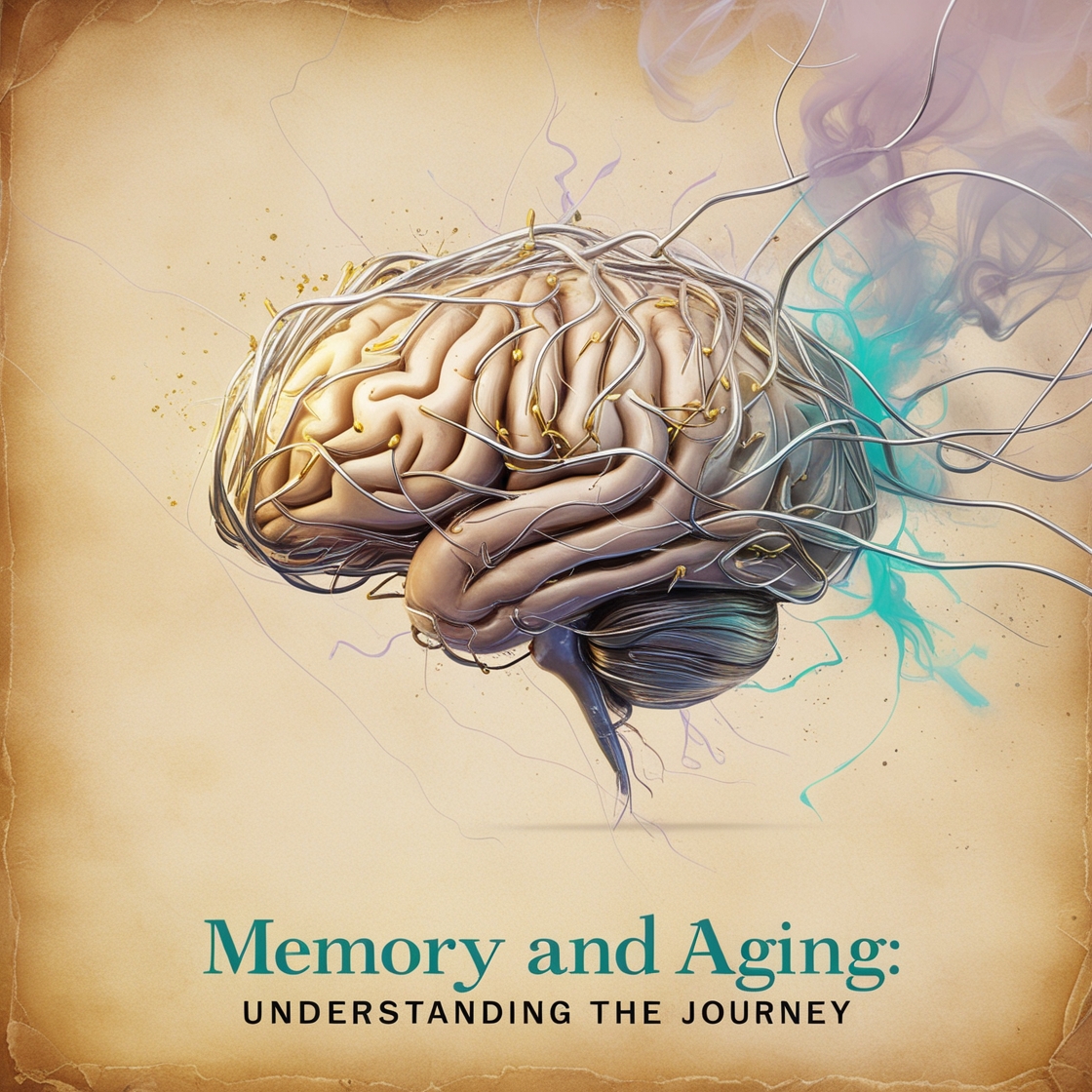
  • Memory and Aging: Understanding the Journey #AI

    Memory and Aging: Understanding the Journey #memory #aging #ai

    Memory and Aging: Understanding the Journey

    As we journey through life, our memories become treasured possessions, linking us to our past and shaping our identity. However, with advancing age, many individuals experience changes in their memory function. This natural process, while sometimes concerning, is a normal part of aging. Understanding these changes can help older adults and their caregivers navigate this new terrain confidently and gracefully. In this short video, we’ll explore the intricacies of memory and aging, discussing common changes, strategies for maintaining cognitive health, and when to seek professional help. By equipping ourselves with knowledge and practical tools, we can embrace this chapter of life with optimism and resilience.

    Normal Memory Changes in Aging

    Slower Processing Speed – As we age, our brain’s ability to process information may slow down. This can result in taking longer to learn new things or recall information. It’s important to note that while the speed may decrease, the ability to understand and remember is still present.

    Mild Forgetfulness – Occasionally forgetting names, appointments, or where you placed items is common. These lapses are usually temporary and don’t significantly impact daily life. The information is typically remembered later or with prompts.

    Difficulty Multitasking – Older adults may find it more challenging to divide attention between multiple tasks. This can lead to feeling overwhelmed in complex situations or environments with many distractions.

    Preserved Long-term Memory – While recent memories might be more challenging to form, long-term memories often remain intact. Older adults often vividly recall events from their youth or important life milestones.

    Strategies for Maintaining Cognitive Health

    Mental Stimulation – Engage in activities that challenge your mind, such as puzzles, learning a new language, or playing strategy games. These activities can help maintain cognitive function and even improve neural connections.

    Physical Exercise – Regular physical activity increases blood flow to the brain, promoting the growth of new brain cells. Aim for a combination of aerobic exercise and strength training to maximize benefits for both body and mind.

    Healthy Diet – A diet rich in fruits, vegetables, whole grains, and lean proteins can support brain health. Omega-3 fatty acids, found in fish and nuts, are particularly beneficial for cognitive function.

    Quality Sleep – Adequate sleep is crucial for memory consolidation and overall brain health. Establish a regular sleep routine and create a relaxing bedtime environment to improve sleep quality.

    When to Seek Professional Help

    Significant Memory Loss – If memory problems begin to interfere with daily activities or safety, it’s time to consult a healthcare professional. This includes frequently forgetting important dates, repeatedly asking the same questions, or getting lost in familiar places.

    Personality Changes – Sudden or dramatic changes in mood, behavior, or personality could indicate an underlying issue. This might include increased anxiety, depression, or uncharacteristic anger outbursts.

    Difficulty with Familiar Tasks – Struggling to complete routine tasks, such as managing finances or following recipes, maybe a sign of cognitive decline that warrants medical attention.

    Language Problems – Persistent difficulty finding the right words, following or joining conversations, or understanding written material could be a sign of cognitive issues that should be evaluated by a healthcare provider.

    I am AI Abigail. Thanks for watching!!