Meditation #Meditation
Category: Buddha
Buddha
-
Buddha Meditation One-Minute
Buddha Meditation One-Minute “Every morning we are born again. What we do today is what matters most.” ~ Buddha
#Buddha #Meditation #OneMinute #BuddhaChiilout
-
The Buddhist Perspective on Depression #AI
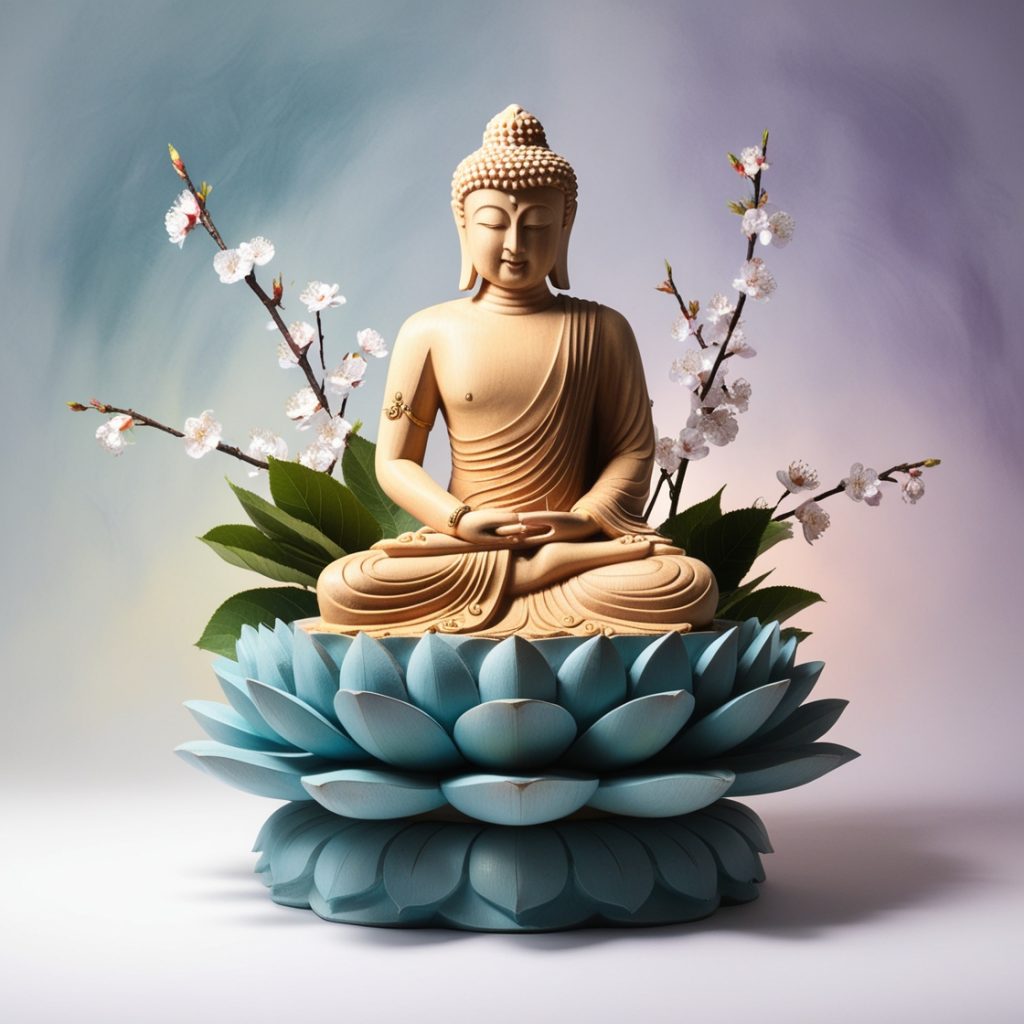
The Buddhist Perspective on Depression
Buddhism offers a unique perspective on depression, emphasizing the importance of mindfulness, acceptance, and cultivating inner peace. Through this lens, depression is seen as a natural part of the human experience, rather than a personal failure or something to be feared.
Understanding the Root Causes
Attachment and Desire
Buddhism teaches that our attachment to material possessions, relationships, and outcomes is a primary cause of suffering, including depression.
Impermanence and Change
The Buddhist view acknowledges that all things, including our mental states, are constantly changing and impermanent, leading to a sense of instability and uncertainty.
Lack of Mindfulness
When we are not present and mindful, we can become overwhelmed by negative thoughts and emotions, contributing to the onset of depression.
The Role of Mindfulness and Meditation
Mindfulness
Cultivating present-moment awareness through mindfulness practices can help individuals observe their thoughts and emotions without judgment, reducing the grip of depression.
Meditation
Engaging in regular meditation can foster a deeper understanding of the nature of the mind, promoting inner calm and clarity.
Breath Awareness
Focusing on the breath can be a powerful tool for grounding oneself in the present moment and reducing anxiety and rumination.
Embracing Impermanence and Non-Attachment
Impermanence
Buddhism teaches that all things, including our emotions and experiences, are transient and constantly changing. Embracing this truth can help individuals let go of the desire for permanence and stability.
Non-Attachment
Cultivating non-attachment allows us to experience our emotions without being overwhelmed by them. This helps prevent us from clinging to positive or negative states, fostering greater emotional resilience.
Acceptance
By accepting the ups and downs of life with compassion, individuals can move away from the struggle against their circumstances and find greater inner peace.
Cultivating Compassion for Oneself and Others
Self-Compassion
Buddhism emphasizes the importance of treating oneself with kindness, understanding, and patience, rather than harsh self-criticism, which can exacerbate depression.
Compassion for Others
Developing a genuine concern for the well-being of others, even amid one’s suffering, can help shift the focus away from self-absorption and foster a sense of interconnectedness.
Loving-Kindness Meditation
This practice involves cultivating feelings of goodwill, compassion, and kindness towards oneself and others, which can have a profound impact on mental and emotional well-being.
Finding Meaning and Purpose in Life
Interconnectedness
Buddhism emphasizes the interconnected nature of all things, which can help individuals feel a sense of belonging and purpose within the larger web of life.
Serving Others
Engaging in acts of service and altruism can provide a sense of meaning and fulfill the human desire to contribute to the well-being of others.
Spiritual Exploration
Delving into the philosophical and spiritual aspects of Buddhism can help individuals discover a deeper understanding of themselves and their place in the universe.
Letting Go
Embracing the Buddhist principle of non-attachment can free individuals from the burden of constantly seeking happiness and fulfillment from external sources.
Integrating Buddhist Practices into Daily Life
Mindfulness
Incorporating mindfulness practices, such as meditation or conscious breathing, into daily routines can help individuals stay grounded and present.
Gratitude
Cultivating a sense of gratitude for the positive aspects of life, no matter how small can counteract the negative thought patterns associated with depression.
Compassion
Regularly engaging in acts of kindness and compassion, even in small ways, can foster a sense of connection and purpose.
Seeking Support and Community in the Dharma
Sangha Finding a community of like-minded individuals who share the Buddhist path can provide a sense of belonging and support.
Spiritual Guidance Seeking the wisdom and guidance of experienced Buddhist teachers or mentors can help individuals navigate the challenges of depression and personal growth.
Retreats and Workshops Participating in Buddhist retreats or workshops can offer opportunities for deep introspection, practice, and connection with the broader Dharma community.
The Buddhist Perspective on Depression -
Buddha 10-Minute Mindful Meditation
Buddha 10-Minute Mindful Meditation #Buddha #Mindul #Meditation #Relaxation “No matter how hard the past, you can always begin again.” – Buddha She settled into a comfortable position, closed her eyes, and focused on her breath. Inhale. Exhale. The soft rustle of leaves filled the air, and the world around her faded away, leaving only the present. Thoughts drifted like clouds in the sky, but she let them pass without holding on. A sense of peace washed over her, like gentle waves lapping at the shore of her mind. With each breath, she felt more grounded, more connected to the universe. Time seemed to slow down, stretching out infinitely in all directions. In this moment of mindful meditation, she found solace and clarity, like a lotus blooming in the stillness of a pond.