Serene Valley of ADUs and Buddha: A Vision for Peaceful Retirement
Imagine a world where the serenity of the Himalayas meets sustainable, modern living. This breathtaking image captures that vision, blending the awe-inspiring power of nature with human ingenuity and spiritual presence. Picture a lush green valley, fed by a crystal-clear river flowing beneath a futuristic, gracefully arched bridge. This is a land where tradition meets innovation.
In the foreground, a vibrant vegetable garden bursts with life, a testament to the region’s fertile land and the self-sufficiency of its inhabitants. Nestled amidst this verdant landscape are charming, single-story homes – modern two-bedroom accessory dwelling units (ADUs) thoughtfully designed for senior citizens. These aren’t just houses; they’re havens of comfort and independence, seamlessly integrated into the surrounding natural beauty. You will find yourself asking “How does this balance exist in our world?”
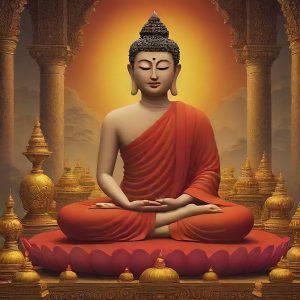
Look beyond the homes, and you will be greeted with a familiar sight. The majestic, snow-covered peak of Machapuchare rises proudly in the background, a reminder of the enduring power and timelessness of the natural world. And towering above it all, in a breathtaking display of spiritual grace, a colossal 30,000-foot tall golden Shakyamuni Buddha meditates peacefully. His serene presence casts a benevolent light upon the valley, symbolizing peace, enlightenment, and the interconnectedness of all things.
This image invites us to consider how we can build a future that embraces both technological advancement and spiritual well-being. It explores the concept of sustainability. It makes us challenge our assumptions regarding spiritual development. This shows our ability to live in harmony with the environment. This is not a question of either-or, but a vision of a thriving society that honors its past while embracing a brighter tomorrow.
Observe this, and ask questions of your existence.
What kind of message is this work bringing you?
Does it evoke a sense of hope?
Does it trigger a memory?
This image prompts a consideration of how ADUs and senior living can be incorporated into the most beautiful landscapes in the world. From that meditation, the idea of Nepastery was born.
The Buddha’s original teachings on what happens after death are nuanced and often misunderstood. He didn’t offer a simple, definitive answer like “heaven” or “hell.” Instead, his teachings focus on the process of rebirth (reincarnation) within the cycle of samsara (the cycle of birth, death, and rebirth driven by karma). Here’s a breakdown:
Key Concepts:
Anatta (No-Self): This is a core concept. The Buddha taught that there is no permanent, unchanging “self” or soul (atman) that transmigrates from one life to the next. What we perceive as “self” is a constantly changing collection of physical and mental phenomena (the five skandhas).
Rebirth (Punabbhava): The Buddha accepted the idea of rebirth as a continuous process, but not as the transmigration of a fixed soul. Instead, it’s the continuation of a stream of consciousness or mental continuum. This continuum is shaped by:
Karma (Action): Our actions (both physical and mental) create karmic imprints or seeds. These karmic seeds influence future experiences, including the next life. Good actions lead to positive consequences, while negative actions lead to negative consequences.
Dependent Origination (Paticcasamuppada): This complex doctrine explains how all phenomena arise in dependence on other factors. Rebirth is seen as part of this interconnected web of cause and effect. It’s not a random event, but the result of past actions and mental states.
Samsara (Cycle of Rebirth): The cycle of birth, death, and rebirth is driven by ignorance, craving, and aversion. Beings are reborn into different realms (e.g., human, animal, heavenly realms, hell realms) based on their karma.
Nirvana (Liberation): The ultimate goal is to escape the cycle of samsara by eliminating ignorance, craving, and aversion, thereby achieving Nirvana (liberation, enlightenment). When someone who has achieved Nirvana dies, they are not reborn.
What Happens at Death (According to Buddhist Teachings):
The Body Decays: The physical body ceases to function.
The Five Skandhas Dissolve: The elements that make up our sense of self (form, sensation, perception, mental formations, and consciousness) break apart.
The Karmic Energy Continues: The karmic seeds created by past actions remain.
Rebirth Occurs (Generally): Based on the accumulated karma, a new existence arises, influenced by those past actions. The nature of the rebirth (the realm, the circumstances) is determined by the quality of the accumulated karma.
No Eternal Heaven or Hell (Generally): While some Buddhist traditions describe different realms of existence (including heavenly and hellish realms), these are not seen as eternal destinations. They are temporary states within the cycle of samsara.
Key Points to Remember:
Emphasis on Process, Not Entity: The Buddha focused on the process of rebirth rather than the existence of a permanent soul.
Responsibility for Actions: The teachings on karma emphasize personal responsibility for one’s actions and their consequences.
Escape from Suffering: The ultimate goal is to break free from the cycle of suffering by achieving Nirvana.
Different Interpretations: Different Buddhist traditions may have slightly different interpretations of these concepts.
In short, the Buddha’s teachings on life after death emphasize the impermanence of all things, the power of karma, and the possibility of liberation from suffering. He didn’t offer a simple answer, but rather a path to understanding the nature of reality and achieving lasting peace.
Disclaimer: AI-generated content. AI tools can make mistakes, so double-check them.
Boudhanath Stupa: A Majestic Buddhist Landmark in Kathmandu, Nepal
Nestled in the heart of Kathmandu, Nepal, Boudhanath Stupa stands as a towering symbol of Buddhist faith and a testament to the rich cultural heritage of the region. This iconic stupa, one of the largest in the world, is a revered pilgrimage site for Buddhists from across the globe, attracting thousands of visitors each year. With its majestic white dome, piercing golden spire, and intricate prayer wheels, Boudhanath Stupa is a visual spectacle that captivates the senses.
History and Significance of Boudhanath Stupa
Ancient Origins
The origins of Boudhanath Stupa can be traced back to the 5th century AD, during the Lichchhavi dynasty. It is believed that the stupa was originally built as a burial mound for a king who embraced Buddhism.
Tibetan Influence
The stupa’s significance grew during the 14th century with the arrival of Tibetan Buddhists, who established monasteries and communities around the stupa, making it a center for Tibetan Buddhism in Nepal.
Modern Era
Today, Boudhanath Stupa remains a vital spiritual hub for Tibetan Buddhists. It serves as a place of worship, meditation, and learning. The stupa is also a symbol of peace and harmony, reflecting the importance of interfaith dialogue and cultural exchange.
Architectural Marvels of the Stupa
The Dome
The stupa’s massive white dome, symbolizing enlightenment, serves as the central element of the structure. It is constructed with brick and plastered with whitewash, offering a sense of purity and serenity.
The Spire
Rising above the dome is a towering spire adorned with 13 tiers, each representing a different stage on the path to enlightenment. These tiers are richly decorated with intricate carvings and golden ornaments. The spire culminates in a golden pinnacle, symbolizing the attainment of enlightenment.
The Eyes
Four pairs of watchful eyes, representing the Buddha’s all-seeing gaze, are painted on the dome’s base. These eyes serve as a reminder of the Buddha’s wisdom and compassion, watching over all beings.
Spiritual Practices and Rituals at Boudhanath
Kora
Circumambulation, or kora, is a significant spiritual practice performed by devotees. It involves walking around the stupa in a clockwise direction, reciting mantras and spinning prayer wheels.
Prayer Wheels
Prayer wheels are cylindrical drums containing inscribed mantras. By spinning the wheels, devotees accumulate merit and blessings. They are often seen placed along the periphery of the stupa.
Tibetan Buddhism
Boudhanath is a significant center for Tibetan Buddhism, with numerous monasteries and prayer halls located around the stupa. Many pilgrims come to Boudhanath to engage in meditation, study, and receive teachings from Tibetan lamas.
The Vibrant Tibetan Buddhist Community
Monasteries
Around the stupa, there are numerous Tibetan monasteries, such as the Boudhanath Monastery, the Namgyal Monastery, and the Chokhor Ling Monastery, which serve as centers of learning and religious practice for Tibetan Buddhists.
Prayer Flags
The area surrounding the stupa is adorned with vibrant Tibetan prayer flags, which are believed to carry prayers and blessings on the wind.
Prayer Wheels
Devotees can be seen spinning prayer wheels throughout the day, reciting mantras and accumulating merit.
Community Gatherings
The stupa is often the focal point for community gatherings, festivals, and cultural events, strengthening the bonds between Tibetan Buddhists in Nepal.
Exploring the Surrounding Monasteries and Shops
Boudhanath Monastery
Located on the western side of the stupa, this monastery houses a large prayer hall and numerous prayer wheels, offering a tranquil space for meditation and reflection.
Namgyal Monastery
Founded in the 17th century, this monastery is known for its exquisite murals and sculptures, depicting scenes from Buddhist mythology and history. It also offers a variety of Tibetan Buddhist teachings and practices.
Local Shops
The area surrounding the stupa is a vibrant marketplace, offering a wide variety of goods, including Tibetan handicrafts, souvenirs, and religious items. You can find everything from prayer wheels and prayer flags to jewelry and traditional clothing.
Boudhanath Stupa’s Importance in Nepali Culture
Symbol of Peace
Boudhanath Stupa represents peace, harmony, and spiritual enlightenment. It is a place where people from different cultures and faiths can come together in unity and understanding.
Cultural Heritage
The stupa is a symbol of Nepal’s rich cultural heritage, embodying the country’s history, religious traditions, and artistic expressions. It serves as a reminder of the country’s strong connection to Buddhism and the importance of preserving cultural traditions.
Tourist Attraction
Boudhanath Stupa is one of the most popular tourist destinations in Nepal, attracting visitors from all over the world. It offers a glimpse into Nepali culture and spirituality, inspiring visitors to explore the beauty and depth of Buddhist teachings.
Visiting Boudhanath Stupa: Tips and Experiences
Respectful Attire
Wear modest clothing, covering your shoulders and knees, when visiting the stupa, as a sign of respect for Buddhist traditions.
Circumbulation
Walk around the stupa in a clockwise direction, following the traditional practice of kora, while reciting mantras or simply enjoying the peaceful atmosphere.
Photography
While photography is allowed, be respectful of the sacred space and avoid taking photos of people without their permission.
Donations
Consider making a donation to the stupa or one of the surrounding monasteries to support their ongoing preservation and religious activities.
Self-compassion is the ability to treat yourself with kindness, understanding, and acceptance, especially when you’re struggling. It’s about recognizing that you’re not alone in your experiences, that everyone makes mistakes, and that it’s okay to be imperfect. Self-compassion is a powerful tool for emotional well-being and can help you navigate life’s challenges with greater resilience and strength.
Understanding the Importance of Self-Compassion
Self-compassion is essential for emotional well-being. When we are kind to ourselves, we reduce stress, anxiety, and depression. We also become more resilient in the face of challenges and setbacks. Self-compassion helps us to move forward from difficult experiences and to learn from our mistakes.
Reduced Stress
Self-compassion helps to alleviate stress by offering a sense of comfort and support. Instead of criticizing ourselves, we can approach our difficulties with understanding and kindness, fostering a calmer and more peaceful state of mind.
Increased Resilience
When we treat ourselves with compassion, we build a foundation of strength and resilience. We’re better able to cope with setbacks and challenges, knowing that we are capable of overcoming difficulties.
Enhanced Self-Esteem
Self-compassion cultivates a positive self-image. By accepting our imperfections and recognizing our inherent worth, we foster a sense of self-acceptance that promotes greater self-esteem.
Improved Relationships
Self-compassion can enhance our relationships with others. When we treat ourselves with kindness, we are more likely to extend that same kindness to others, fostering more positive and fulfilling connections.
Recognizing Self-Critical Thoughts
Self-critical thoughts are often automatic and ingrained, making them difficult to identify at first. These thoughts can be harsh, judgmental, and can leave you feeling discouraged and inadequate. To recognize self-critical thoughts, pay attention to your inner voice and notice when you are:
Overly Hard On Yourself
Do you constantly put pressure on yourself to be perfect? Do you set unrealistic expectations for yourself?
Focusing on Your Flaws
Do you fixate on your mistakes, shortcomings, or perceived failures? Do you compare yourself negatively to others?
Using Negative Language
Do you use harsh words or phrases like “I’m a failure” or “I’m so stupid”? Do you feel guilty or ashamed of your mistakes?
Practicing Self-Kindness
Self-kindness involves treating yourself with the same compassion and understanding that you would offer a loved one. When you are struggling, try to:
Acknowledge Your Pain
Don’t try to suppress or ignore your feelings. Allow yourself to experience your emotions fully without judgment.
Offer Words of Encouragement
Talk to yourself in a compassionate and supportive way. Imagine offering words of kindness and support to a close friend who is going through a difficult time.
Practice Self-Soothing
Engage in activities that bring you comfort and relaxation. This could involve taking a warm bath, listening to calming music, or spending time in nature.
Embracing Imperfection
Self-compassion accepts that mistakes are a part of life and that everyone makes them. It’s about acknowledging our limitations and recognizing that we don’t have to be perfect to be worthy of love and acceptance. Try to:
Challenge Perfectionistic Thinking
Notice when you are striving for unrealistic perfection. Acknowledge that perfection is an unattainable ideal.
Focus on Your Strengths
Celebrate your accomplishments and recognize the positive aspects of your life and personality.
Accept Your Flaws
Acknowledge your imperfections as part of what makes you unique and human. Instead of trying to change them, accept them and learn to love yourself for who you are.
Cultivating Mindfulness
Mindfulness is the practice of paying attention to the present moment without judgment. This can help you become more aware of your thoughts, feelings, and sensations, which can lead to greater self-compassion. You can practice mindfulness through:
Meditation
Meditation involves focusing on your breath or a specific object to quiet the mind and become more aware of the present moment.
Mindful Breathing
Pay attention to each inhale and exhale, noticing the sensations of your breath as it enters and leaves your body.
Body Scan
Bring your attention to different parts of your body, noticing any sensations without judgment.
Mindful Walking
Pay attention to the sensations of your feet on the ground, the movement of your body, and the surroundings.
Building Resilience Through Self-Compassion
Self-compassion can help you build resilience, enabling you to cope with challenges and setbacks with greater ease. When you are faced with adversity, try to:
Self-Criticism Self-Compassion
Focusing on your failures Acknowledging your efforts and learning from mistakes
Blaming yourself for setbacks Recognizing that mistakes are part of the learning process
Feeling isolated and alone Remembering that everyone faces challenges and that you’re not alone
Incorporating Self-Compassion into Daily Life
Self-compassion is a skill that can be cultivated and strengthened over time. It’s about making a conscious effort to treat yourself with kindness, understanding, and acceptance on a daily basis. Here are some ways to incorporate self-compassion into your daily life:
Practice Self-Kindness
Start each day with a positive affirmation or a kind thought for yourself. When you notice negative self-talk, try to replace it with a more compassionate response.
Cultivate Mindfulness
Engage in mindfulness practices such as meditation, mindful breathing, or body scans to become more aware of your thoughts and feelings without judgment.
Embrace Imperfection
Recognize that you’re not perfect and that’s okay. Celebrate your strengths and accept your weaknesses.
Seek Support
Don’t hesitate to seek support from loved ones, therapists, or support groups when you’re struggling. Surround yourself with people who care about you and offer you encouragement.
Buddhism is a spiritual tradition that originated in India and emphasizes the pursuit of enlightenment. It focuses on eliminating suffering through the understanding of the nature of reality and the practice of compassion.
The Four Noble Truths
Suffering
Life is inherently characterized by suffering, from physical pain to mental distress.
The Cause of Suffering
Suffering arises from attachment, craving, and ignorance.
The Cessation of Suffering
Suffering can be overcome by eliminating attachment and ignorance.
The Path to Cessation
The path to overcome suffering is the Eightfold Path, a set of ethical guidelines and mental disciplines.
The Eightfold Path
Right Understanding
Comprehending the Four Noble Truths and the nature of reality.
Right Thought
Cultivating thoughts that are free from greed, hatred, and delusion.
Right Speech
Speaking truthfully, constructively, and compassionately.
Right Action
Acting ethically, avoiding harmful deeds and cultivating beneficial ones.
Right Livelihood
Engaging in work that does not harm oneself or others.
Right Effort
Making conscious efforts to cultivate positive qualities and abandon negative ones.
Right Mindfulness
Paying attention to the present moment with clarity and non-judgment.
Right Concentration
Developing focus and stability of mind, leading to deeper understanding and insight.
The Concept of Compassion
Compassion, in Buddhism, is a deep understanding of the suffering of all sentient beings. It is a desire to alleviate their suffering and help them find happiness. Compassion is not simply pity; it is a transformative force that motivates us to act with kindness and empathy.
Practicing Compassion in Daily Life
Kindness
Treat others with kindness and consideration, offering support when needed.
Patience
Cultivate patience and understanding in dealing with difficult situations and people.
Forgiveness
Release resentment and anger towards yourself and others, practicing forgiveness and reconciliation.
Gratitude
Practice gratitude for the good things in your life, fostering a sense of appreciation and contentment.
Self-compassion involves treating yourself with kindness, understanding, and acceptance. This means acknowledging your flaws and mistakes without judgment, offering yourself support and encouragement during challenging times.
Compassion Towards Others
Compassion for others involves recognizing their suffering and offering assistance. It means extending kindness and understanding to those who are struggling, regardless of their background or actions. This includes showing empathy towards people who may be different from us, who may have differing beliefs or lifestyles, or who may have made mistakes.
The Benefits of Cultivating Compassion
Reduced Stress and Anxiety
Cultivating compassion reduces stress and anxiety by promoting a sense of connection and purpose.
Improved Relationships
Compassion leads to more harmonious and fulfilling relationships by fostering understanding and empathy.
Greater Happiness and Well-being
Compassion helps to create a more positive outlook on life, promoting happiness and a sense of well-being.
Inner peace is a state of calmness, contentment, and tranquility within oneself. It is a profound sense of emotional and spiritual well-being that transcends the ups and downs of daily life. Achieving inner peace is a journey of self-discovery, personal growth, and the cultivation of mindfulness and self-awareness. By embracing this journey, we can find the clarity, resilience, and fulfillment to navigate the complexities of modern life with grace and serenity.
Understanding the Concept of Inner Peace
Definition
Inner peace is a state of being in which an individual experiences a deep sense of calm, contentment, and harmony within their mind, body, and spirit. It is a state of emotional and mental well-being that transcends external circumstances and distractions.
Benefits
Cultivating inner peace can have far-reaching benefits for an individual’s overall well-being. It can reduce stress and anxiety, improve emotional regulation, enhance focus and clarity, and foster a greater sense of purpose and meaning in life.
Pathways
Some various pathways and practices can help individuals achieve and maintain inner peace, such as mindfulness meditation, self-reflection, cultivating gratitude, and engaging in meaningful activities that align with one’s values.
Mindfulness and Meditation Practices
Awareness
Mindfulness is being present and attentive to the current moment, without judgment or attachment. It involves developing a keen awareness of one’s thoughts, emotions, and physical sensations.
Concentration
Meditation is a practice that cultivates sustained focus and concentration, typically by directing attention to the breath or a specific object or mantra. Regular meditation can help individuals become more grounded and centered.
Equanimity
Through mindfulness and meditation, individuals can develop a sense of stability, which is the ability to remain calm and balanced in the face of life’s challenges and uncertainties. This helps foster inner peace and resilience.
Cultivating Self-Awareness
Understand Your Emotions
Developing self-awareness involves the ability to recognize and understand your own emotions, their triggers, and how they influence your thoughts and behaviors. This can help you respond to challenges with greater emotional maturity and self-regulation.
Identify Your Values
Reflecting on your core values and aligning your actions with them can provide a sense of purpose and direction, which can contribute to a greater understanding of inner peace and fulfillment.
Embrace Self-Acceptance
Practicing self-acceptance, rather than harsh self-criticism, can help you cultivate a more compassionate and forgiving attitude towards yourself, which is essential for inner peace.
Seek Self-Improvement
Continuously striving for personal growth and self-improvement, while maintaining a balanced perspective, can help you become the best version of yourself and find a deeper sense of inner peace.
Letting Go of Negative Emotions
Recognize and Acknowledge
The first step in letting go of negative emotions is to recognize and acknowledge them. This involves being mindful of your emotional experiences and understanding the root causes of these feelings.
Practice Acceptance
Accepting your negative emotions, rather than suppressing or avoiding them, can help you healthily process them and prevent them from becoming overwhelming or destructive.
Reframe and Reinterpret
Reframing and reinterpreting your negative emotions can help you gain a more constructive perspective and find ways to transform these feelings into opportunities for growth and personal development.
Engage in Healthy Coping Strategies
Cultivating healthy coping strategies, such as journaling, exercise, or seeking support from others, can help you process and constructively release negative emotions.
Embracing Gratitude and Positivity
Gratitude
Cultivating a sense of gratitude for the blessings and positive experiences in your life can help shift your mindset from one of scarcity and negativity to one of abundance and appreciation.
Positive Thinking
Practicing positive thinking and maintaining an optimistic outlook can help you focus on the good in your life, build resilience, and foster a greater sense of inner peace and well-being.
Mindfulness
Incorporating mindfulness practices into your daily routine can help you stay present, appreciate the little moments, and cultivate a deeper sense of inner peace and contentment.
Personal Development
Engaging in personal development activities, such as learning new skills or pursuing meaningful goals, can contribute to a sense of purpose and fulfillment, which are essential for inner peace.
Balancing Work, Life, and Relationships
Prioritize Self-Care
Engaging in regular self-care practices, such as getting enough sleep, eating a healthy diet, and taking breaks, can help you maintain your physical and emotional well-being, which is essential for achieving inner peace.
Set Boundaries
Establishing healthy boundaries in your relationships and work life can help you prevent burnout, manage stress, and create more space for the activities and people that truly nourish your inner peace.
Nurture Connections
Fostering meaningful connections with loved ones, engaging in social activities, and cultivating a sense of community can provide a sense of belonging and support that contribute to inner peace.
Achieving a Peaceful and Fulfilling Life
Mindfulness Cultivating present-moment awareness and a non-judgmental attitude can help you find peace in the here and now.
Self-Acceptance Embracing your authentic self, with all its imperfections, can foster a greater sense of inner peace and self-love.
Purpose Discovering and aligning your life’s purpose with meaningful activities can provide a sense of fulfillment and inner peace.
Balance Maintaining a healthy balance between work, relationships, and personal well-being can contribute to a peaceful and fulfilling life.
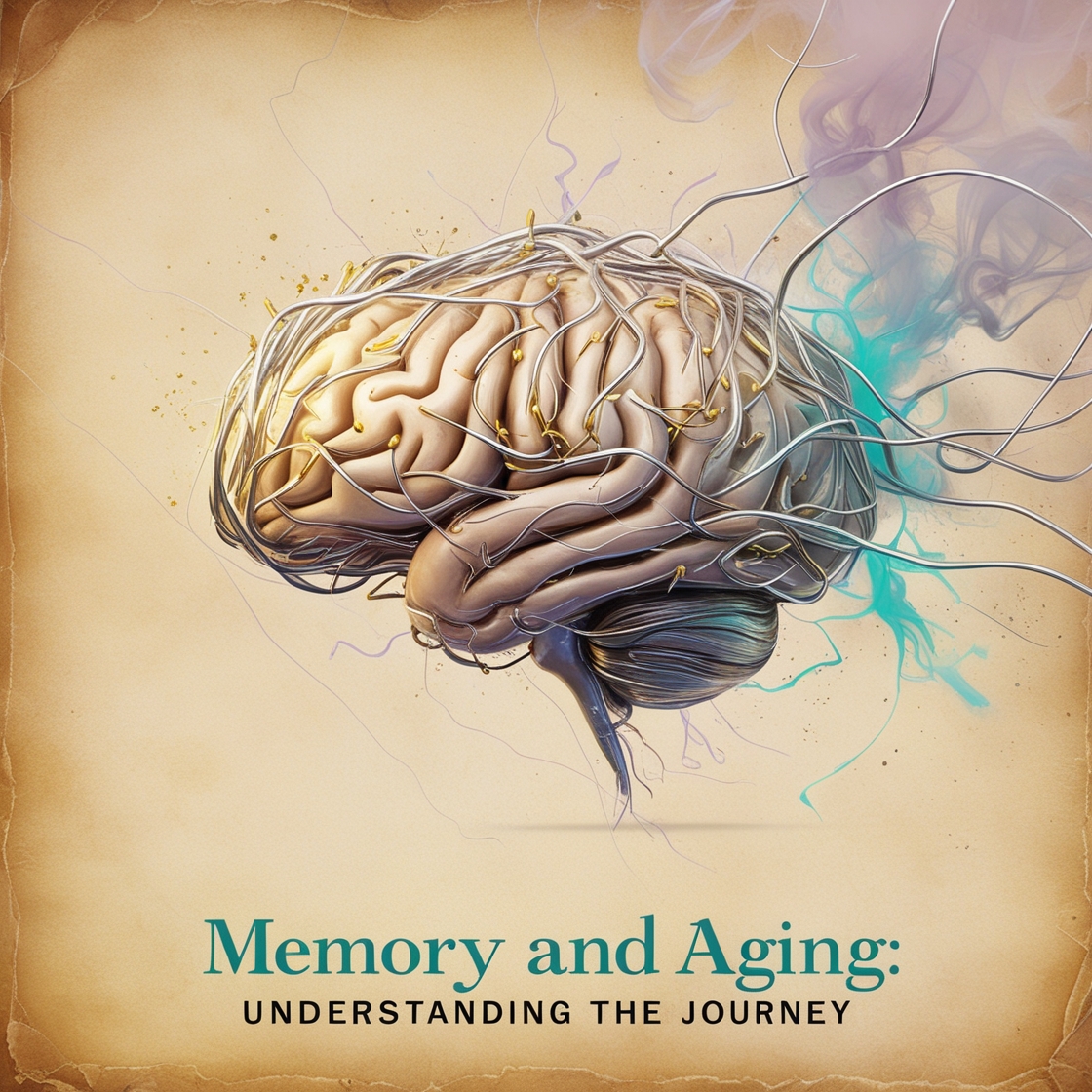
Memory and Aging: Understanding the Journey #memory #aging #ai
Memory and Aging: Understanding the Journey
As we journey through life, our memories become treasured possessions, linking us to our past and shaping our identity. However, with advancing age, many individuals experience changes in their memory function. This natural process, while sometimes concerning, is a normal part of aging. Understanding these changes can help older adults and their caregivers navigate this new terrain confidently and gracefully. In this short video, we’ll explore the intricacies of memory and aging, discussing common changes, strategies for maintaining cognitive health, and when to seek professional help. By equipping ourselves with knowledge and practical tools, we can embrace this chapter of life with optimism and resilience.
Normal Memory Changes in Aging
Slower Processing Speed – As we age, our brain’s ability to process information may slow down. This can result in taking longer to learn new things or recall information. It’s important to note that while the speed may decrease, the ability to understand and remember is still present.
Mild Forgetfulness – Occasionally forgetting names, appointments, or where you placed items is common. These lapses are usually temporary and don’t significantly impact daily life. The information is typically remembered later or with prompts.
Difficulty Multitasking – Older adults may find it more challenging to divide attention between multiple tasks. This can lead to feeling overwhelmed in complex situations or environments with many distractions.
Preserved Long-term Memory – While recent memories might be more challenging to form, long-term memories often remain intact. Older adults often vividly recall events from their youth or important life milestones.
Strategies for Maintaining Cognitive Health
Mental Stimulation – Engage in activities that challenge your mind, such as puzzles, learning a new language, or playing strategy games. These activities can help maintain cognitive function and even improve neural connections.
Physical Exercise – Regular physical activity increases blood flow to the brain, promoting the growth of new brain cells. Aim for a combination of aerobic exercise and strength training to maximize benefits for both body and mind.
Healthy Diet – A diet rich in fruits, vegetables, whole grains, and lean proteins can support brain health. Omega-3 fatty acids, found in fish and nuts, are particularly beneficial for cognitive function.
Quality Sleep – Adequate sleep is crucial for memory consolidation and overall brain health. Establish a regular sleep routine and create a relaxing bedtime environment to improve sleep quality.
When to Seek Professional Help
Significant Memory Loss – If memory problems begin to interfere with daily activities or safety, it’s time to consult a healthcare professional. This includes frequently forgetting important dates, repeatedly asking the same questions, or getting lost in familiar places.
Personality Changes – Sudden or dramatic changes in mood, behavior, or personality could indicate an underlying issue. This might include increased anxiety, depression, or uncharacteristic anger outbursts.
Difficulty with Familiar Tasks – Struggling to complete routine tasks, such as managing finances or following recipes, maybe a sign of cognitive decline that warrants medical attention.
Language Problems – Persistent difficulty finding the right words, following or joining conversations, or understanding written material could be a sign of cognitive issues that should be evaluated by a healthcare provider.