Dhulikhel is a popular destination for local tourists. Visitors can enjoy a favorable climate and explore various villages and scenic spots in and around Dhulikhel, providing a unique experience. One of the main attractions of Dhulikhel is the superb view of mountains, lush green forests, and surrounding rural settlements from the city. Additionally, the area offers picturesque trekking trails, allowing tourists to immerse themselves in its majestic natural beauty.
Gunyo Cholo Ceremony: A Nepalese Cultural Tradition
The Gunyo Cholo ceremony is a vibrant and deeply meaningful cultural tradition in Nepal, rooted in the rich heritage of the Himalayan nation. This annual event celebrates the transition of young girls into womanhood, marking a significant milestone in their lives with a series of sacred rituals and festivities. At the heart of the Gunyo Cholo lies a profound appreciation for Nepal’s ancestral customs, underscoring the importance of preserving the nation’s cultural identity in the face of modernization.
Origins and Significance of the Gunyo Cholo Ceremony
Centuries-Old Tradition
The Gunyo Cholo ceremony has been a cherished part of Nepalese culture for generations, with its origins tracing back to ancient times. It is deeply woven into the fabric of Nepalese society, reflecting the country’s reverence for the sacred and its commitment to upholding traditional values.
Honoring Womanhood
At its core, the Gunyo Cholo ceremony is a celebration of womanhood, recognizing the transformative journey of young girls as they transition into adulthood. The rituals and festivities that take place during this event symbolize the strength, resilience, and wisdom that women possess, making it a profoundly meaningful experience for both the participants and their communities.
Community Cohesion
The Gunyo Cholo ceremony also serves as a powerful unifying force within Nepalese communities. It brings together families, friends, and neighbors to share in the joy and reverence of this cultural tradition, fostering a deep sense of belonging and strengthening the bonds that tie the community together.
Key Rituals and Practices of the Gunyo Cholo Ceremony
Purification Rituals
The Gunyo Cholo ceremony begins with a series of purification rituals, where the young girls undergo a cleansing process to prepare them for the sacred rites that follow. These rituals are believed to remove any impurities or negative energies, ensuring that the girls are ready to embrace their new status as women.
Dressing the Gunyo Cholo
A centerpiece of the ceremony is the dressing of the gunyo cholo, a traditional Nepalese garment worn by the girls. This process is performed with great care and reverence, as the girls are adorned in vibrant, intricately designed fabrics that symbolize their newfound status.
Ceremonial Blessings
The ceremony culminates in a series of ceremonial blessings, where elders and community leaders bestow their wisdom and good wishes upon the young girls. These blessings are believed to confer protection, prosperity, and guidance as the girls embark on their journey into womanhood.
The Importance of Preserving Nepalese Cultural Heritage
Tradition
The Gunyo Cholo ceremony is a testament to the enduring strength of Nepalese cultural traditions, which have been passed down through generations. Preserving these customs is crucial in maintaining the unique identity and diversity of Nepal’s rich heritage.
Community
Events like the Gunyo Cholo ceremony play a vital role in bringing Nepalese communities together, fostering a sense of belonging and shared identity. Safeguarding these traditions ensures that the bonds that tie communities together remain strong and vibrant.
Identity
Nepal’s cultural heritage, embodied in ceremonies like the Gunyo Cholo, is a source of immense pride and a vital component of the nation’s identity. Preserving these traditions is essential in ensuring that future generations of Nepalis can continue to connect with their roots and share in the richness of their ancestral legacy.
Bhaktapur, often referred to as the “City of Devotees,” is one of the three major cities that make up the Kathmandu Valley in Nepal. Steeped in rich history and cultural heritage, Bhaktapur is a captivating destination that offers visitors a glimpse into the country’s ancient traditions and architectural marvels. From its well-preserved Newari architecture to its vibrant festivals and age-old crafts, Bhaktapur is a true gem that continues to enchant and inspire all who visit.
Historical Significance
Vibrant Past
Bhaktapur’s history dates back to the 12th century when it served as the capital of the Malla Kingdom. During this time, the city flourished as a center of art, culture, and commerce, with the construction of numerous ornate temples, palaces, and public squares that still stand today.
Cultural Crossroads
Strategically located at the intersection of major trade routes, Bhaktapur was a hub for the exchange of ideas, goods, and cultural influences. This rich history is reflected in the city’s architecture, which blends Newari, Hindu, and Buddhist elements, creating a truly unique and captivating aesthetic.
Resilience
Despite facing numerous challenges over the centuries, including natural disasters and political upheavals, Bhaktapur has remained a resilient and vibrant city, preserving its cultural heritage and traditions for future generations to enjoy.
Architectural Marvels
Newari Architecture
Bhaktapur is renowned for its well-preserved Newari architecture, which is characterized by ornate wooden carvings, intricate brick work, and sloping tile roofs. These structures, many of which date back to the 15th and 16th centuries, are a testament to the skill and craftsmanship of the Newari people.
Temple Complexes
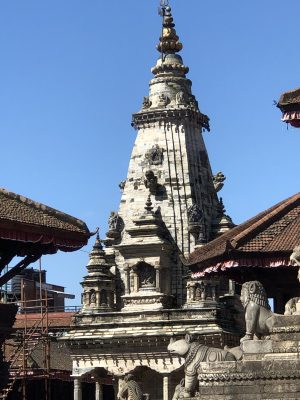
The city is home to numerous temple complexes, such as the Nyatapola Temple, which stand as impressive examples of Nepalese religious architecture. These structures, adorned with intricate carvings and ornaments, are not only places of worship but also important cultural landmarks that attract visitors from around the world.
Urban Planning
Bhaktapur’s urban layout, with its winding alleys, courtyards, and public squares, reflects a well-thought-out planning system that prioritized community life and social interaction. This careful design has helped preserve the city’s unique character and atmosphere, making it a truly immersive and unforgettable experience for visitors.
Durbar Square
Royal Palace
The centerpiece of Bhaktapur’s Durbar Square is the impressive 15th-century royal palace, which served as the seat of power for the Malla kings. This grand structure, adorned with intricate carvings and ornaments, is a testament to the architectural and artistic prowess of the Newari people.
Taleju Temple
Towering over the Durbar Square, the Taleju Temple is one of the most important religious sites in Bhaktapur. This five-roofed pagoda-style temple, dedicated to the Hindu goddess Taleju, is a stunning example of Nepalese religious architecture and a must-see for visitors to the city.
Public Courtyards
Surrounding the royal palace and temples are a series of public courtyards and squares, where locals and visitors alike gather to socialize, shop, and participate in the city’s vibrant cultural events and festivals. These spaces are the heart of Bhaktapur, showcasing the community’s rich traditions and way of life.
Pottery and Crafts
Pottery
Bhaktapur is renowned for its traditional pottery-making, a craft that has been passed down through generations of Newari artisans. Visitors can witness skilled potters creating intricate, hand-crafted pieces using centuries-old techniques, and even try their hand at the potter’s wheel.
Woodcarving
The city’s Newari artisans are also renowned for their exceptional woodcarving skills, producing elaborately decorated doors, windows, and other architectural elements that adorn the city’s historic buildings and temples.
Thanka Painting
Bhaktapur is home to a thriving tradition of Thanka painting, a unique form of Tibetan Buddhist art that features intricate, colorful depictions of deities, mandalas, and spiritual symbols. These paintings are not only works of art but also important religious objects.
Metalwork
The city’s artisans also excel in the art of metalwork, crafting a wide range of decorative and functional items, from incense burners and bells to intricate statues and jewelry. These pieces showcase the incredible skill and attention to detail of Bhaktapur’s craftspeople.
Festivals and Celebrations
Bisket Jatra
Bhaktapur’s most famous festival, Bisket Jatra, is a vibrant celebration that marks the Newari New Year. The festival features colorful processions, traditional dances, and the dramatic “Tug of War” event, which symbolizes the battle between good and evil.
Gai Jatra
The Gai Jatra festival, also known as the “Festival of Cows,” is a celebration of life and death. During the festival, participants dress up in masks and costumes, and parade through the streets to honor those who have passed away in the previous year.
Dashain
Bhaktapur also plays host to the Dashain festival, one of the most important Hindu festivals in Nepal. During this time, the city comes alive with vibrant celebrations, elaborate rituals, and the exchange of blessings and gifts between family and community members.
Newari Culture
Vibrant Traditions
The Newari people, who make up the majority of Bhaktapur’s population, have a rich and vibrant cultural heritage that is deeply rooted in the city’s history. From their distinctive architectural styles to their traditional festivals and celebrations, the Newari people have played a vital role in shaping the unique character of Bhaktapur.
Language and Cuisine
The Newari language, a unique and complex tongue, is the primary language spoken in Bhaktapur. The city is also renowned for its traditional Newari cuisine, which features a wide variety of savory and sweet dishes, many of which are prepared using ancient recipes and techniques.
Community Life
At the heart of Newari culture is a strong sense of community and shared identity. Bhaktapur’s residents take great pride in their heritage and work together to preserve their traditions, ensuring that the city’s unique character and way of life are passed down to future generations.
Sustainable Tourism
Responsible Travel
Bhaktapur has embraced a model of sustainable tourism, which aims to preserve the city’s cultural and environmental resources while providing economic opportunities for its residents. Visitors are encouraged to engage in eco-friendly practices, such as using public transportation and supporting local businesses.
Community Involvement
The local community plays a central role in Bhaktapur’s sustainable tourism efforts, with residents actively participating in the preservation and promotion of their cultural heritage. This involvement helps ensure that the benefits of tourism are shared equitably and that the city’s unique character is maintained.
Conservation Initiatives
Bhaktapur has also implemented a range of conservation initiatives, such as the restoration of historic buildings and the promotion of traditional crafts and techniques. These efforts help to safeguard the city’s heritage while also creating economic opportunities for local artisans and businesses.
Challenges and Preservation
Natural Disasters
Bhaktapur has faced numerous challenges over the years, including the devastating earthquakes that have struck the Kathmandu Valley. These natural disasters have caused significant damage to the city’s historic buildings and infrastructure, underscoring the need for ongoing preservation and restoration efforts.
Urbanization and Development
As Bhaktapur’s popularity as a tourist destination has grown, so too have the pressures of urban development and modernization. Striking a balance between progress and the preservation of the city’s cultural heritage is an ongoing challenge that requires careful planning and community engagement.
Conservation Efforts
Fortunately, Bhaktapur has a strong commitment to preservation, with local authorities, heritage organizations, and community members working together to safeguard the city’s historic buildings, traditional crafts, and cultural practices. These conservation efforts are crucial to ensuring that Bhaktapur’s unique identity and legacy are passed down to future generations.
Conclusion and Recommendations
Enduring Legacy
Bhaktapur is a city that has endured the test of time, preserving its rich cultural heritage and architectural wonders for centuries. Its enduring legacy is a testament to the resilience and ingenuity of the Newari people, who have dedicated themselves to safeguarding their unique identity and way of life.
Visitor Recommendations
For visitors to Bhaktapur, we recommend taking the time to immerse yourself in the city’s vibrant culture, exploring its historic sites, and engaging with the local community. Participate in traditional festivals, witness the creation of handcrafted arts and crafts, and savor the flavors of Newari cuisine to truly experience the magic of this captivating destination.
Sustainable Future
As Bhaktapur continues to navigate the challenges of modernization and development, it is crucial that the city maintains its commitment to sustainable and responsible tourism practices. By working together with the local community, policymakers, and conservation organizations, Bhaktapur can ensure that its rich cultural heritage and unique identity are preserved for generations to come.
Many of you have asked which AI software applications we are utilizing. We currently use Gamma.app for content creation and Play.ht for text-to-speech (TTS).
Patan Museum | Patan Durbar Square #Patan #Kathmandu #Nepal
The Patan Museum, located in Patan Durbar Square in Kathmandu, Nepal, is undergoing rebuilding and restoration. This cultural gem is worth visiting multiple times, as it offers a unique experience. Locals often find themselves returning, while tourists from neighboring countries consider it a must-visit destination in Nepal. For international tourists, it provides a once-in-a-lifetime cultural experience. The accompanying images were captured in May 2017 after the earthquake.
Many of you have asked which AI software applications we are utilizing. We currently use Gamma.app for content creation and Play.ht for text-to-speech (TTS).
KWATI is a traditional Newari soup made with black beans, lentils, and spices. It’s an essential part of Newari cuisine, often served during special occasions and festivals. This hearty and flavorful soup is known for its unique aroma and warming properties, making it a comforting dish enjoyed by people of all ages. The rich history and cultural significance of KWATI makes it a true culinary treasure.
How KWATI Works
Preparation
KWATI is prepared using a blend of black beans, lentils, and various spices, including ginger, garlic, cumin, coriander, and turmeric. These ingredients are carefully cooked together until they soften and release their flavors, resulting in a rich and aromatic broth.
Simmering
The mixture is then simmered for several hours, allowing the flavors to meld and the broth to thicken. This slow cooking process is crucial to extracting the maximum flavor from the ingredients and creating the unique texture of KWATI. The slow simmering process also enhances the nutritional value of the dish.
Finishing Touches
Once the broth has thickened, the KWATI is seasoned with fresh herbs like cilantro and chives. A dash of lemon juice or vinegar is added to brighten the flavors and create a refreshing acidity. The result is a flavorful and aromatic soup that is ready to be enjoyed.
Benefits of KWATI
Nutritional Value
KWATI is packed with essential nutrients, including protein, fiber, vitamins, and minerals. It is a good source of iron, which is important for red blood cell production and energy levels.
Digestive Health
The high fiber content in KWATI aids in digestion and promotes a healthy gut. This helps to prevent constipation and regulate bowel movements.
Antioxidant Properties
The spices used in KWATI, such as ginger, garlic, and turmeric, have powerful antioxidant properties that can help protect the body from cell damage and reduce inflammation.
Cultural Significance
KWATI is a symbol of Newari culture and tradition. It is a dish that is passed down through generations and is often prepared during special occasions and festivals. The consumption of KWATI reinforces the bond and traditions of the Newari community.
KWATI Use Cases
Breakfast
KWATI is often enjoyed as a hearty and filling breakfast. It provides sustained energy and can help to keep you full until lunchtime. It’s often paired with rice, steamed vegetables, and a variety of chutneys.
Lunch
KWATI can also be enjoyed as a light lunch. The warm broth and flavorful ingredients make it a comforting and satisfying meal option. It is often served with fresh roti or rice and side dishes like pickles and chutneys.
Special Occasions
KWATI is often prepared for special occasions and festivals. It is considered a celebratory dish that brings people together. During festivals, it’s often served with a variety of traditional Newari dishes.
Everyday Meal
KWATI is a versatile dish that can be enjoyed any time of the day. Its simple ingredients and easy preparation make it a great option for everyday meals. It can be served with a variety of accompaniments, depending on your preferences and dietary needs.
Getting Started with KWATI
Gather Ingredients
Gather the necessary ingredients, including black beans, lentils, ginger, garlic, cumin, coriander, turmeric, cilantro, chives, lemon juice, and vinegar.
Prepare Ingredients
Wash and soak the black beans and lentils in water overnight. This will help them cook faster and become more tender. Chop the ginger, garlic, and fresh herbs.
Cook and Simmer
Add the soaked beans, lentils, and spices to a pot with water. Bring to a boil, then reduce heat and simmer for several hours until the beans and lentils are soft and the broth has thickened.
Season and Serve
Add the chopped cilantro, chives, lemon juice or vinegar, and salt to taste. Serve hot and enjoy.
KWATI: The Newari Cuisine Staple #kwati #newar #Newari #nepal #nepali
Many of you have asked which AI software applications we are utilizing. We currently use Gamma.app for content creation and Play.ht for text-to-speech (TTS).
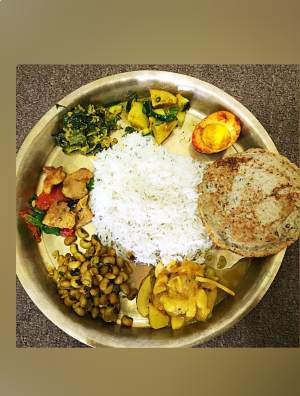
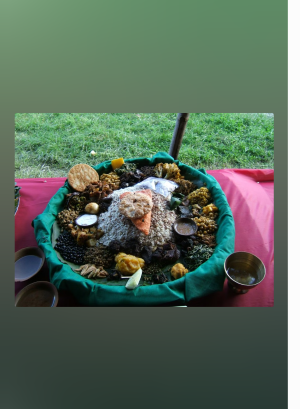
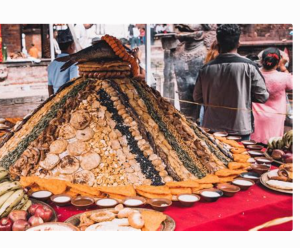
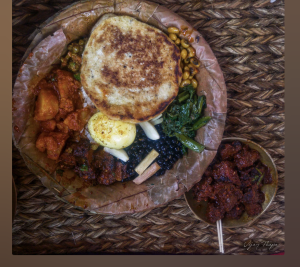
Samay Baji, a cornerstone of Newari cuisine, is more than just a meal—it’s a cultural experience that embodies the rich heritage of the Newar community in Nepal. This traditional feast is a harmonious blend of flavors, textures, and culinary artistry that has been passed down through generations. As we delve into the world of Samay Baji, prepare to embark on a gastronomic journey that will not only tantalize your taste buds but also provide insight into the heart of Newari culture and traditions.
The Essential Components of Samay Baji
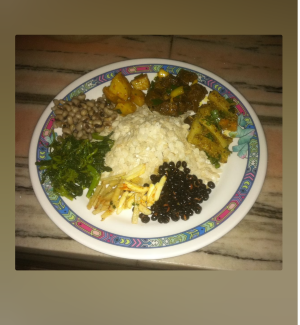
Baji (Beaten Rice)
The foundation of Samay Baji, beaten rice is a crispy, flattened rice that serves as the base for the other components. Its light texture and neutral flavor make it the perfect canvas for the rich flavors that accompany it.
Bhuti (Black Soybeans)
These roasted black soybeans add a crunchy texture and nutty flavor to the dish. They’re not only delicious but also packed with protein and essential nutrients.
Woh (Lentil Pancake)
A savory pancake made from black lentils, woh is crispy on the outside and soft on the inside. It’s often seasoned with ginger, garlic, and cumin, adding depth to the overall flavor profile.
The Art of Preparing Samay Baji
Preparation of Ingredients
The process begins with the careful selection and preparation of each component. Fresh ingredients are sourced, and items like black soybeans are roasted to perfection.
Cooking Individual Elements
Each element is cooked separately, with attention to traditional techniques. The woh is carefully fried, while meats are marinated and grilled to enhance their flavors.
Assembling the Platter
The final step involves artfully arranging all components on a traditional brass or banana leaf platter, creating a visually appealing and balanced presentation.
Cultural Significance of Samay Baji
Festive Celebrations
Samay Baji is an integral part of Newari festivals and ceremonies, symbolizing abundance and prosperity. It’s often served during important life events such as weddings, birthdays, and religious ceremonies.
Community Bonding
The shared experience of enjoying Samay Baji fosters a sense of community and togetherness among the Newari people, strengthening social bonds and preserving cultural identity.
Culinary Heritage
As a dish that has been passed down through generations, Samay Baji represents the rich culinary heritage of the Newari people, showcasing their creativity and resourcefulness in using local ingredients.
Health Benefits of Samay Baji
Component Health Benefit
Beaten Rice Low in fat, easily digestible, good source of carbohydrates
Black Soybeans High in protein, fiber, and antioxidants
Lentil Pancake Rich in plant-based protein and dietary fiber
Spices Anti-inflammatory properties, aid digestion
Variations and Regional Adaptations
Kathmandu Valley Style
In the heart of Nepal, Samay Baji often includes buffalo meat and is served with a side of aila (traditional rice wine). The platter is more elaborate, reflecting the urban influence.
Bhaktapur Variation
Known for its unique twist, Bhaktapur’s version often includes bara (black lentil patties) and may feature local specialties like juju dhau (sweet yogurt).
Patan’s Interpretation
Patan’s Samay Baji is noted for its inclusion of kwati (a mix of nine sprouted beans) during certain festivals, adding nutritional value and variety to the dish.
Modern Adaptations
Contemporary versions may include vegetarian or vegan options, catering to changing dietary preferences while maintaining the essence of the traditional dish.
Pairing Samay Baji with Traditional Beverages
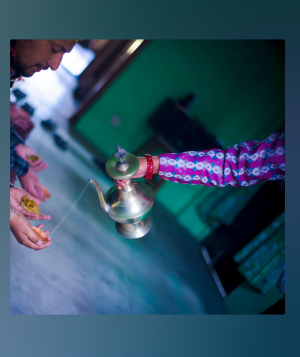
Aila (Rice Wine)
This potent traditional rice wine complements the flavors of Samay Baji perfectly. Its slightly sweet and strong taste helps cleanse the palate between bites.
Thon (Millet Beer)
A fermented millet beer that offers a refreshing contrast to the rich flavors of the feast. Its slightly sour taste pairs well with the savory components of Samay Baji.
Masala Tea
For those preferring non-alcoholic options, a spiced masala tea provides a warming and aromatic accompaniment to the meal, aiding digestion and enhancing the overall dining experience.
Preserving the Legacy of Samay Baji
Education
Culinary schools and community centers are incorporating Samay Baji preparation into their curriculum, ensuring that the knowledge and techniques are passed on to future generations.
Documentation
Food historians and cultural preservationists are meticulously documenting the recipes, preparation methods, and cultural significance of Samay Baji to create a comprehensive record for future reference.
Innovation
While respecting tradition, chefs are exploring new ways to present and adapt Samay Baji for modern palates, ensuring its relevance in contemporary Nepali cuisine.
Global Recognition
Efforts are being made to promote Samay Baji internationally, showcasing it as a unique aspect of Nepali culture and cuisine, thereby ensuring its place in the global culinary landscape.
This was generated with the help of AI. This technology is new and constantly improving. Please verify the accuracy before sharing.
Samay Baji: The Quintessential Newari Feast
KEYWORDS: Samay Baji Newari Newar Baji Bhuti Woh Kathmandu Bhaktapur Patan Aila Thon Masala Nepali
The scent of freshly made Pustakari drifts through the narrow streets, attracting locals and visitors alike. The sweet aroma of sugar bubbling with ghee and thickened milk (ricotta cheese) fills the air, creating a compelling temptation that is hard to resist. As vendors skillfully craft each piece, the rich flavors blend harmoniously, while the crunchy texture of coconut, dates, or nuts adds a delightful contrast. With every bite, a burst of sweetness dances on the taste buds, leaving a lingering essence of tradition and indulgence. In the bustling heart of Kathmandu Valley, Pustakari represents more than just candy—it symbolizes a cherished heritage passed down through generations, inviting everyone to savor a taste of Nepal’s culinary legacy.
Nestled in the heart of Nepal, Newari cuisine offers a tantalizing array of desserts that are as rich in flavor as they are in cultural significance. These sweet treats, passed down through generations, showcase the intricate balance of flavors and textures that define Newari culinary artistry. From the delicate sweetness of Lakhamari to the comforting warmth of Yomari, each dessert tells a story of tradition, celebration, and community. Join us on a mouthwatering journey through the world of authentic Newari desserts, where ancient recipes meet modern palates, and every bite is a testament to the enduring legacy of Newar culture.
Lakhamari: The Crown Jewel of Newari Sweets
Preparation
Begin by mixing flour, ghee, and sugar to create a rich, pliable dough. Let it rest for optimal texture.
Shaping
Skillfully shape the dough into intricate designs, often resembling flowers or geometric patterns.
Frying
Deep fry the shaped dough in ghee until golden brown, creating a crispy exterior and soft interior.
Garnishing
Drizzle with sugar syrup and optionally sprinkle with nuts for added flavor and texture.
Yomari: A Festive Delicacy
The Wrapper
Yomari’s outer layer is made from rice flour, steamed to perfection to create a soft, slightly chewy texture that encases the sweet filling.
The Filling
Traditional fillings include chaku (molasses) and khuwa (reduced milk solids), offering a rich, caramel-like sweetness that complements the rice wrapper.
Cultural Significance
Yomari is central to the Yomari Punhi festival, celebrating the end of the rice harvest and honoring the goddess of grain, Annapurna.
Juju Dhau: The King of Curds
Unique Ingredients
Made from buffalo milk, which gives it a distinctively rich and creamy texture unmatched by regular yogurt.
Traditional Preparation
Fermented in clay pots, which not only imparts a subtle earthy flavor but also helps maintain the ideal temperature for fermentation.
Cultural Importance
Often served during festivals and special occasions, symbolizing purity and auspiciousness in Newari culture.
Serving Suggestions
Typically enjoyed chilled, sometimes garnished with fruits or nuts for added texture and flavor complexity.
Puri: Crispy Pockets of Sweetness
Flour Base
Made with a mixture of all-purpose flour and semolina for the perfect crispy texture.
Sweet Filling
Stuffed with a delectable mixture of khoya (milk solids) and sugar, sometimes flavored with cardamom.
Deep Fried
Fried to golden perfection in ghee, creating a crispy exterior that contrasts beautifully with the soft, sweet interior.
Final Touch
Often dusted with powdered sugar for an extra touch of sweetness and visual appeal.
Dahi Chiura: A Simple Yet Satisfying Treat
Ingredient
Preparation
Cultural Significance
Dahi (Yogurt)
Homemade, creamy
Symbol of purity
Chiura (Beaten Rice)
Lightly roasted
Staple in Newari cuisine
Sugar or Honey
Added to taste
Natural sweetener
Fruits (Optional)
Fresh, seasonal
Adds nutritional value
Khuwa Puri: Milk-Based Delight
Rich Khuwa Filling
The star of this dessert is khuwa, milk solids cooked down to a thick, caramel-like consistency, offering a deeply satisfying sweetness.
Delicate Pastry Shell
The khuwa is encased in a thin, crispy pastry shell, creating a delightful textural contrast that makes each bite a joy.
Aromatic Spices
Often flavored with cardamom and sometimes garnished with pistachios or almonds, adding layers of flavor and aroma to the dessert.
Festive Favorite
Khuwa Puri is a popular choice during festivals and celebrations, symbolizing the sweetness of life and community bonds.
Dhau Puri: Yogurt-Filled Pastry Puffs
Prepare the Dough
Create a delicate pastry dough using all-purpose flour, ghee, and a pinch of salt. Let it rest to develop gluten for the perfect texture.
Make the Filling
Prepare a sweet yogurt filling by mixing thick, strained yogurt with sugar and cardamom powder for flavor.
Shape and Fill
Roll out small circles of dough, place a dollop of the yogurt mixture in the center, and carefully seal to create small pockets.
Fry to Perfection
Deep fry the filled pastries in hot oil until golden brown and crispy. Drain excess oil and serve warm for the best experience.
Chatamari: Sweet Variation of a Savory Classic
The Base
A thin, crispy rice flour crepe forms the foundation of this versatile dish, traditionally savory but delightful in its sweet incarnation.
Sweet Toppings
For the dessert version, the crepe is topped with a mixture of jaggery or sugar, fresh fruits like bananas or strawberries, and sometimes a drizzle of condensed milk.
Cultural Fusion
This sweet adaptation of Chatamari showcases the innovative spirit of Newari cuisine, blending traditional techniques with modern tastes.
Preserving Newari Dessert Traditions
Past
Newari desserts were closely guarded secrets, passed down orally within families and communities, ensuring the preservation of authentic flavors and techniques.
Present
Today, there’s a growing interest in documenting and sharing these recipes, with cookbooks and online resources making Newari desserts more accessible to a global audience.
Future
Efforts are being made to adapt traditional recipes for modern kitchens while maintaining their authenticity, ensuring that future generations can continue to enjoy and appreciate these culinary treasures.
This was generated with the help of AI. This technology is new and constantly improving. Please verify the accuracy before sharing.
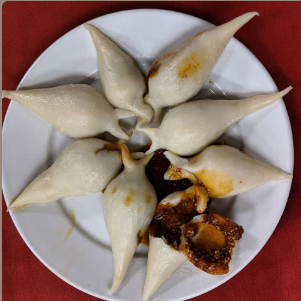
Yomari, a sacred dumpling of profound cultural significance, stands as a culinary emblem of the Newar community in Nepal. This cone-shaped delicacy, crafted from rice flour and filled with sweet or savory ingredients, is not merely a food item but a representation of centuries-old traditions and spiritual beliefs. Originating in the Kathmandu Valley, Yomari has transcended its role as a simple dish to become a central figure in Newari festivals and religious ceremonies, particularly during the winter months.
The intricate preparation and unique shape of Yomari symbolize the coming together of skill, devotion, and cultural heritage. As we delve deeper into the world of this extraordinary dumpling, we’ll uncover its rich history, cultural importance, and the meticulous artistry involved in its creation.
The Origins and Cultural Significance of Yomari
Ancient Origins
Yomari’s history dates back to ancient times in the Kathmandu Valley, with its exact origins shrouded in legend and myth.
Religious Integration
Over centuries, Yomari became integrated into Hindu and Buddhist practices, symbolizing prosperity and good fortune.
Festival Centerpiece
The dumpling evolved into the star of Yomari Punhi, a winter solstice festival celebrating the end of the rice harvest.
Modern Cultural Icon
Today, Yomari remains a beloved symbol of Newari culture, celebrated both within Nepal and by the global Newar diaspora.
The Art of Crafting Yomari
Dough Preparation
Rice flour is mixed with water to create a soft, pliable dough that will form the outer shell of the Yomari.
Filling Creation
Traditional sweet fillings like chaku (molasses) and khuwa (reduced milk) or savory options such as meat and lentils are prepared.
Shaping the Dumpling
The dough is expertly shaped into a cone, filled, and then sealed with intricate folds to create the distinctive fish-tail pattern.
Steaming to Perfection
The shaped Yomari are carefully steamed until the dough becomes translucent and the filling is heated through.
Yomari Varieties: Sweet and Savory Delights
Sweet Yomari
The most traditional and popular variety, sweet Yomari is typically filled with chaku (molasses) and sesame seeds. This combination creates a rich, caramel-like flavor that’s both comforting and indulgent. Another beloved sweet filling is khuwa, a type of reduced milk solids, often mixed with coconut for added texture and flavor.
Savory Yomari
While less common, savory Yomari offer a delicious alternative. These can be filled with spiced ground meat, typically buffalo or chicken, mixed with aromatic herbs and spices. Vegetarian options include lentil fillings seasoned with cumin, garlic, and ginger, providing a hearty and satisfying taste.
Modern Innovations
Contemporary Newar chefs have begun experimenting with new Yomari fillings, including chocolate, fruit preserves, and even fusion flavors that blend traditional Newari tastes with international cuisines. These innovations keep the tradition alive while appealing to younger generations and global palates.
The Yomari Punhi Festival: A Celebration of Harvest
Timing and Significance
Yomari Punhi takes place on the full moon day of December, marking the end of the rice harvest season. It’s a time of thanksgiving to the gods for a bountiful crop and a prayer for prosperity in the coming year.
Rituals and Offerings
Families prepare Yomari as an offering to Annapurna, the goddess of grains. The first Yomari is traditionally offered to the gods before being shared among family members and guests.
Community Celebrations
The festival brings communities together, with neighbors sharing Yomari and participating in traditional dances and songs. It’s a time of joy, gratitude, and reinforcing social bonds.
Cultural Preservation
Yomari Punhi plays a crucial role in preserving Newari culture, passing down culinary traditions and cultural values from one generation to the next.
Yomari in Newar Mythology and Folklore
The Divine Origin
According to legend, Yomari was first created by a couple who offered it to a deity disguised as a beggar. Pleased with the offering, the deity blessed the couple and their village with prosperity, establishing Yomari as a sacred food.
Symbol of Fertility
The shape of Yomari is often associated with fertility symbols in Newar culture. Its cone-like form is said to represent the union of male and female energies, making it a popular offering during marriage ceremonies.
Harbinger of Good Fortune
Newar folklore suggests that the consumption of Yomari during Yomari Punhi brings good luck and financial success in the coming year. Many businesses choose this auspicious time to start new ventures.
Connection to Nature
The fish-tail design of Yomari is believed to symbolize the connection between humans and nature, particularly the rivers that sustain the Kathmandu Valley’s agriculture.
Nutritional Value and Health Benefits of Yomari
Nutrient
Amount per Serving
Health Benefit
Carbohydrates
High
Energy source
Protein
Moderate
Muscle building
Iron
Moderate
Blood health
Calcium
Low to Moderate
Bone strength
Fiber
Low to Moderate
Digestive health
Yomari Beyond Borders: Global Recognition and Adaptation
International Exposure
As Nepalese cuisine gains global recognition, Yomari is finding its way onto international menus and food festivals, introducing this unique dumpling to food enthusiasts worldwide.
Fusion Creations
Innovative chefs are experimenting with Yomari, creating fusion versions that blend traditional Newari flavors with international cuisines, appealing to a diverse palate.
Cultural Preservation
Newar communities in diaspora use Yomari as a means to maintain their cultural identity and pass on traditions to younger generations born outside Nepal.
Culinary Tourism
Yomari-making classes and food tours in Nepal are attracting tourists interested in experiencing authentic Newari culture through its iconic cuisine.
The Future of Yomari: Preservation and Innovation
Traditional Preservation
Efforts to document and preserve traditional Yomari recipes and techniques ensure that the authentic version of this cultural icon remains alive for future generations.
Culinary Innovation
Young Newar chefs are reimagining Yomari with new flavors and presentations, keeping the dish relevant in the modern culinary landscape while respecting its cultural roots.
Sustainable Practices
There’s a growing focus on using locally-sourced, organic ingredients for Yomari, aligning this traditional food with contemporary sustainability concerns.
Global Recognition
Efforts are underway to gain UNESCO Intangible Cultural Heritage status for Yomari and its associated traditions, which would bring global attention to this unique aspect of Newar culture.
Yomari: A Taste of Newar Heritage
Culinary Artistry
The intricate shape and delicate texture of Yomari showcase the culinary expertise passed down through generations of Newar families, representing a living tradition of food as art.
Spiritual Nourishment
Beyond its role as food, Yomari serves as a spiritual offering, bridging the material and divine worlds in Newar culture, and symbolizing the community’s deep connection to their faith and traditions.
Cultural Ambassador
As Yomari gains recognition beyond Nepal’s borders, it serves as a delicious ambassador of Newar culture, inviting people from around the world to experience the rich heritage and flavors of this unique community.
 The Essential Components of Samay Baji
 The Art of Preparing Samay Baji
 Cultural Significance of Samay Baji
 Health Benefits of Samay Baji
 Variations and Regional Adaptations
 Pairing Samay Baji with Traditional Beverages